
ICT
GSMA report faults NCC’s 31% broadband penetration

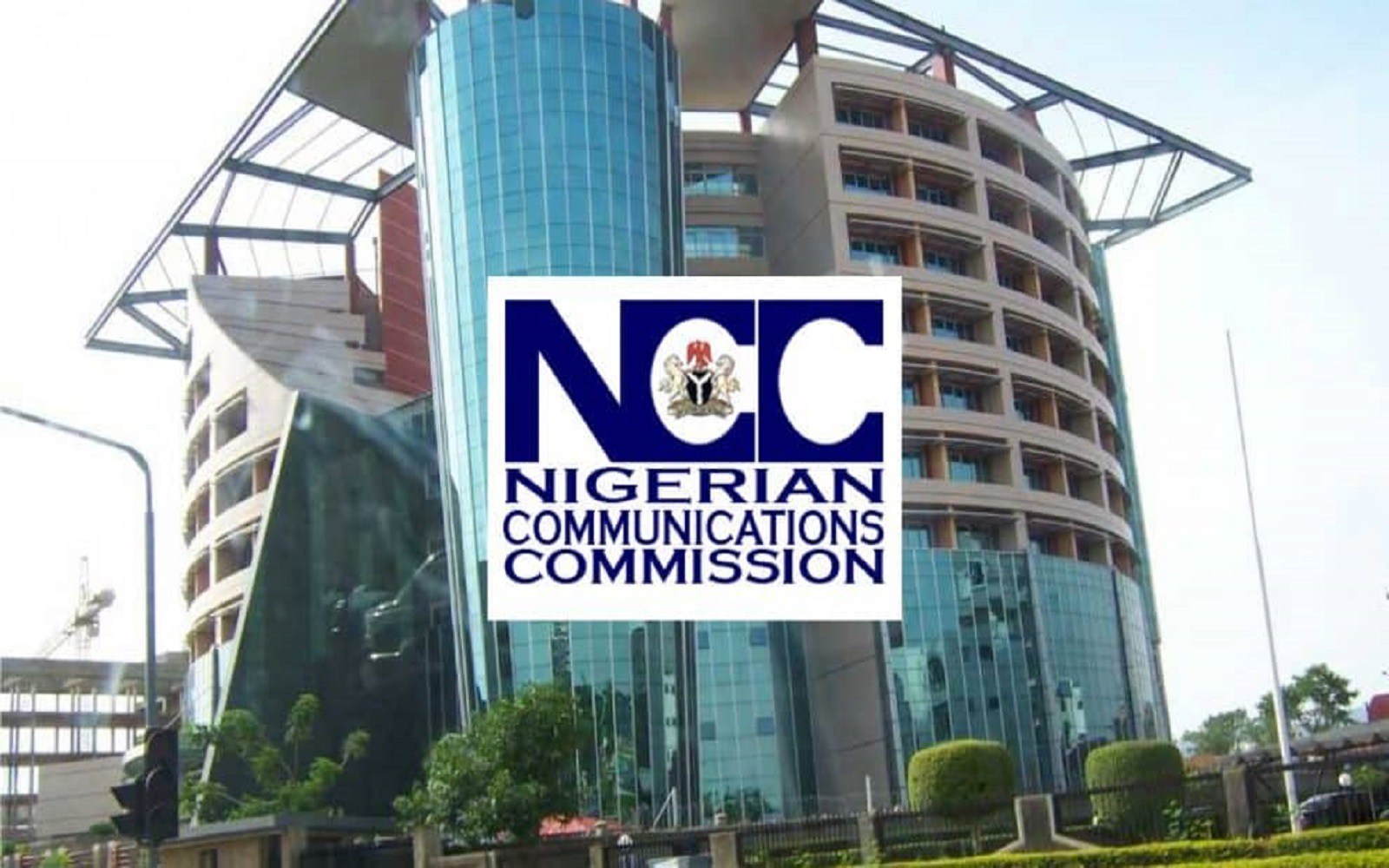
The latest GSMA report on Nigeria has faulted the figures rolled out by the Nigerian Communications Commission (NCC) earlier in January on Nigeria’s achievement of 30.9% broadband penetration.
Following stakeholders’ queries over its claims that Nigeria had surpassed its 30 per cent set target in the National Broadband Plan (NBP) 2013-2018 of broadband penetration by December 2018, NCC in January made some documents available to journalists arguing that in November 2018, there were 168,729,005 mobile “GSM” subscribers in the country, of which 108,457,051 were subscribed to Internet access services provided by the major operators.
NCC noted that “In terms of broadband services, a total of 58,965,478 connected to the Internet through 3G and 4G networks (including those provided by the LTE-only service providers such as Smile and nTel),” it added.
NCC disclosed that this distinction was critical because Nigerians predominantly rely on mobile networks for Internet access, including broadband networks since the fixed broadband access, which would have been led by NITEL, is now non-existent.
It explained that broadband penetration is typically measured by the percentage of total population with access to broadband networks out of every hundred, arguing further that “So, if we take the total active broadband subscription figure of 58,965,478 and divide it by a population of 190,886,311 (using United Nations (UN’s) projection of December 2017), that comes to 30.9 per cent penetration.”
NCC therefore ruled that its assertion that Nigeria attained 30.9 per cent broadband penetration was logical and supported by available data in its custody.
However, in what can best be seen as a marked difference, GSMA Mobile Economy West Africa 2019 report released recently said only 29 per cent of the Nigerian population were mobile Internet users.
The report further put the mobile Internet gap in the country at 30 per cent, and averred that about 41 per cent of the Nigerian population had access to mobile network broadband but didn’t subscribe to mobile Internet services.
This particular aspect of the GSMA report also created some levels of doubts on the January claims of NCC which noted that “in November 2018, there were 168,729,005 mobile “GSM” subscribers in the country, of which 108,457,051 were subscribed to Internet access services provided by the major operators.”
This is because 108,457,051 out of 168,729,005 cannot be 41%.
Also the new GSMA report said at the end of 2018 in West Africa, there were around 100 million mobile Internet users in the region, representing an increase of 19 million over the previous year when NCC report claimed that only Nigeria had over 100 million internet subscribers within the period under review excluding other West African states.


-
 Latest1 week ago
Israel marks 3 years since October 7 Hamas attack amid Gaza strikes, election debate
-

 Energy1 week ago
Fuel Battle: Dangote, marketers and government clash over petrol imports
-

 Latest2 days ago
Full List: Meet the 2026 Nobel Prize winners across six categories
-
 Featured6 days ago
103 Million Voters: What does INEC’s new register say about Nigeria’s population?
-

 Business1 week ago
Nigerian startup 3650HQ moves to cut rising WhatsApp costs for businesses
-

 Football2 days ago
Premier League Matchweek 7: Five Fixtures That Could Shape the Weekend
-

 Business7 days ago
The Ministry of Commerce of Loveworld gets a $1 million boost for new investment fund at LTIF 2026 to promote Trade in Ghana
-

 Features7 days ago
Edo’s 2.5 million vote promise: Can the numbers match the politics?