
Latest
From COVID vaccines to Neuralink: Inside Dr. Stella Immanuel’s population-control warning

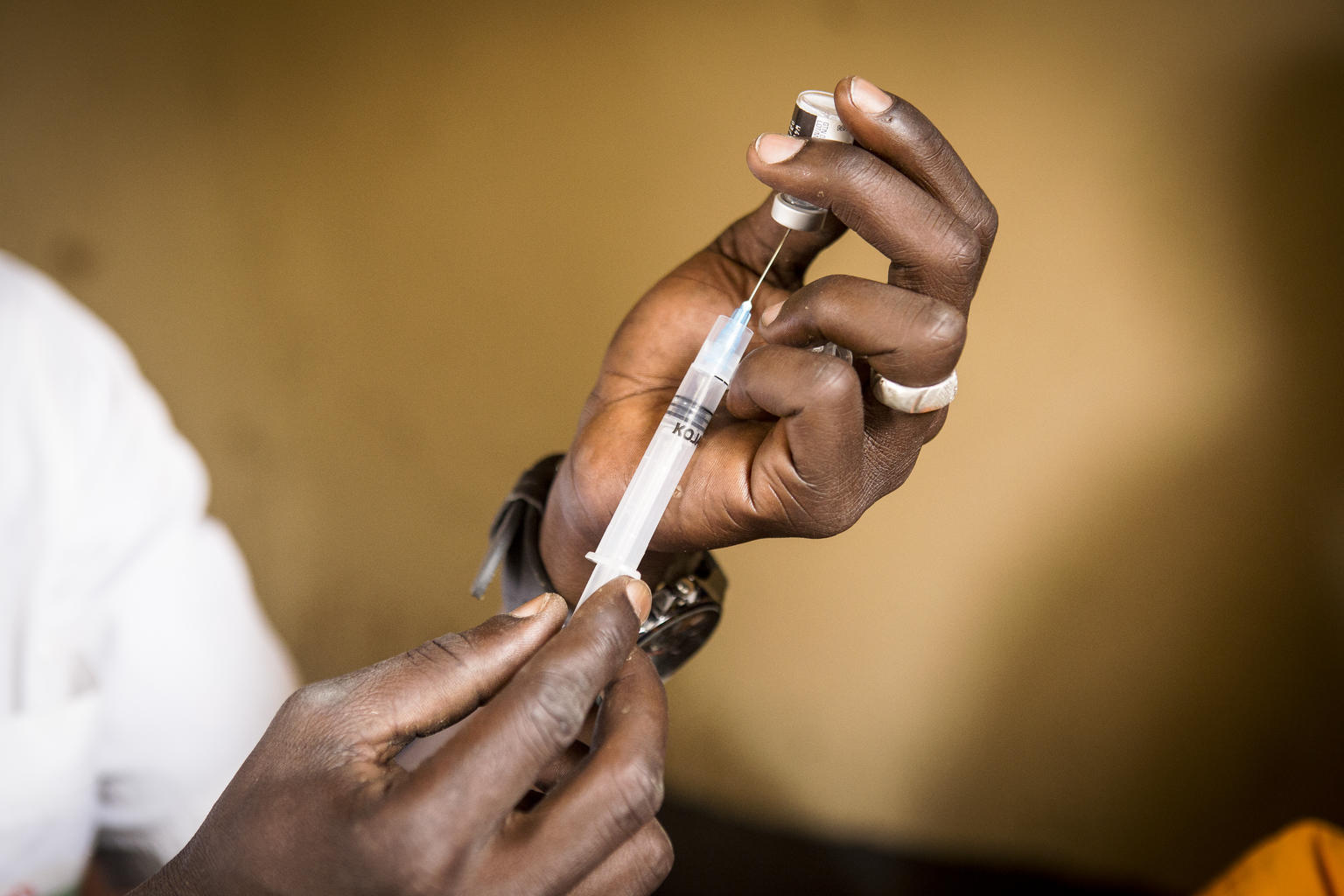
The COVID-19 pandemic triggered one of the most consequential public-health campaigns in modern history—but it also produced a parallel wave of warnings that the vaccination drive was connected to a much broader agenda involving surveillance, artificial intelligence, human modification and population control.
Among the most prominent voices was Dr. Stella Immanuel, a Nigerian-trained physician based in Houston, Texas, who gained national attention in the United States in July 2020 after appearing at a press conference with members of America’s Frontline Doctors.
In statements circulated online, Immanuel connected COVID-19 vaccines with developments in artificial intelligence, brain-computer interfaces, robotics and digital surveillance. Her argument is built around the warning that technological advances could eventually give governments or powerful institutions unprecedented access to human biology, thoughts and behaviour.
Immanuel has repeatedly cited Musk’s public discussion of Neuralink as evidence of where she believes the convergence between humans and machines could ultimately lead.
Musk has publicly described Neuralink as a brain-computer interface company developing technology intended to allow people to interact with computers and other devices through neural signals.
READ ALSO; Trump orders major overhaul of US childhood vaccine recommendations
Immanuel takes the discussion further, warning that the technology could eventually influence or access fundamental aspects of human existence.
She has referred to the possibility of technology interacting with the brain’s limbic system and cortex, areas associated with emotions and higher cognitive functions.
She has also discussed Musk’s claims about the possibility of eventually preserving or transferring aspects of human memory, presenting the prospect as an attempt to achieve a form of technological longevity.
For Immanuel, the implications extend beyond medical treatment. She argues that a future in which human brains can be connected to machines could create unprecedented possibilities for surveillance and control.
From brain chips to COVID vaccines
Immanuel has also connected these concerns to the COVID-19 vaccination campaign.
Her argument is that the pandemic demonstrated how quickly populations could accept new forms of medical and technological intervention, including technologies that ordinary citizens previously might have regarded with suspicion.
She has described COVID-19 as a period during which surveillance and technology moved closer to the human body, while raising concerns about the possibility that future technological systems could be used to monitor or manipulate individuals.
Immanuel has also invoked the writings of historian and author Yuval Noah Harari, particularly his description of humans as potentially “hackable animals.”
Harari has written about the implications of biotechnology, artificial intelligence and large-scale data collection, including the possibility that increasingly sophisticated technologies could predict or influence human decisions.
Immanuel interprets these ideas as a warning about the vulnerability of humanity to technological manipulation.
Her argument is that if human biology, emotions and cognitive processes can increasingly be measured and understood through technology, powerful institutions could potentially acquire unprecedented influence over individuals.
Immanuel also argued that technologies that can already communicate with people or perform tasks autonomously demonstrate how machines are increasingly being given capabilities once associated exclusively with human beings.
She used examples ranging from smart household appliances and vehicles to advanced robots and artificial intelligence to support her broader warning about a future in which technology becomes increasingly integrated into everyday human existence.
The DNA controversy
Immanuel’s wider claims have also included assertions that COVID-19 vaccination could alter human biology at a fundamental level.
This has contributed to a broader online narrative that mRNA vaccines could permanently change human DNA.
In her discussions, she has connected technological developments—including digital identification, artificial intelligence, robotics and the increasing digitisation of financial systems—to biblical references concerning the “mark of the beast.”
She argued that increasingly digitalised systems could eventually make it easier to introduce identification or payment technologies directly into the human body.
She has also said that a major disruptive event could potentially be used to pressure populations into accepting technologies they would otherwise reject


-
 Latest1 week ago
Israel marks 3 years since October 7 Hamas attack amid Gaza strikes, election debate
-

 Energy7 days ago
Fuel Battle: Dangote, marketers and government clash over petrol imports
-

 Latest2 days ago
Full List: Meet the 2026 Nobel Prize winners across six categories
-

 Football1 week ago
Nigeria’s World Cup exit under spotlight as FIFA’s DR Congo files emerge
-

 Latest1 week ago
US Court set to rule on release of FBI, DEA records on Tinubu
-

 Business1 week ago
Nigerian investors at a crossroads as fixed-income yields slide
-
 Featured6 days ago
103 Million Voters: What does INEC’s new register say about Nigeria’s population?
-

 Latest1 week ago
Oyo APC crisis deepens as Oluyole reconciliation meeting ends in brawl