
Health
Monkeypox: Symptoms, Prevention, and Treatment

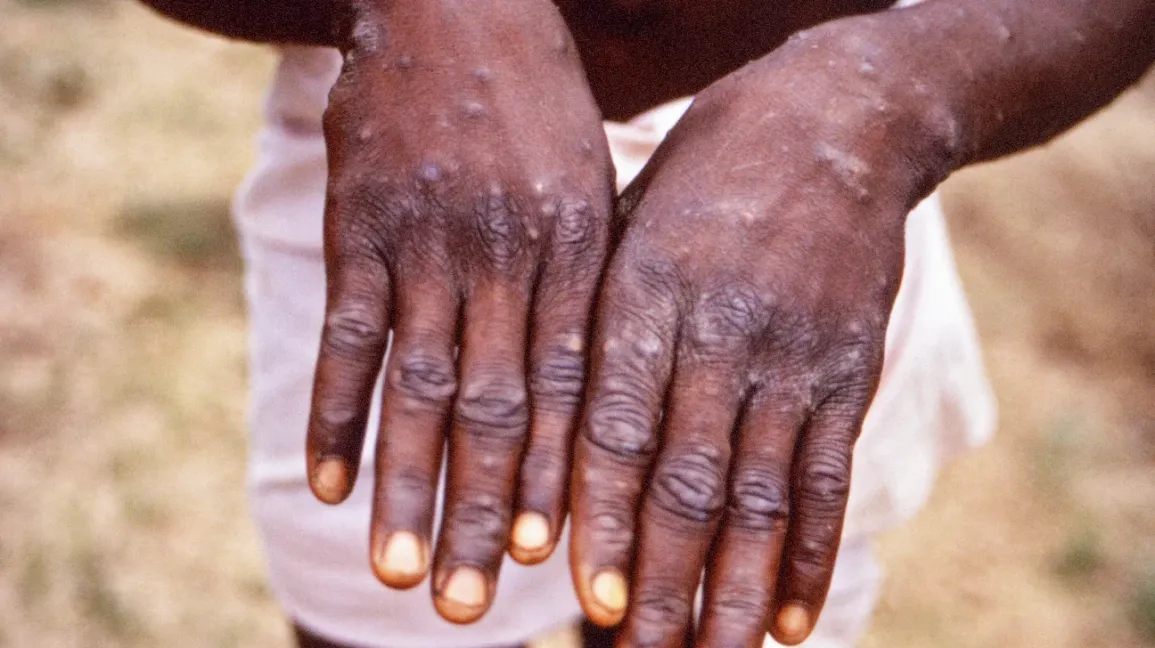
Monkeypox, an infectious disease caused by the monkeypox virus, is spreading globally, including within the United States.
The virus primarily spreads through close contact with an infected person but can also be transmitted from infected animals.
The current outbreak involves the West African strain, which causes milder symptoms than the Central African strain and is rarely fatal.
How Monkeypox Spreads
Monkeypox spreads through:
Direct contact with bodily fluids, sores, scabs, or respiratory droplets from an infected person. This includes activities like kissing, cuddling, or sex.
READ ALSO: Monkey Pox: Going to Akwa Ibom? Read this
Contact with contaminated materials, such as clothing or bedding.
Scratches or bites from infected animals, or contact with an infected animal’s blood or bodily fluids.
Symptoms of Monkeypox
Symptoms typically appear 1 to 2 weeks after exposure and include:
Flu-like symptoms: chills, fever, exhaustion, headache, muscle aches, swollen lymph nodes.
A rash that resembles pimples or blisters, which can appear on the face, mouth, hands, feet, chest, genitals, or anus. The rash progresses through stages before healing completely.
The illness usually lasts 2 to 4 weeks.
When to Seek Medical Care
Fever, aches, or swollen lymph nodes.
A new rash or sores.
READ ALSO: Monkey pox: Nigerians advised to avoid eating of Monkeys, bushmeat
Close contact with someone infected with monkeypox.
Seek emergency care if you experience:
A stiff neck, chest pain, confusion, difficulty speaking, seizures, or trouble breathing.
Prevention and Vaccination
To prevent monkeypox:
Avoid close contact with infected individuals or materials they have used.
Clean high-touch surfaces and wash hands frequently.
If close contact is necessary, wear a mask.
Vaccines such as JYNNEOS and ACAM2000 are available to prevent infection, especially for those exposed or at high risk. The supply of these vaccines is currently limited.
Diagnosis and Treatment
Monkeypox is diagnosed through PCR testing of a swab from a skin lesion. Most people recover without treatment in 2 to 4 weeks, but relief measures include hydration, rest, oatmeal baths, and over-the-counter pain relievers. Antiviral treatments for smallpox may also be used in severe cases.


-

 Latest6 days ago
Full List: Meet the 2026 Nobel Prize winners across six categories
-

 Football5 days ago
Premier League Matchweek 7: Five Fixtures That Could Shape the Weekend
-

 Latest5 days ago
Umahi defends Lagos-Calabar highway route changes amid public outcry
-

 Business4 days ago
Dangote Refinery IPO: 70% Subscription claim meets fourfold demand assertion as investors seek clarity
-
Business5 days ago
Dangote Refinery IPO Extension: Was the 70% subscription report overhyped?
-

 Latest3 days ago
UCTH faces morgue crisis as 50 unclaimed corpses await mass burial
-

 Featured5 days ago
El-Rufai, ADC governorship candidate’s court appearance puts Kaduna opposition politics in focus
-

 Business3 days ago
BREAKING: Nigeria’s Inflation Rate Drops to 14.63% in September