
Business
Nigeria disagrees with 44 African nations on free trade pact

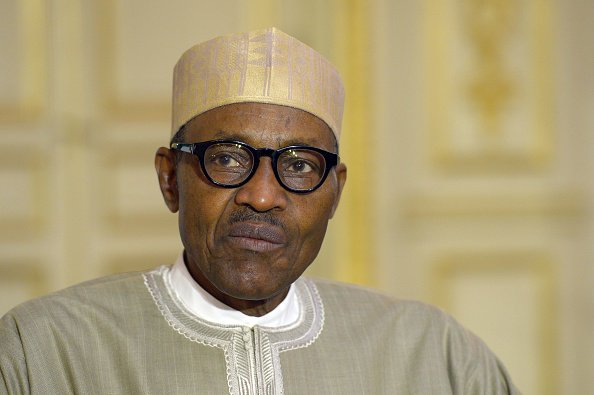
Nigeria, one of Africa’s largest markets was conspicuously absent at the signing of an agreement establishing a free trade area by 44 African countries in Kigali, Rwanda on Wednesday.
The creation of a free trade area — billed as the world’s largest — comes after two years of negotiations, and is one of the AU’s flagship projects for greater African integration.
However, the agreement will still have to be ratified at a national level, and is only due to come into force in 180 days.
President Muhammadu Buhari pulled out of this week’s launch in Rwanda saying he needed more time for consultations at home.
Nigeria, one of Africa’s largest markets, hesitated after objections from business leaders and unions — a sign that getting the deal through scores of national parliaments may face several hurdles.
“Some countries have reservations and have not finalised their national consultations. But we shall have another summit in Mauritania in July where we expect countries with reservations to also sign,” said Albert Muchanga, the AU Commissioner for Trade and Industry.
President Cyril Ramaphosa has welcomed the adoption by the African Union of an agreement of free trade on the continent as “a new beginning for the continent that will catapult African countries and companies to much higher levels of growth.”
The Agreement on the African Continental Free Trade Area (AfCFTA) should provide new and meaningful trade and investment opportunities across the African continent.
Africa is now hoping it can achieve the same in a fraction of the time. But with Nigeria pulling out, questions are being raised over just how achievable it really is.
The vision is a free trade deal encompassing 1.2 billion people stretching from Cape Town to Cairo.
Goods, services and perhaps labour, flowing freely in and out of more than 50 African countries. It could create tens of thousands of jobs and significantly reduce unemployment among the continent’s youthful population.
It’ll boost trade between African countries and would be instrumental in moving the whole continent away from the narrative of simply being.

Continue Reading


-
 Featured5 days ago
Inside INEC’s race to prepare for Nigeria’s 2027 elections
-
 Featured5 days ago
2027: APC unveils nationwide campaign timetable, Tinubu to rally in 12 states
-

 Latest1 week ago
UCTH faces morgue crisis as 50 unclaimed corpses await mass burial
-
 Business7 days ago
President Tinubu and the Low Transport Fares Fiasco
-
 Business1 week ago
BREAKING: Nigeria’s Inflation Rate Drops to 14.63% in September
-
 Latest7 days ago
Global excitement builds as Healing Streams Live Services returns October 23
-
 Business6 days ago
Court dismisses ₦170m Trade Fair contract claim, says Zenith Bank was not a party
-
 Business3 days ago
Naira faces exchange rate gap as Dollar hits N1,380 on parallel market