
Featured
Nigerian govt signs Chinese loans documents in Mandarin

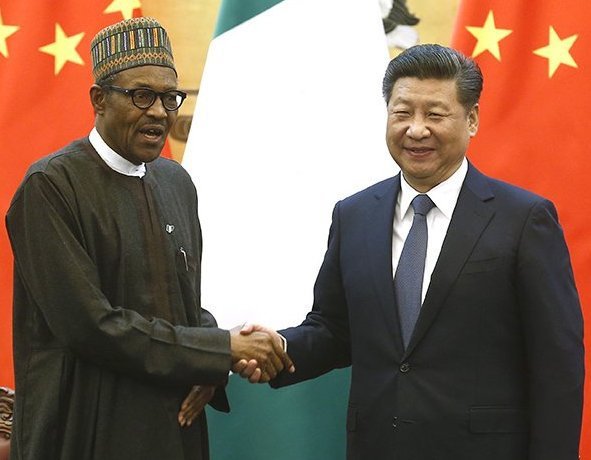
The China Civil Engineering Construction Company appears the major Chinese multinational China is using to dip Nigeria up to its eyeball in debt. And the manner of lending seems stacked against Nigeria.
According to a member representing Ethiope Federal Constituency in Delta State at the House of Representatives, some Nigerian officials signed loan documents from China in written Chinese language.
Ben Ibakpa said this Thursday during an interview on Channels Television’s Sunrise Daily programme.
He said the National Assembly knows nothing about these processes.
“The National Assembly is not part of it. Even the Bureau for Public Procurement is not aware of these loans,’ he said.
“These loans are collected via the China Civil Engineering Construction Corporation (CCECC). They bring a bill, the Federal executive approves the bill.”
Ibakpa noted Nigerian officials do not look into loan documents critically before signing.
“Some of these agreements that are signed, they come in Chinese language,” he said.
“From what we have seen from other countries, the Chinese loans are overpriced and these people are very corrupt.”
Chinese is the main lender to many developing countries, especially in Africa.


-

 Featured4 days ago
BREAKING NEWS: Shouts of joy rock the world as Pastor Chris opens final Healing Streams edition for 2026
-

 Football5 days ago
Man United shortlist Emery, Nagelsmann as potential replacements for Carrick
-

 Business4 days ago
Hoodlums raid JED Benue office, abduct 10 staff over power dispute
-

 Football5 days ago
Aston Villa ready to freeze out Garnacho to avoid £43m Chelsea transfer
-
 Business1 week ago
Naira faces exchange rate gap as Dollar hits N1,380 on parallel market
-

 Latest4 days ago
Akpabio tasks Tompolo-backed movement with spreading Tinubu’s renewed hope message
-

 Business5 days ago
EV adoption: Roxettes seeks cheaper financing, local manufacturing incentives
-

 Business3 days ago
How Ethiopian Airlines is challenging Africa’s aviation narrative through self-reliance