
Business
Nigeria’s global rating at risk over rising debt, says Fitch

Nigeria faces another downgrade in its global rating following a sharp rise in its sovereign debt and a growing finance gap, says one of the world’s biggest rating agencies, Fitch Ratings.
The Federal Government has been under increasing pressure to reduce its debt and stimulate growth after its first quarter current account turned negative, with an overvalued local currency.
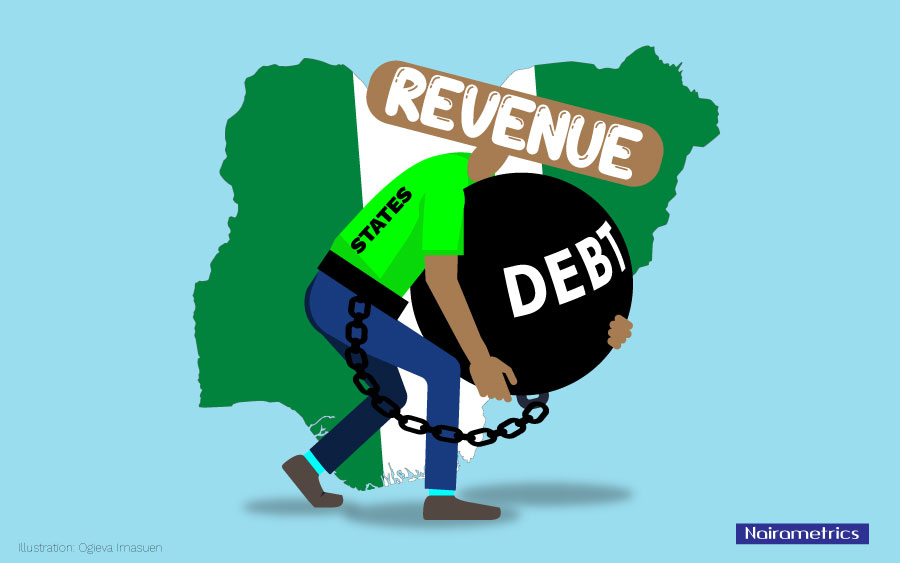
In its latest report, Fitch Ratings said Nigeria’s rising debt profile coupled with the country’s declining revenue could trigger a rating downgrade, as policymakers in Nigeria struggle to deal with the impact of the low oil prices and sharp drop in revenue, caused by the coronavirus pandemic.
Fitch, had estimated that Nigeria would need $23 billion to meet its external financing needs this year. This might take the country’s external reserve lower, especially following the stopping of the plans for the country to issue Eurobonds.
Recall that Fitch Ratings had in April downgraded Nigeria’s Long Term Foreign Currency Issuer Default Rating (IDR) to ‘B’ from ‘B+’ with a negative outlook.
The downgrade and negative outlook in April, reflects the aggravation of ongoing pressures on Nigeria’s external finances following the recent crash of oil prices and the shock due to the coronavirus pandemic.
According to Director at Fitch, Mahmoud Harb, “We have two elements that could lead us to take a negative rating action/downgrade on Nigeria. Aggravation of external liquidity pressures and a sharp rise in government debt to revenue ratio.”
The report notes that Nigeria’s external reserve is larger than the funding needs, however, external liquidity strains could increase if foreign investors sell down their portfolio investments in the country, putting pressure on ratings.
Harb said that the debt to revenue ratio for Nigeria is set to deteriorate further to 538% by the end of 2020, from 348% that it was a year earlier before improving slightly next year. The medium debt ratio of ‘B’ rated countries is 350%. He also pointed out that the country’s external reserve could drop to $23.3 billion from $36 billion this year if access to foreign exchange is normalized.
He said that Nigeria could avoid a ratings downgrade if it improves its finances, reforms its foreign exchange policy and reduce its deficit by boosting non-oil revenues. However, the borrowing trend by the country seems to continue, with plans by the Federal Government to borrow another $3 billion from the World Bank.










-

 Latest7 days ago
US Immigration fees rise from October 16 as USCIS announces new charges
-
 Latest2 days ago
Israel marks 3 years since October 7 Hamas attack amid Gaza strikes, election debate
-

 Business6 days ago
Nigeria’s $55bn reserves raise fresh questions over naira value
-

 Health6 days ago
Florida sues Pfizer over deceptive COVID-19 vaccine marketing
-

 Business1 week ago
Tuoyo Erikowa wins digital marketing personality of the Year at 2026 EDGE awards
-

 Crime6 days ago
From camp to captivity: How kidnappers now target NYSC Corps members on highways
-

 Featured7 days ago
2027: Can Nigeria’s opposition still unite behind a single presidential candidate?
-

 Crime6 days ago
Fulani Militia leader linked to Christian killings arrested in Plateau