
Business
Nigeria spends $3.07bn to service external debts in 10 months

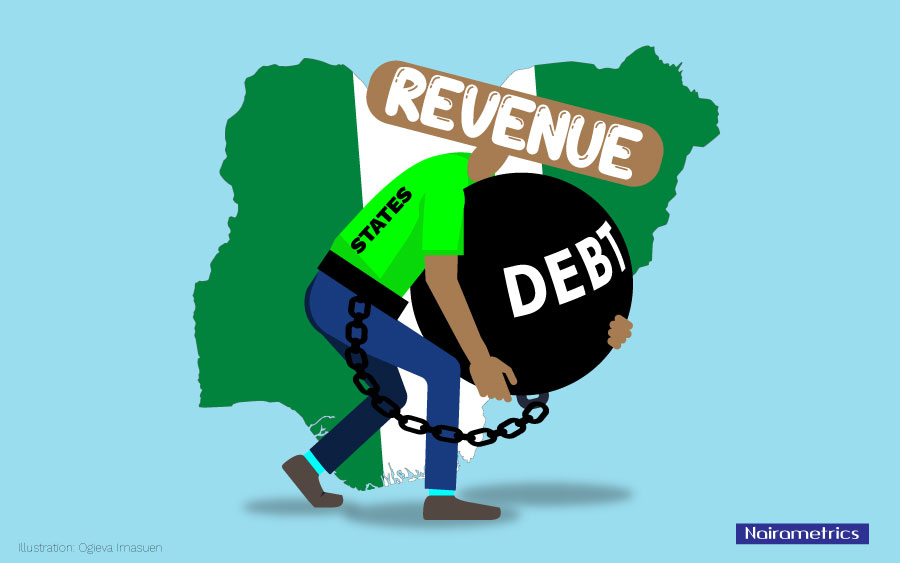
A total of $3.07 billion, out of the $6.11 billion dollar inflows into Nigeria, representing 50 per cent of Nigeria’s dollar payments, was used to service the country’s external debt between January and October 2023.
This figure represents a hefty slice of the nation’s financial resources and indicates a significant increase of $850.42 million, or 38 per cent higher than the $2.22 billion expended in 2022.
According to data from the Central Bank of Nigeria (CBN), $112.35 million was paid to service external debt in January; $288.54 million in February; $400.47 million in March; $92.85 million for April; $221.05 million in May; $54.36 million for June; $641.69 million in July; $309.96 million in August; $439.06 million in September and $509.73 million in October.
These figures collectively account for the $3.07 billion spent on foreign debt service and are 38 per cent higher than the $2.22 billion it spent in the corresponding period of 2022, highlighting a persistent strain on Nigeria’s foreign exchange resources.
Direct remittance gulped $1.91 billion out of the $6.11 billion recorded between January and October 2023. This is about 31 per cent of the foreign payments made within the period.
READ ALSO: New governors slash domestic debt by over N111 billion in three months
Also, it is a slight decrease of about 1 per cent from the $1.93 billion recorded in the same period in 2022.
Letters of credit made up 19 per cent of the dollar payments made within the period under review, gulping $1.14 billion. This is a decrease of about 7 per cent from the $1.23 billion recorded in 2022.
Nigeria spent about 277.64 per cent more servicing its external debt in the third quarter of 2023, according to the latest data from the Debt Management Office (DMO).
The DMO in a statement said that external debt decreased due to the redemption of a $500 million Eurobond and payment of $413.859 million as the first principal repayment of the $3.4 billion loan obtained from the International Monetary Fund (IMF) in 2020 during Covid-19.
In its 2022 Debt Sustainability Analysis Report, the DMO warned the projected government’s debt service-to-revenue ratio of 73.5 per cent for 2023 was high and a threat to debt sustainability.
It noted that the government’s current revenue profile could not support higher levels of borrowing.
In a recent statement, the World Bank expressed deep concern over the escalating debt service costs that are burdening developing countries worldwide. Indermit Gill, the World Bank’s Chief Economist, and Senior Vice President, emphasized the gravity of the situation, highlighting the potential for a widespread financial crisis if immediate and coordinated actions are not taken.
According to Gill, the combination of record-level debt and soaring interest rates has set many developing nations on a precarious path, one that could lead to economic distress and tough decisions regarding the allocation of resources.












-

 Latest5 days ago
US Immigration fees rise from October 16 as USCIS announces new charges
-
 Latest10 hours ago
Israel marks 3 years since October 7 Hamas attack amid Gaza strikes, election debate
-

 Business5 days ago
Nigeria’s $55bn reserves raise fresh questions over naira value
-

 Health4 days ago
Florida sues Pfizer over deceptive COVID-19 vaccine marketing
-

 Business6 days ago
Tuoyo Erikowa wins digital marketing personality of the Year at 2026 EDGE awards
-

 Crime4 days ago
From camp to captivity: How kidnappers now target NYSC Corps members on highways
-

 Featured5 days ago
2027: Can Nigeria’s opposition still unite behind a single presidential candidate?
-

 Crime4 days ago
Fulani Militia leader linked to Christian killings arrested in Plateau