
Business
NNPC’s $3bn crude repayment loan: What it means at a glance


News broke on Wednesday that Nigeria’s national oil company, the Nigeria National Petroleum Company Limited (NNPCL) signed a loan agreement to the tune of $3 billion in what is dubbed Emergency Crude Repayment Loan with African Export-Import Bank (Afreximbank).
In a short statement disclosing the deal, the NNPC said the commitment letter, which was signed at AFREXIM Bank’s headquarters in Cairo, Egypt on Wednesday, will enable it to support the Federal Government in its ongoing fiscal and monetary policy reforms aimed at stabilising the exchange rate market.
Here is what you need to know about the loan deal and how it will impact Nigeria’s economy and the national currency, naira.
READ ALSO: Just in: NNPCL secures $3b emergency loan to strengthen the naira
- The crude repayment loan is not a crude swap or crude for refined products deal but an upfront cash loan against proceeds from a limited amount of future crude oil production.
- The loan is not risky for NNPC Ltd. or the Nigerian Treasury as the exposure for NNPCL is very limited, covering just a fraction of their entitlements. Additionally, there are no sovereign guarantees tied to this loan.
- The loan will assist NNPCL in settling taxes and royalties in advance. It will also equip the Federal Government with the necessary dollar liquidity to stabilize the Naira, with limited risk.
- The funds will be released in stages or tranches based on the specific needs and requirements of the Federal Government.
- With the possibility of enhancing dollar liquidity, which leads to a strengthened naira, the loan initiative will lead to a reduction in fuel costs. This is because if the naira appreciates in value, the cost of fuel will drop and further increases will be halted.
- Subsidy is not coming back as stronger Naira will result in lower prices from the current level, making subsidies unnecessary. The deregulation policy remains unchanged.
- The loan will be repaid against a fraction of proceeds from future crude oil production. It’s a strategic move that ensures a balance between the country’s current economic needs and future production capabilities.


-

 Featured2 days ago
BREAKING NEWS: Shouts of joy rock the world as Pastor Chris opens final Healing Streams edition for 2026
-

 Football3 days ago
Man United shortlist Emery, Nagelsmann as potential replacements for Carrick
-
 Business6 days ago
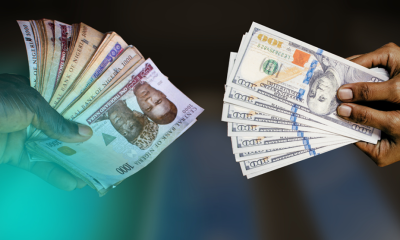
Naira faces exchange rate gap as Dollar hits N1,380 on parallel market
-

 Business3 days ago
Hoodlums raid JED Benue office, abduct 10 staff over power dispute
-

 Football3 days ago
Aston Villa ready to freeze out Garnacho to avoid £43m Chelsea transfer
-

 Business3 days ago
EV adoption: Roxettes seeks cheaper financing, local manufacturing incentives
-

 Business1 week ago
NCC launches Internet Governance Working Group to tackle AI risks, boost online safety
-

 Latest2 days ago
Akpabio tasks Tompolo-backed movement with spreading Tinubu’s renewed hope message