
Agribusiness
Oil palm farming: govt to spend $4.3m, says Minister

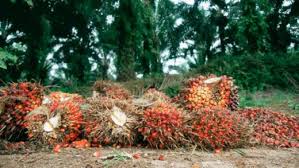
Tanzania has set aside 4.3 million dollars to boost cultivation of oil palm as part of its strategy to end importation of edible oils.
This was revealed by the Prime Minister Kassim Majaliwa when speaking in the Western Tanzania’s region of Kigoma soon after inspecting an oil palm farm of the National Service Department (JKT), Bulombora camp.
The Tanzanian leader said the money would be spent in developing the crop so that its farmers are on the same level as growers of other cash crops.
He also directed the ministry of agriculture to prepare a demonstration farm in the region where farmers can learn modern methods of oil palm production.
“The government will not tolerate anyone, who goes against the strategy to revive the crop in the country,” the premier cautioned.
Omary Mgumba, Tanzanian Deputy Minister for Agriculture, said the government’s strategy in reviving the crop is meant to save foreign currency used to import edible oils.
Kigoma region accounts for more than 80 per cent of palm oil produced in the country and given its soils and weather, it has the potential to make Tanzania one of the world’s top palm oil producers and exporters.
Tanzania imports 55.5 per cent of its total edible oil in spite of having a vast and promising production potential in palm oil and sunflower sub-sectors.
In spite of the huge potential, the country relies on imported raw materials for producing edible oils and soaps.
Tanzania has similar weather conditions as Malaysia from where it imports most of its palm oil.
Malaysia is the world’s second largest producer of palm oil while Tanzania is not even on the list of palm oil producing countries.
The private sector has been in the forefront to increase the production of the crop since 2017. Their engagement has seen financial institutions collaborating with the sector to improve performance.
Palm oil is used in most oil-based products which consumers purchase and use on a daily basis.
Palm Oil and its derivatives are used in the manufacture of pre-packaged foods, cosmetics, cleaning products, hair care, soaps and personal care items.


-

 Business5 days ago
CBN reduces MPR by 350bps to 23% in major monetary policy shift
-

 Business7 days ago
Jetour takes T1 adventure SUV experience to Abuja, targets growing Nigerian market
-

 Football4 days ago
Saka: England still carry World Cup scar
-

 Comments and Issues5 days ago
Sometimes, goodwill finds us through the people we love
-

 Football7 days ago
Nigeria vs Colombia: Falconets battle for U-20 World Cup semi-final ticket
-

 Football1 week ago
Breaking:Brighton shocks Arsenal 3-0 as Gunners’ perfect start comes crashing down
-

 Latest2 days ago
Arsenal eye €70-80m move for Real Madrid star
-

 Comments and Issues7 days ago
Peter Obi and the Pensioners’ Testimony