
Business
OPay, Kuda, others start N50 levy on transfers above N10,000

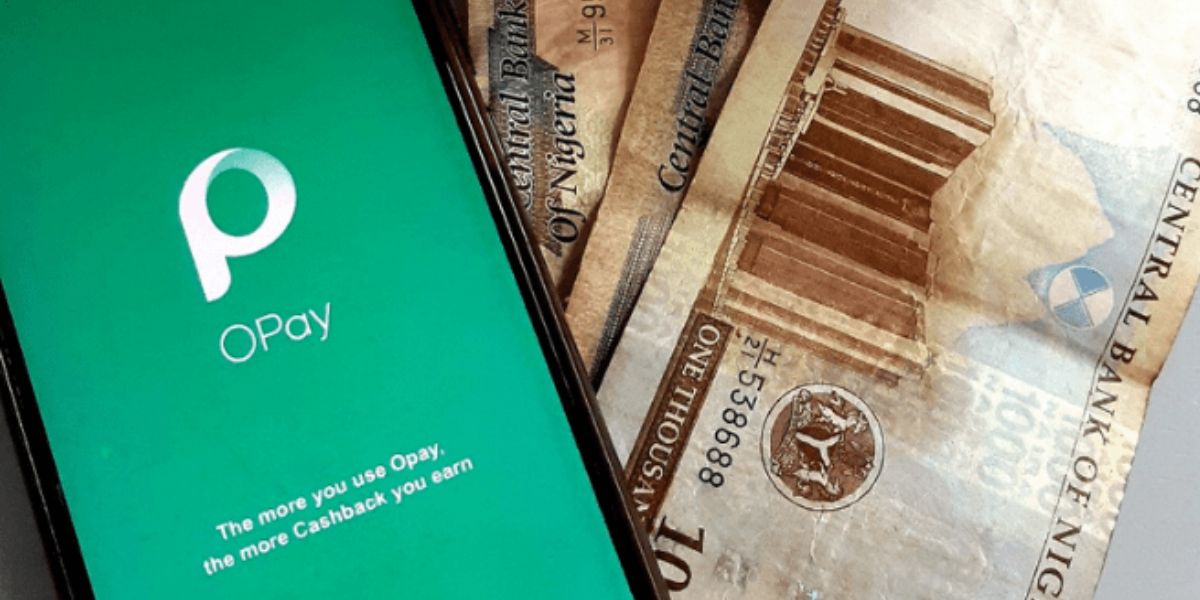
Beginning from Today, Monday September 9, Nigerian fintech companies, including OPay, Moniepoint, Palmpay, and Paga, will begin deducting a N50 Electronic Money Transfer Levy (EMTL) from every inflow of N10,000 and above received by their customers.
This deduction is in line with a directive from the Federal Inland Revenue Service (FIRS), marking the end of certain free banking services previously offered by these fintech platforms.
The EMTL, introduced under the Finance Act 2020, was initially applicable only to commercial banks.
However, it has now been extended to cover all fintech companies operating within Nigeria.
The N50 levy applies to electronic money transfers or receipts over N10,000, with specific exemptions such as transfers under N10,000, payments into one’s own account, and transfers between accounts owned by the same individual within the same bank.
READ ALSO: Opay faces backlash as glitches leave customers stranded again
Fintech companies have started notifying their customers of this development. Moniepoint informed its users through a message stating, “A N50 fee would be charged on inflows you receive of N10,000 and above from Monday, September 9, 2024. Your BRM is available to answer questions you might have.”
Similarly, OPay clarified that the deduction is a government-mandated charge, with no benefit to the company itself: “Please be informed that starting September 9th, 2024, a one-time fee of N50 will be applied to electronic transfers of N10,000 and above paid into your personal or business account in compliance with the Federal Inland Revenue Service (FIRS) regulations.”
This levy is part of the government’s broader strategy to increase revenue through expanding taxes and levies. Revenue generated from the EMTL is distributed among the three tiers of government: 15 per cent to the Federal Government, 50 per cent to state governments, and 35 per cent to local governments.
The levy, which was initially only applicable to local currency transactions, was extended to foreign currency transactions in December 2023.
The FIRS directed banks to apply the N50 charge to foreign currency transactions retrospectively, covering transactions from 2021 to 2023. The banks complied, starting deductions in January 2024.
With the inclusion of fintech companies in the EMTL regime, more Nigerians will now be subject to this levy, as fintech platforms have become increasingly popular for their ease of use and lower transaction costs compared to traditional banks.
This move is expected to significantly boost government revenue, albeit at the cost of the fintech industry’s appeal of offering low-cost or free transaction services.


-

 Featured6 days ago
Inside INEC’s race to prepare for Nigeria’s 2027 elections
-

 Featured6 days ago
2027: APC unveils nationwide campaign timetable, Tinubu to rally in 12 states
-

 Latest1 week ago
UCTH faces morgue crisis as 50 unclaimed corpses await mass burial
-

 Business7 days ago
President Tinubu and the Low Transport Fares Fiasco
-

 Latest7 days ago
Global excitement builds as Healing Streams Live Services returns October 23
-

 Business1 week ago
BREAKING: Nigeria’s Inflation Rate Drops to 14.63% in September
-
 Business6 days ago
Court dismisses ₦170m Trade Fair contract claim, says Zenith Bank was not a party
-

 Business3 days ago
Naira faces exchange rate gap as Dollar hits N1,380 on parallel market