
Business
Petrol prices jump 64% in one year, North-West records highest surge

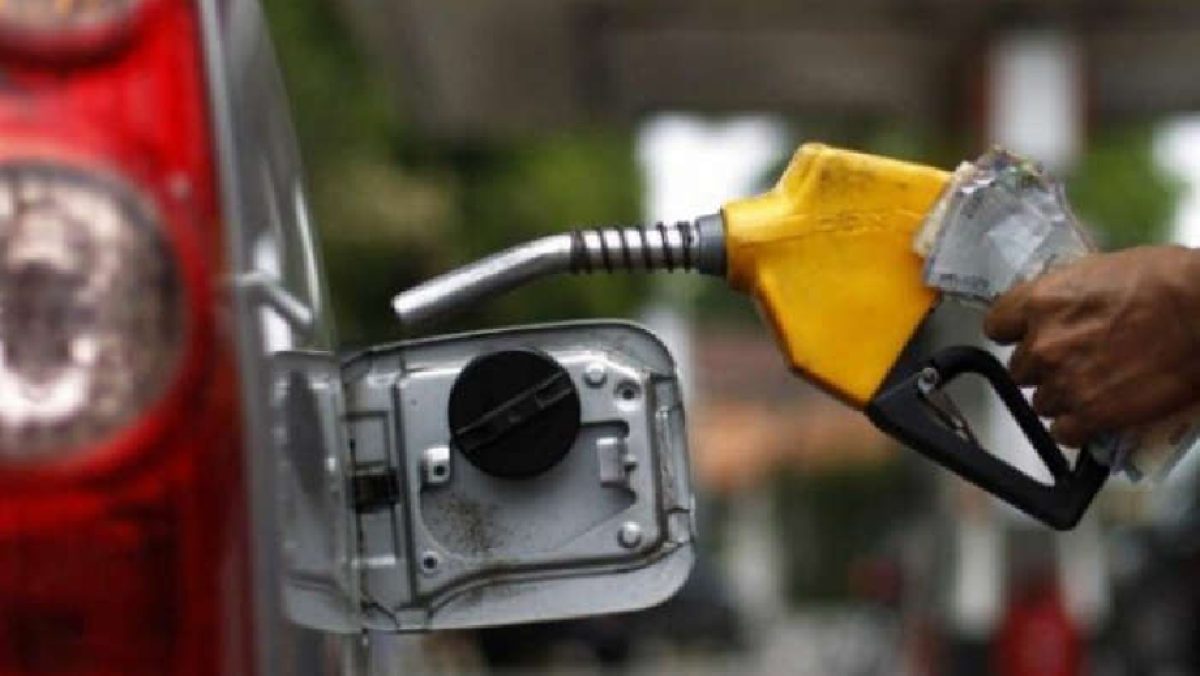
The National Bureau of Statistics (NBS) has reported a significant increase in the average retail price of premium motor spirit (PMS), commonly known as petrol, which surged to N1,030.46 per litre in September 2024.
This marks a steep rise of 64.5% compared to the N626.21 recorded in the same month last year.
The report, titled “Premium Motor Spirit (Petrol) Price Watch (September 2024),” was released on October 17 and detailed the sharp month-to-month price escalation, with September prices up 24.08% from the N830.46 recorded in August.
State-by-state analysis reveals that Katsina had the highest petrol prices, with residents paying an average of N1,096.15 per litre, closely followed by Ebonyi (N1,090.94) and Akwa Ibom (N1,085.71).
In contrast, Yobe, Sokoto, and Kebbi States recorded the lowest average prices at N939.38, N961.67, and N986.67 per litre, respectively.
Regionally, the North-West zone bore the brunt of the price hike, with the highest average retail price of N1,036.52, while the North-East zone had the lowest at N1,014.55.
The NBS report comes just days after the Nigerian National Petroleum Company (NNPC) raised petrol prices to N998 per litre in Lagos and N1,003 in Abuja on October 9, intensifying public outcry.
READ ALSO: SERAP urges Tinubu to halt petrol price hike, cites pending court case
Reacting to the development, the Nigeria Labour Congress (NLC) strongly criticized the price surge, describing it as “inimical” to the recently approved N70,000 minimum wage.
The NLC argued that the price increase would significantly erode the purchasing power of Nigerian workers, many of whom are already grappling with high inflation and stagnant wages.
Economic analysts have also weighed in on the issue, highlighting the long-term impacts of rising fuel prices on consumer spending and economic growth.
Dr. Samuel Ojo, an economist at the University of Lagos, warned that “the persistent fuel price increases will likely trigger a new wave of inflation, further straining household incomes and pushing more Nigerians into poverty.”
On October 16, the House of Representatives addressed the situation, urging the federal government to reverse the price hike. Lawmakers stressed that the rising cost of petrol was unsustainable and could lead to heightened social unrest if not addressed.
Chairman of the House Committee on Petroleum, Hon. Yusuf Kaita, stated, “It is essential for the government to prioritize the well-being of citizens, as this increase directly undermines the modest gains made in workers’ wages.”
With growing pressure from labour unions and legislators, the federal government faces mounting calls to intervene and prevent further economic hardship for Nigerians.


-
 Featured7 days ago
Inside INEC’s race to prepare for Nigeria’s 2027 elections
-
 Featured7 days ago
2027: APC unveils nationwide campaign timetable, Tinubu to rally in 12 states
-
 Business4 days ago
Naira faces exchange rate gap as Dollar hits N1,380 on parallel market
-
 Business1 week ago
Court dismisses ₦170m Trade Fair contract claim, says Zenith Bank was not a party
-
 Latest7 days ago
Breaking: NNPCL raises petrol price to ₦1,405 per litre amid discount controversy
-
 Featured1 week ago
From kitchen to Supreme Court: Nigerian’s fight over alleged support for terrorists
-

 Football1 week ago
Maresca reveals Guardiola’s reaction to Man City’s 4-2 defeat to PSG
-

 Business6 days ago
NCC launches Internet Governance Working Group to tackle AI risks, boost online safety