
News
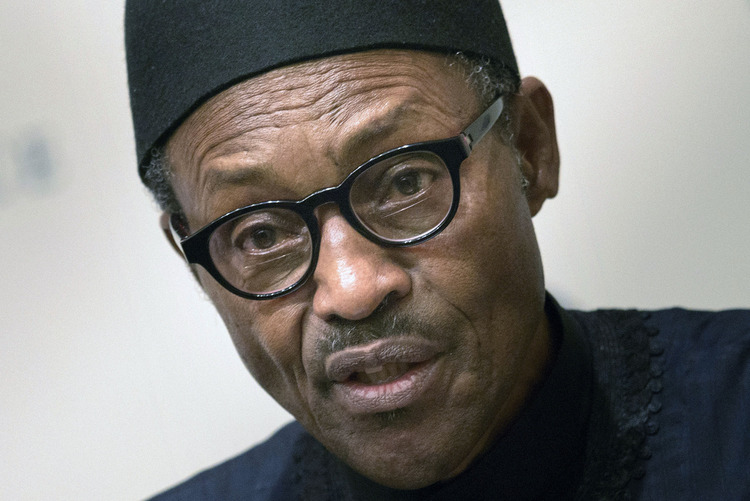
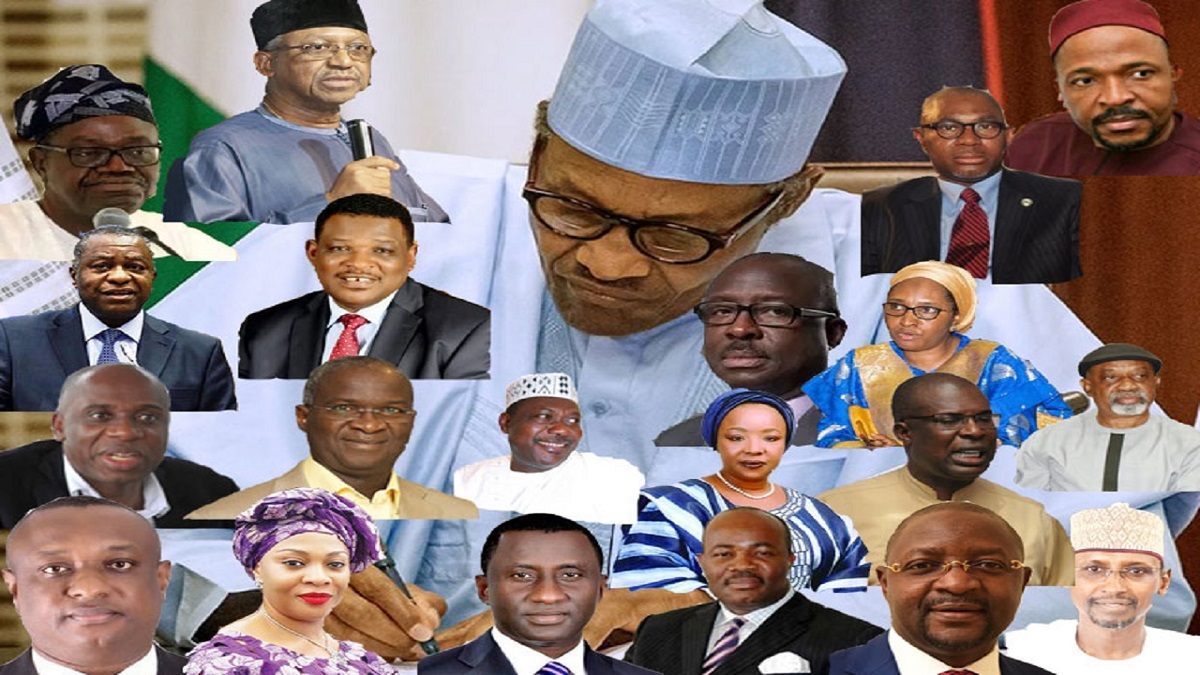
President Buhari, Ministers, others meet over economic crisis, 2017 budget

By Odunewu Segun
As parts of measures to improve synergy among the various ministries for an enhanced implementation of planning and budget as well as brainstorm on the economic crisis in the country, President Muhammadu Buhari, his deputy, ministers and heads of Federal ministries, agencies and department are set to meet today in Abuja.
The emergency meeting which is expected to be attended by private sector facilitators and some economic experts who will provided perspectives during the technical sessions, will brainstorm on how to end economic recession in the country, and also discuss the 2017 budget and priority areas of the MDAs in other to avoid the pitfalls that bedeviled 2016 budget during presentation.
It is part of a scheduled arrangement to fine-tune and set the right parameters for the 2017 budget. The emergency meeting will also provide an opportunity to discuss the framework of the 2017 budget, the key priorities and the deliverables of the budget.
According to Minister of Budget and Planning, Udo Udoma, the key objective of the retreat is to discuss the 2017 budget as well as discuss steps being taken to get the economy out of recession.
He said the retreat would deliver improved understanding of the measures being taken to get the country out of recession and also review prioritized projects and programmes of ministries to fit into the 2017-2019 MTSS, 2017-2020 medium term plan and 2017 budget.
ALSO SEE: Buharinomics: Inflation reaches 11 year high
The retreat became necessary, as years of the country’s growth and development have been impeded by mismatch between planned targets and budgetary outcomes at the national and sectoral levels due to lack of synergy between the various federal MDAs.
According to the National Bureau of Statistics, Nigeria’s Gross domestic product contracted by 0.36 percent from a year earlier. This compares with growth of 2.11 percent in the previous three months.
Falling prices of crude, from which Nigeria derives up to 70 percent of state revenues, have caused the nation’s economic outlook to deteriorate as the government struggles to pay salaries and stimulate growth, forcing it to increase borrowing.
Nigeria’s economic slowdown is exacerbated by the re-emergence of an insurgency in the key oil-producing Niger River delta region. Militants have damaged facilities owned by companies including Chevron Corp. and Royal Dutch Shell Plc, causing output to drop to a 27-year low.








-

 Latest6 days ago
US Immigration fees rise from October 16 as USCIS announces new charges
-
 Latest1 day ago
Israel marks 3 years since October 7 Hamas attack amid Gaza strikes, election debate
-

 Business6 days ago
Nigeria’s $55bn reserves raise fresh questions over naira value
-
 Health5 days ago
Florida sues Pfizer over deceptive COVID-19 vaccine marketing
-

 Business1 week ago
Tuoyo Erikowa wins digital marketing personality of the Year at 2026 EDGE awards
-

 Crime5 days ago
From camp to captivity: How kidnappers now target NYSC Corps members on highways
-
 Featured6 days ago
2027: Can Nigeria’s opposition still unite behind a single presidential candidate?
-

 Crime5 days ago
Fulani Militia leader linked to Christian killings arrested in Plateau