
News
Reform UK councillor charged over alleged racist post targeting Nigerians

By Princess Ose Aluede
A Reform UK councillor has been charged over an alleged racist social media post about Nigerians, in a case that has renewed debate in Britain over online hate speech, freedom of expression and the conduct expected of elected officials.
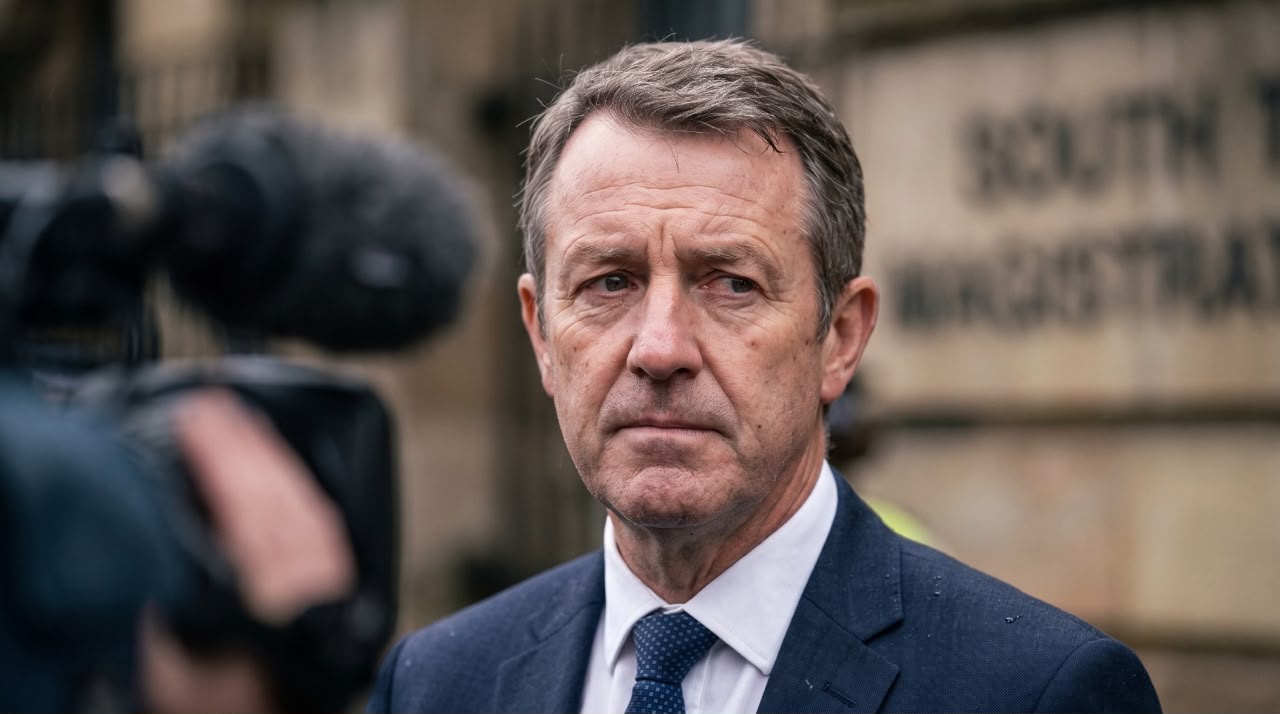
Glenn Gibbins, 66, who represents the Hylton Castle ward on Sunderland City Council, has been charged with sending a grossly offensive message through a public electronic communications network, contrary to Section 127 of the Communications Act 2003. The charge follows an investigation by Northumbria Police and authorization from the Crown Prosecution Service (CPS).
According to prosecutors, the charge relates to an alleged social media post made in March 2024 in which Gibbins reportedly wrote: “Carnt believe amount of Nigerians in town…..should melt them all down and fill in the pot holes!!” The post, reported to have been published on Facebook before being deleted, resurfaced after anti-racism campaign group Hope Not Hate highlighted it following Gibbins’ election to Sunderland City Council in the May 2026 local elections.
The comments drew widespread criticism from politicians, anti-racism campaigners and members of the Nigerian community, who described them as racist and dehumanising. Reform UK initially suspended Gibbins pending an internal investigation after the post emerged publicly.
Gibbins later apologised, saying the comments were made before he joined Reform UK and describing them as being in “extremely poor taste” and an example of “poor judgement.” He said the posts did not reflect his personal beliefs or values. Following its disciplinary process, Reform UK reinstated him but issued a final written warning.
The councillor is due to appear before South Tyneside Magistrates’ Court on 21 August, where the criminal proceedings will begin. As with all criminal cases, the charge remains an allegation, and Gibbins is presumed innocent unless proven guilty in court.
The prosecution is being brought under Section 127 of the Communications Act 2003, which criminalises the sending of messages considered “grossly offensive” through a public electronic communications network. Prosecutors will be required to satisfy the court that the legal threshold for the offence has been met based on the evidence presented.
The case has attracted attention in both the United Kingdom and Nigeria, with many viewing it as a significant test of how British authorities respond to allegations of online hate speech involving elected public officials. It has also reignited political scrutiny of Reform UK’s vetting procedures after the party reinstated Gibbins following its internal disciplinary process.
The outcome of the proceedings at South Tyneside Magistrates’ Court will determine the next stage of the prosecution.


-

 Football7 days ago
Banda, Chawinga make 2026 Women’s Ballon d’Or top 30 shortlist
-

 Featured7 days ago
Peter Obi, Makinde and the 2027 elections: Can unity really challenge APC?
-

 Business1 week ago
Nigerian Breweries’ H1 profitability strengthens as revenue hits N804bn
-

 Trending Stories5 days ago
Davido, Wizkid, Burna Boy or Asake: Who is having the biggest 2026 so far?
-

 Business1 week ago
Nigeria records N12.59trn trade surplus in Q2 2026 — NBS
-

 Football4 days ago
Premier League releases 2026/27 festive fixtures, 7 matches set for Boxing Day
-

 Business3 days ago
Jetour Nigeria, dealers take dashing, other models to Abuja Experience
-

 Business4 days ago
Dangote Refinery IPO shifts spotlight to corporate governance, investor protection