
Business
Rising inflation fallout of Tinubu’s economic policy, says MAN

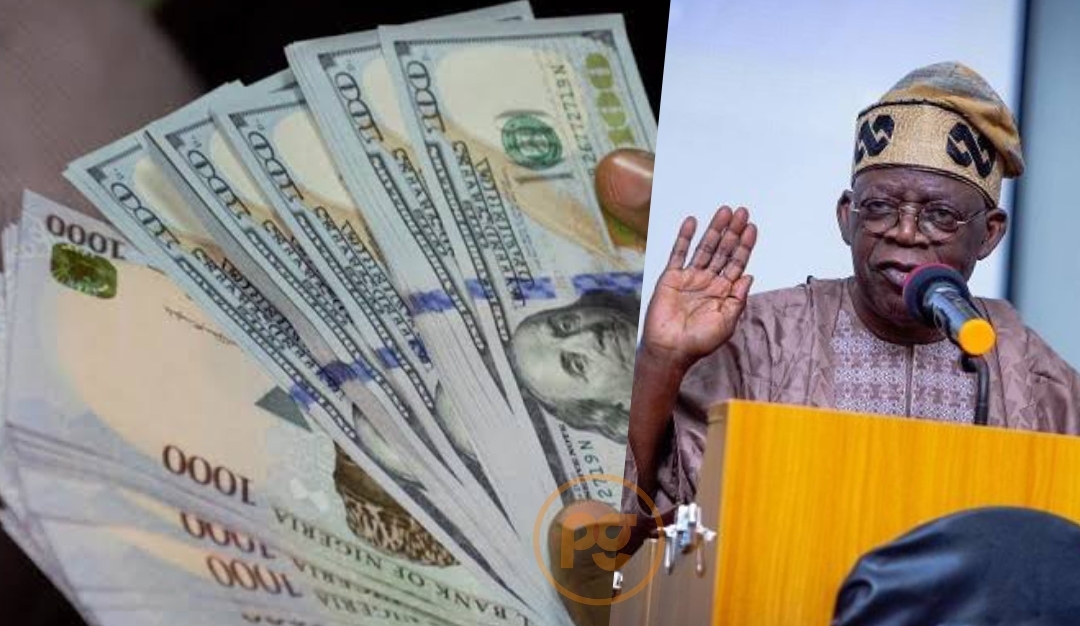
The Nigerian Manufacturers Association has blamed Nigeria’s rising inflation on the economic policy under President Bola Tinubu’s administration citing the removal of fuel subsidy and the unification of the exchange rate.
Recall that the recent inflation report which placed food inflation at 27% as Headline inflation accelerated to 24.08% in July as against 22.79% in June
Reacting, Director-General, of the Manufacturers Association of Nigeria (MAN), Segun Ajayi-Kadir urged the Government to address the challenges of insecurity and deploy fiscal reforms that prioritise productivity and intensify infrastructural development to stimulate economic activity in a bid to combat rising inflation.
READ ALSO: Rising inflation rates in Nigeria 1999-2023
The manufacturing boss noted that increasing energy costs and widespread insecurity in food-producing regions also exacerbated inflationary pressures, citing current inflationary conditions in Nigeria was adversely affecting manufacturing operations, just like most other sectors of the economy.
Ajayi-Kadir listed some of its impacts including an increase in production cost, reduced profit margin, supply chain disruptions, uncertainty in planning, and reduced consumer spending, adding that working with stakeholders could help mitigate inflationary pressures and promote sustained economic growth.
“Some of the ways that will ensure effective and conducive operations of manufacturers in the Nigerian economy include the CBN implementing effective exchange rate policies that prevent sharp depreciation of the currency.
“There should be increased targeted support to the agricultural sector to enhance productivity, reduce reliance on imports and stabilise food prices.
“Nigeria must continue to formulate policies that promote a stable and conducive business environment which can attract both local and foreign investments, leading to increased production, job creation, and ultimately, stability in prices.
READ ALSO: Just in: Nigeria’s inflation rate rises to 22.79 in June
He added that the Government must commit to addressing the challenges of insecurity and should deploy fiscal reforms that prioritise productivity and intensify infrastructural development to stimulate economic activity, create jobs and improve living conditions.
Also reacting, Dr. Muda Yusuf, Director of the CPPE, stated that the Nigerian Government must address the challenges bedeviling the supply side of the economy as this is imperative to urgently fix production and productivity constraints, stabilize the exchange rate by ensuring liquidity in the forex market, tackle insecurity, and accelerate efforts to ensure domestic refining of fuel.
“These factors include the depreciating exchange rate, a spike in energy prices, rising transportation costs, logistics challenges, forex market illiquidity, hike in diesel cost, insecurity in many farming communities, and structural bottlenecks impeding productivity.”
“These are largely supply-side and policy concerns. But the petrol price increase following the fuel subsidy removal and the sharp depreciation in the exchange rate were dominant factors.”


-

 Latest5 days ago
Pastor Chris Oyakhilome announces mother’s passing at 88 [VIDEO]
-

 Latest6 days ago
Arsenal eye €70-80m move for Real Madrid star
-

 Football3 days ago
How David Beckham made $51.1m from 2026 World Cup, surpassing winners’ prize
-

 Crime6 days ago
Police arrest suspect, launch manhunt for 2 others over Delta Education Director’s death
-

 Latest5 days ago
How adulterated palm oil, coloured pepper are putting consumers at risk
-

 Crime5 days ago
Deaths in NSCDC Custody: Can Nigeria guarantee the safety of detainees?
-

 Latest6 days ago
Obi left $155m in Anambra, Otti insists amid debt controversy
-

 Crime6 days ago
184.5kg Cocaine Bust: NDLEA docks KC Luxury, two accomplices, remands them in custody