
News
Rivers Local Govt Chairman apologises for insulting Governor Fubara

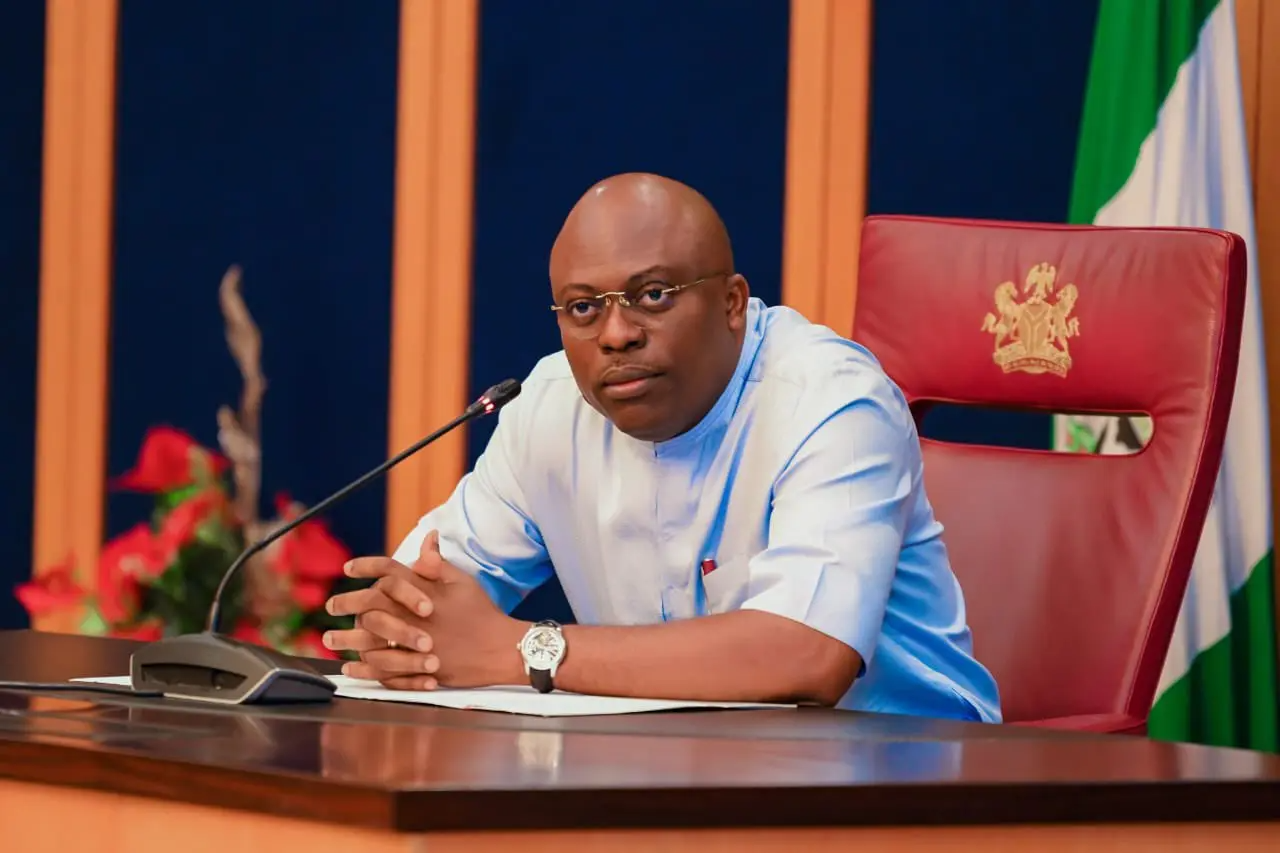
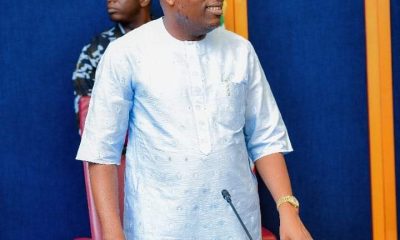
The chairman of Ikwerre Local Government Area in Rivers State, Samuel Nwanosike, has apologised for insulting the State Governor, Siminalayi Fubara.
Recall that Nwanosike, while addressing a gathering at a rally last week, had insulted Governor Fubara over his continued rift with the Minister of the Federal Capital Territory (FCT), Nyesom Wike.
The council chairman also accused the governor of being part of those sponsoring kidnappings and other forms of insecurity in Abuja to ridicule and get Wike fired from office.
Nwanosike, however, said the wish of Fubara and his associates to see Wike removed from office would not be fulfilled.
READ ALSO: Rivers Assembly overrides Governor Fubara, passes 4 new bills into law
Addressing some of his supporters at a rally in Port Harcourt, the state capital, on Friday, Nwanosike apologised to Nigerians for insulting Governor Fubara.
The council boss said the FCT minister called him to order and asked him to apologise for insulting a governor, adding that he regretted his action and was led by anger.
Nwanosike also called out a former presidential spokesman, Reuben Abati, over his comment on a programme on Arise Television, accusing the veteran broadcaster of being biased.
According to the council chairman, politics is his business and he is not afraid of any consequences.








-
 Latest5 days ago
Full List: Meet the 2026 Nobel Prize winners across six categories
-

 Football5 days ago
Premier League Matchweek 7: Five Fixtures That Could Shape the Weekend
-

 Latest4 days ago
Umahi defends Lagos-Calabar highway route changes amid public outcry
-

 Business3 days ago
Dangote Refinery IPO: 70% Subscription claim meets fourfold demand assertion as investors seek clarity
-
Business4 days ago
Dangote Refinery IPO Extension: Was the 70% subscription report overhyped?
-

 Latest2 days ago
UCTH faces morgue crisis as 50 unclaimed corpses await mass burial
-
 Featured4 days ago
El-Rufai, ADC governorship candidate’s court appearance puts Kaduna opposition politics in focus
-

 Business2 days ago
BREAKING: Nigeria’s Inflation Rate Drops to 14.63% in September