
Latest
Succession showdown looms at INEC: Who will replace Mahmood Yakubu?

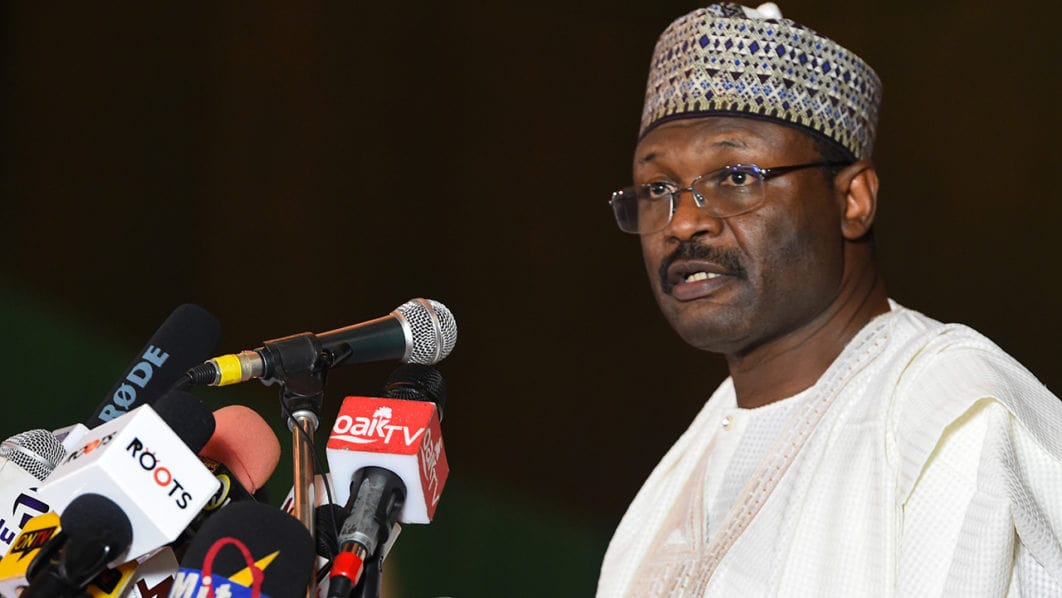
The political landscape in Nigeria is once again abuzz with speculation as the tenure of the Independent National Electoral Commission (INEC) Chairman, Professor Mahmood Yakubu, draws to a close in the last quarter of 2025. With key elections on the horizon, the question of who will step into the crucial role of Nigeria’s chief electoral umpire has sparked intense debate and anticipation across the nation.
Professor Yakubu, appointed in November 2015, made history as the first INEC Chairman to be reappointed for a second five-year term. His tenure has been marked by significant electoral reforms and technological advancements, though not without its share of controversies and challenges, particularly following the 2023 general elections. As his time at the helm nears its end, attention is now shifting to the process of identifying and appointing his successor.
The Independent National Electoral Commission is a cornerstone of Nigeria’s democracy, responsible for conducting free, fair, and credible elections. The Chairman’s role is therefore of paramount importance, demanding a figure with unassailable integrity, impartiality, and a deep understanding of electoral processes.
Under Nigeria’s constitution, the President is responsible for appointing the INEC Chairman, a decision that requires consultation with the Council of State and subsequent confirmation by the Senate. This multi-layered process ensures that the appointment is subject to scrutiny and aims to foster a sense of national consensus, though political maneuvering often plays a significant role.
While no official names have been put forward, political analysts and civil society organizations are already engaging in discussions about the ideal qualities for the next Chairman. The electoral body faces ongoing challenges, including improving voter turnout, enhancing the transparency of election results, tackling vote-buying, and strengthening public trust in the electoral system.
Potential candidates are expected to emerge from various sectors, including academia, legal professions, and civil society, all with proven track records and a commitment to democratic principles. The selection process will undoubtedly be closely watched by Nigerians and the international community alike, as the credibility of future elections hinges significantly on the leadership of INEC.
As the months tick down to the end of Professor Yakubu’s tenure, the “Succession Showdown” at INEC is set to become a focal point of national discourse. The eventual choice will send a clear message about the government’s commitment to electoral integrity and the future direction of Nigeria’s democratic journey.


-
 Featured6 days ago
Inside INEC’s race to prepare for Nigeria’s 2027 elections
-
 Latest1 week ago
Global excitement builds as Healing Streams Live Services returns October 23
-
 Featured6 days ago
2027: APC unveils nationwide campaign timetable, Tinubu to rally in 12 states
-
 Business1 week ago
President Tinubu and the Low Transport Fares Fiasco
-
 Business3 days ago
Naira faces exchange rate gap as Dollar hits N1,380 on parallel market
-
 Business6 days ago
Court dismisses ₦170m Trade Fair contract claim, says Zenith Bank was not a party
-

 Latest6 days ago
Breaking: NNPCL raises petrol price to ₦1,405 per litre amid discount controversy
-

 Business1 week ago
Rite Foods targets beverage market growth with LIDA Malt