
Latest
Ukrainian energy minister urges NATO intervention

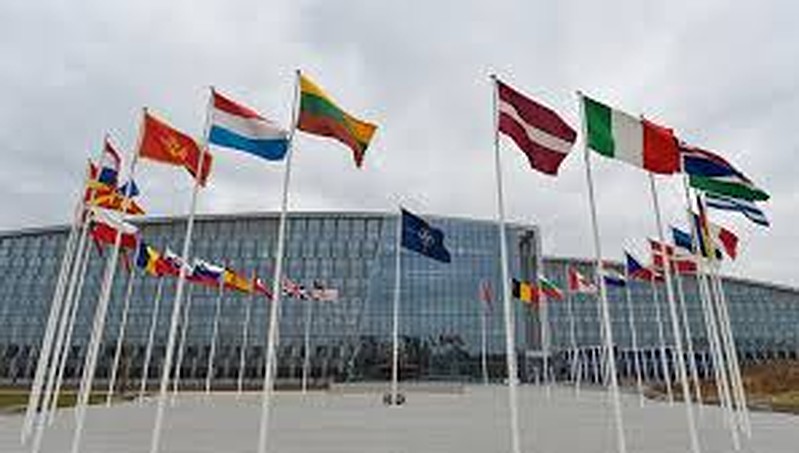
Ukrainian energy minister urges NATO intervention.
Ukrainian energy minister Herman Halushchenko has urged NATO to intervene after reports of alleged Russian shelling of the Zaporizhzhia nuclear power plant in southern Ukraine.
“That is why we demand not only a professional assessment of what is happening, but a real intervention with the toughest measures, including by NATO and countries that have nuclear weapons,” Halushchenko wrote on Facebook early on Friday.
Europe’s largest nuclear power plant is being shelled with tanks and from the air, Halushchenko claimed.
These statements could not be independently verified.
Halushchenko said he had already spoken on the phone with U.S. Energy Secretary Jennifer Granholm and asked for the closure of airspace over Ukraine.
“We are on the threshold one of the great technological disasters in the history of mankind,” Halushchenko said.
Granholm confirmed the phone call with her Ukrainian counterpart in a Twitter post.
“I just spoke with Ukraine’s energy minister about the situation at the Zaphorizhizia nuclear plant.
“Russian military operations near the plant are reckless and must cease,” Granholm tweeted.
She said the power plant’s reactors are protected by robust containment structures and reactors are being safely shut down.













-
 Latest6 days ago
Israel marks 3 years since October 7 Hamas attack amid Gaza strikes, election debate
-

 Energy6 days ago
Fuel Battle: Dangote, marketers and government clash over petrol imports
-

 Energy7 days ago
Petrol, diesel prices rise 86% in 2026 as costs hit fresh highs
-

 Football7 days ago
Nigeria’s World Cup exit under spotlight as FIFA’s DR Congo files emerge
-

 Energy1 week ago
Has Iran lost control of the Strait of Hormuz? Oil flows rebound as war disruptions persist
-

 Latest7 days ago
US Court set to rule on release of FBI, DEA records on Tinubu
-

 Latest16 hours ago
Full List: Meet the 2026 Nobel Prize winners across six categories
-

 Business7 days ago
Nigerian investors at a crossroads as fixed-income yields slide