
Business
Uncertainties about regulatory, fiscal frameworks plaguing Nigeria’s oil production – World Bank

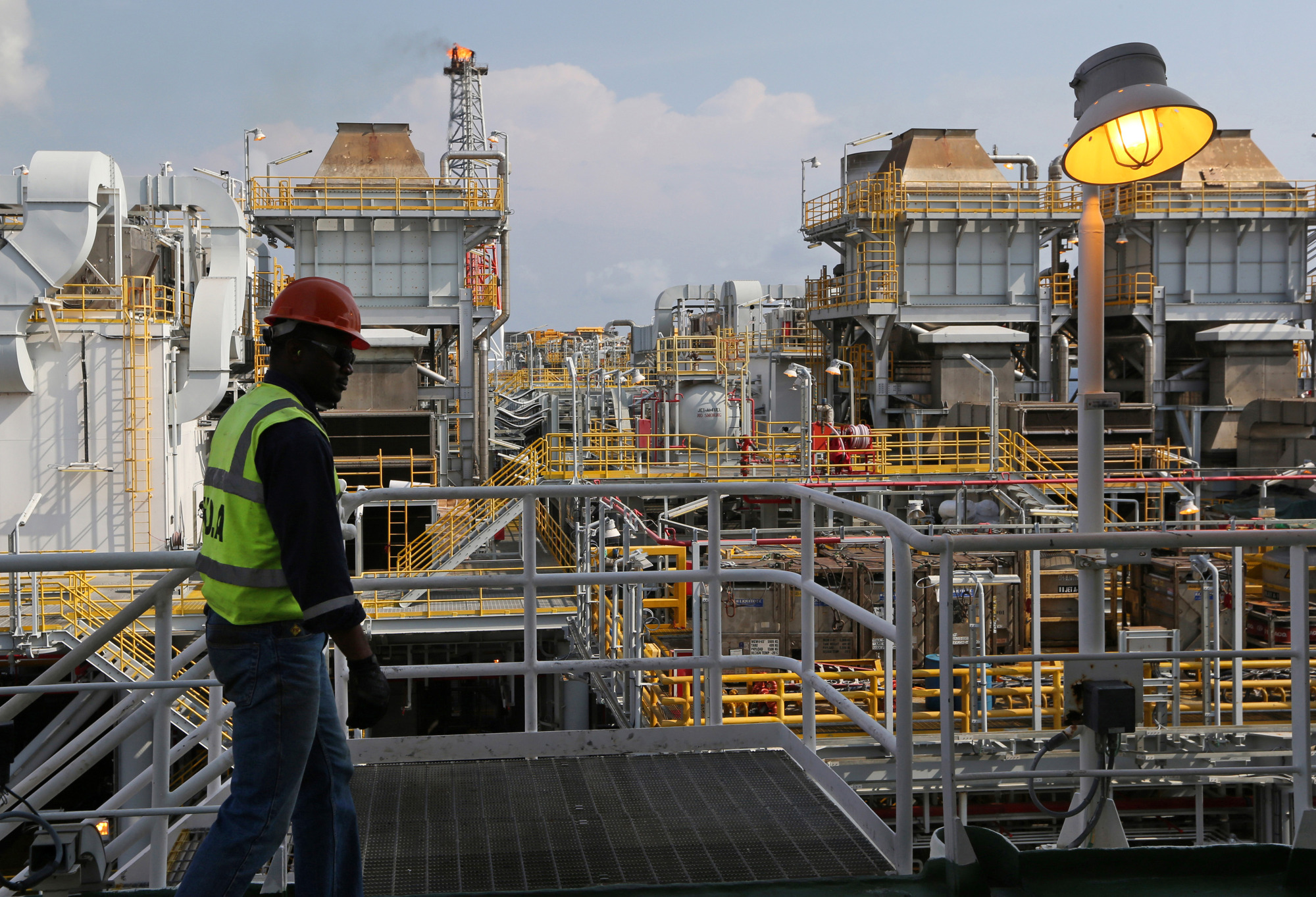
Uncertainties about future regulatory and fiscal frameworks are responsible for Nigeria’s declining oil production, preventing the country from holding a licensing round for oil blocks in 15 years.
This was disclosed by the World Bank in a document titled ‘Nigeria Development Update (June 2022): The Continuing Urgency of Business Unusual.
The World Bank also stated that security concerns, tense relationships with workers and communities, high costs, and the Federation’s failure to finance the production of its equity oil have also contributed to plaguing Nigeria’s oil.
READ ALSO: Crude oil: Nigeria, 6 others drop in production, OPEC report says
The Bank said, “Due to uncertainties about future regulatory and fiscal frameworks, Nigeria has not held a licensing round for oil blocks other than marginal fields since 2007. New production has been limited to drilling new wells in existing license areas.”
The Bank stated that the Petroleum Industry Act, which was enacted in August 2021 would be key to increasing oil production and attracting investors. “Because the natural production decline in Nigeria, as elsewhere, is about 10–15 per cent a year, the delay in conducting bid rounds since 2007—partly because industry players were waiting for the new Petroleum Industry Act, which was enacted in August 2021 and has made fiscal terms more attractive to investors—has contributed to declining oil production.”
The Bank stated that Nigeria has not realized its oil production potential due to high production, high-security risks, and the inability of the Federation to pay fully and on time for its share of costs in joint-venture operations, and in the past, uncertainties about the future fiscal terms, now set out in the Petroleum Industry Act.
The World Bank also urged the Nigerian government to reduce fiscal pressures and remove petrol subsidies. “Ending the petrol subsidy will go a long way in reversing the decline in oil production. Further, the global energy transition has made investors increasingly selective about where to invest.”
The World Bank stated that for Nigeria to remain competitive, the country will need to slash gas flaring, venting, and fugitive methane emissions; concurrently, the government and the national oil company will need to enhance administrative efficiency.


-

 Football1 week ago
Premier League Matchweek 7: Five Fixtures That Could Shape the Weekend
-
 Business6 days ago
Dangote Refinery IPO: 70% Subscription claim meets fourfold demand assertion as investors seek clarity
-

 Latest1 week ago
Umahi defends Lagos-Calabar highway route changes amid public outcry
-
Business1 week ago
Dangote Refinery IPO Extension: Was the 70% subscription report overhyped?
-
 Featured3 days ago
Inside INEC’s race to prepare for Nigeria’s 2027 elections
-

 Latest5 days ago
UCTH faces morgue crisis as 50 unclaimed corpses await mass burial
-
 Business5 days ago
BREAKING: Nigeria’s Inflation Rate Drops to 14.63% in September
-

 Featured1 week ago
El-Rufai, ADC governorship candidate’s court appearance puts Kaduna opposition politics in focus