
Featured
Why UK government classified IPOB as terror group

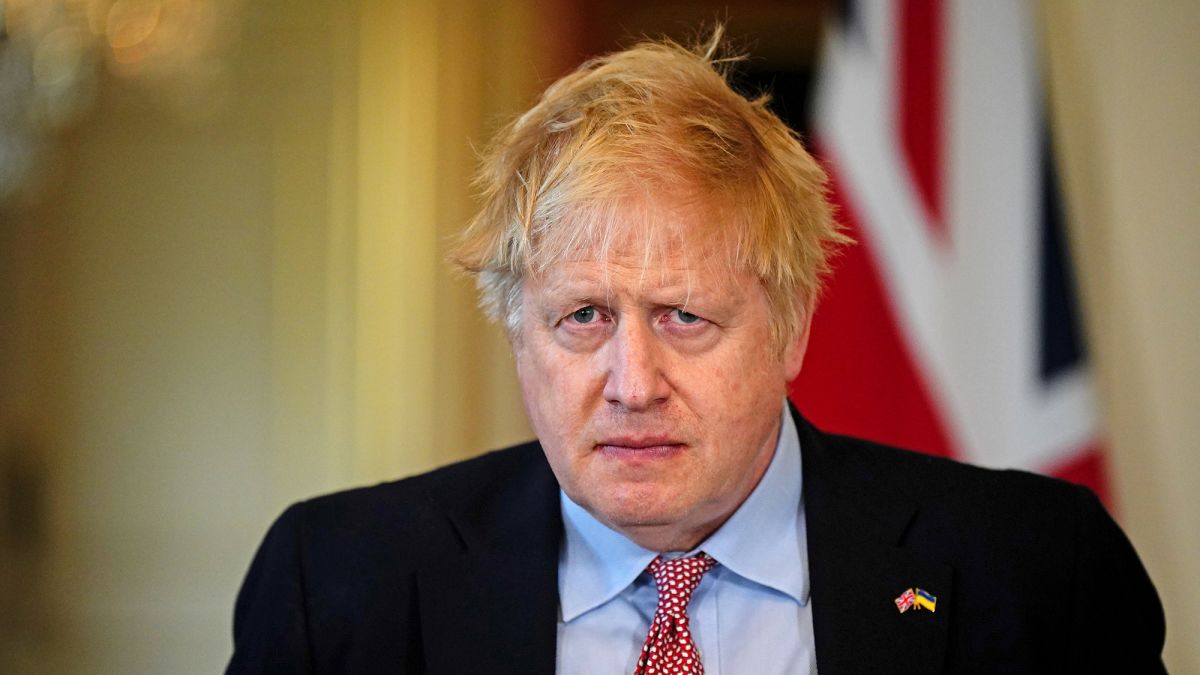
The government of the United Kingdom has excluded members of the Indigenous People of Biafra (IPOB) from seeking asylum in the country following its classification as a terrorist group.
In its May 2022 policy update, UKVI referred to IPOB as a terrorist organisation to be excluded from its asylum programme over alleged links to violence in the south-east.
Before now, the policy was for asylum to be granted to “persecuted” members of the Indigenous People of Biafra (IPOB), and the Movement for the Actualisation of the Sovereign State of Biafra (MASSOB)”.
The UKVI, a division of the Home Office, directed its decision makers to consider if a person “who actively and openly supports IPOB is likely to be at risk of arrest and detention, and ill-treatment which is likely to amount to persecution”.
If the person can prove persecution, then the IPOB member or supporter could be granted asylum.
READ ALSO: IPOB explains how military couple died in Imo
A few days after the policy notes were published, the UK government took it down, following complaints from the Nigerian government.
The UK said at the time that it would offer protection to “women, LGBTI persons and non-indigenes” who “may face additional discrimination which prevents them from being able to access effective protection”.
The UK government said Nigerians could now claim asylum in the UK if they face “fear of persecution and/or serious harm by members of Boko Haram because of” their “actual or perceived opposition to the group”.
“IPOB is proscribed as a terrorist group by the Nigerian government, and members of the group and its paramilitary wing – the Eastern Security Network (created in December 2020) – have reportedly committed human rights violations in Nigeria,” UKVI said in its policy notes.
It added that “MASSOB has been banned, but is not a proscribed terrorist group in Nigeria. It too has reportedly been involved in violent clashes with the authorities”.
UKVI went on to tell its decision makers that “if a person has been involved with IPOB (and/or an affiliated group), MASSOB or any other ‘Biafran’ group that incites or uses violence to achieve its aims, decision makers must consider whether one (or more) of the exclusion clauses under the Refugee Convention is applicable.
READ ALSO: IPOB reveals top politicians behind insecurity in South-East
The policy brief noted that anyone excluded in this manner is also “excluded from a grant of humanitarian protection”.
UKVI also advised that “decision makers must, however, still consider all claims on an individual basis, taking into account each case’s specific facts”.
Since the last update in July 2021, Nnamdi Kanu, leader of IPOB and a UK citizen, has been in the custody of the Nigerian government on the grounds of allegations, including treason.
In its 2022 New Year message, the group said the Nigerian national anthem will no longer be sung across schools in the southeast.
Suspected IPOB members were also recently killed by the Nigerian Army in a gun battle on Orlu–Orsu road in April.


-

 Latest7 days ago
US Immigration fees rise from October 16 as USCIS announces new charges
-
 Latest2 days ago
Israel marks 3 years since October 7 Hamas attack amid Gaza strikes, election debate
-

 Business6 days ago
Nigeria’s $55bn reserves raise fresh questions over naira value
-
 Health6 days ago
Florida sues Pfizer over deceptive COVID-19 vaccine marketing
-

 Business1 week ago
Tuoyo Erikowa wins digital marketing personality of the Year at 2026 EDGE awards
-

 Crime6 days ago
From camp to captivity: How kidnappers now target NYSC Corps members on highways
-

 Featured6 days ago
2027: Can Nigeria’s opposition still unite behind a single presidential candidate?
-
 Crime6 days ago
Fulani Militia leader linked to Christian killings arrested in Plateau