
Business
$38 benchmark polarizes Senate

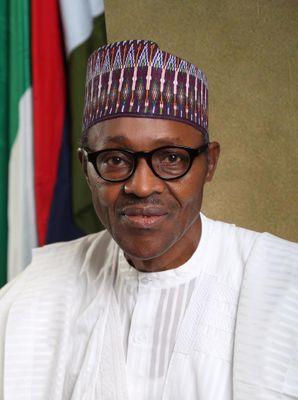
The $38 per barrel benchmark President Muhammadu Buhari presented as crude price to finance 2016 budget has generated some uproars in its debate on the floor of the Senate.
Opening the floor, Deputy Senate President Ike Ekweremadu, argued that the benchmark was conservative, and should be reviewed upward.
Crude price on the international market fell from $38 to $35 Wednesday.
“I have looked at the projection for the oil price. From the projection of oil price for 2016 it is estimated that it will hover between $40 and $45,’ said Ekweremadu, adding the senate should consider an oil benchmark of $40. “I’m sure that this will help cushion the problems we have in the states.”
Kebbi Sen. Adamu Aliero, however, countered Ekweremadu’s suggestion, saying it was unrealistic. “I recommend we take it to $35 per barrel,” the APC senator said, going further to state that Aliero added that it had been projected crude oil would plummet further in 2016.
Other APC senators took a similar position, supporting the $38-dollar benchmark.
It was only Sen. Ben Bruce, from Bayelsa East, among the PDP senators, who said the benchmark was fine, commending the finance minister for doing a god job.
“It doesn’t matter the party development comes from; what is important is that we develop,” he said, supporting an APC senator Olalekan Adeola who asked Buhari to borrow more to finance development project.
Adeola (APC-Lagos West) had questioned the indices used by the president to gauge the fluctuation in the price of oil as projected for 2016.
“We can allow it (benchmark) to be like that but we should let the committee do a thorough job,” he said. But he urged the federal government to increase borrowing and improve budgetary share of capital expenditure.
Dino Melaye (APC-Kogi West) also canvassed for better infrastructure, urging that the capital expenditure should be bumped up to 35 percent because the APC promised Nigeria infrastructure development.
Other key aspects of the budget, which is contained in the Medium-Term Expenditure Framework, include the reduction in the Niger Delta Amnesty Forum, removal of subsidy on Kerosene, the N500 billion earmarked for social welfare programme in the 2016, and the reduction of National Assembly budget from N120 billion to N115 billion.


-
 Latest6 days ago
Israel marks 3 years since October 7 Hamas attack amid Gaza strikes, election debate
-
 Energy6 days ago
Fuel Battle: Dangote, marketers and government clash over petrol imports
-
 Energy1 week ago
Petrol, diesel prices rise 86% in 2026 as costs hit fresh highs
-

 Football7 days ago
Nigeria’s World Cup exit under spotlight as FIFA’s DR Congo files emerge
-
 Energy1 week ago
Has Iran lost control of the Strait of Hormuz? Oil flows rebound as war disruptions persist
-

 Latest7 days ago
US Court set to rule on release of FBI, DEA records on Tinubu
-

 Latest18 hours ago
Full List: Meet the 2026 Nobel Prize winners across six categories
-
 Business7 days ago
Nigerian investors at a crossroads as fixed-income yields slide