
Latest
House of Representatives approves State Police Bill in landmark security reform vote

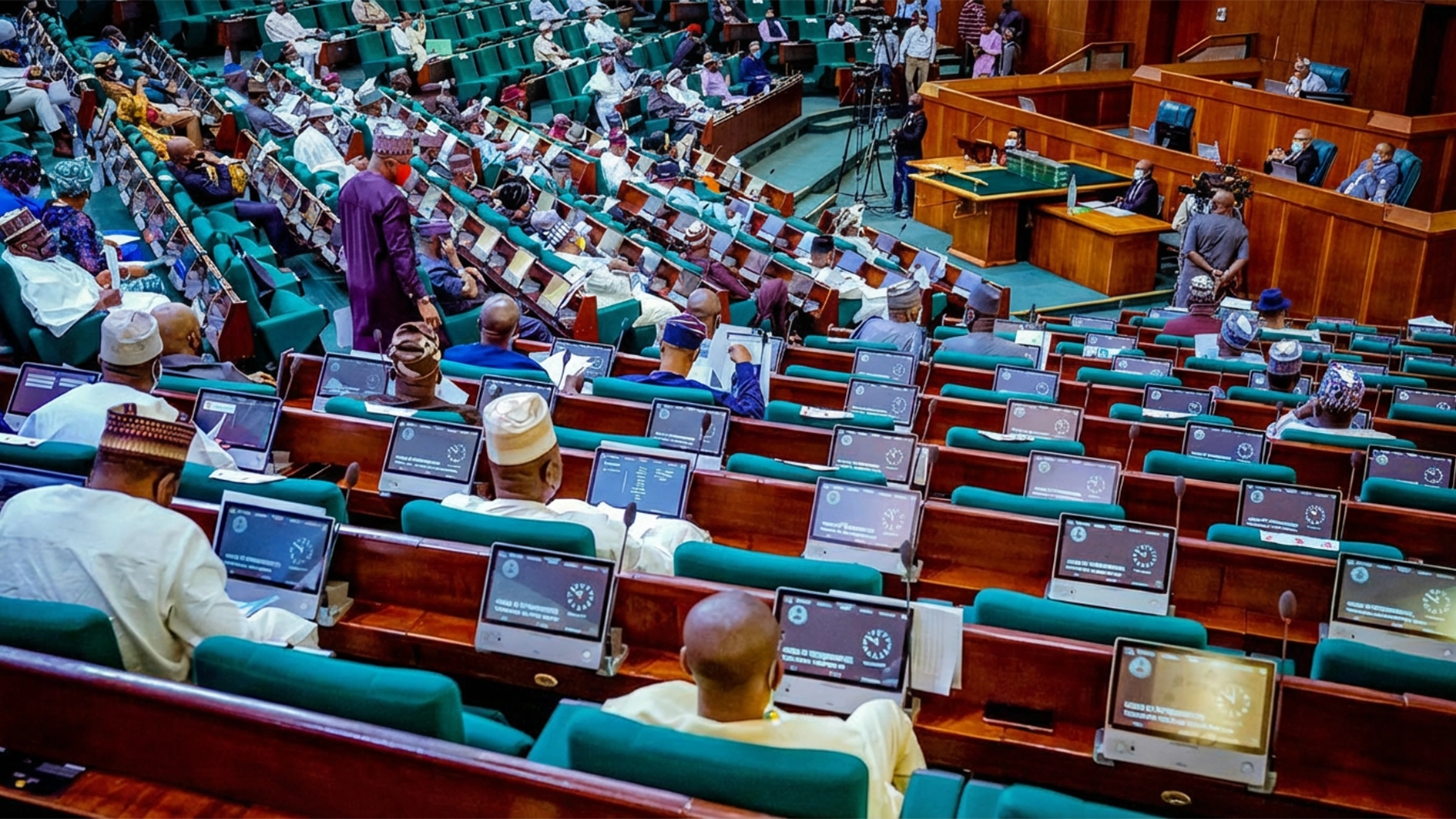
The House of Representatives on Thursday took a major step toward restructuring Nigeria’s security framework, passing the State Police Bill after an overwhelming majority of lawmakers voted in support of the proposal.
The bill, which seeks to decentralise Nigeria’s policing system and allow states to establish their own police formations, received the backing of 289 lawmakers during plenary, while only one member voted against it. The Speaker of the House, Tajudeen Abbas, abstained from voting.
The development marks one of the most significant legislative moves in recent years aimed at addressing the country’s worsening security challenges, including rising incidents of kidnapping, banditry, communal violence and killings across several regions.
The House convened to consider the legislation amid growing public demands for a more effective and responsive policing system capable of tackling insecurity at the grassroots level.
Proponents of state policing have long argued that Nigeria’s centrally controlled police structure is overstretched and lacks the local intelligence required to effectively combat emerging security threats across the country’s diverse communities.
Supporters also maintain that state-controlled police formations would improve response times, strengthen community policing and enhance coordination between local authorities and security agencies.
Shortly before deliberations commenced, a member representing a constituency in Kaduna State, Bashir Zubairu of the African Democratic Congress (ADC), raised a point of order, expressing concern over the timing of the circulation of the committee report.
READ ALSO: State Police constitutional amendment nears as Tinubu administration advances security reform agenda
According to him, lawmakers were only provided with the report prepared by the House Committee on Constitution Review on the day of the debate, leaving members with insufficient time to study its contents.
“Mr Speaker, this document was only made available to lawmakers in the chambers, and we are yet to go through it. We cannot do justice to it because we have not gone through it,” Zubairu said during plenary.
However, Speaker Abbas ruled the objection out of order and proceeded with consideration of the bill.
As deliberations continued, intermittent shouts of “Point of Order” echoed across the chamber, but the presiding officer maintained control of proceedings and guided lawmakers through the clauses of the proposed legislation.
Before the vote was taken, Abbas informed lawmakers that the House’s electronic voting system was not functioning, necessitating an alternative voting procedure.
As a result, voting was conducted based on attendance records.
Out of the 290 members present during the session, 289 voted in favour of the bill, while one lawmaker opposed it. The Speaker abstained in keeping with parliamentary convention.
The overwhelming support reflected the growing consensus among lawmakers that Nigeria’s current security architecture requires substantial reforms to address escalating security threats nationwide.
The issue of state police has remained one of the most debated constitutional and security reforms in Nigeria over the past two decades.
Advocates argue that decentralising policing powers would bring law enforcement closer to local communities and improve intelligence gathering.
Opponents, however, have expressed concerns that state governors could abuse state police formations for political purposes, intimidate opponents, or interfere with democratic processes.
Successive administrations have grappled with the proposal without achieving legislative approval, making Thursday’s vote a significant milestone in the ongoing conversation about security sector reform.
The passage of the bill by the House represents a critical stage in the legislative process, but further constitutional procedures are expected before state policing can become operational.
Observers say details regarding the structure, funding, oversight mechanisms, recruitment processes and operational responsibilities of state police formations will be closely scrutinised as the proposal advances through the remaining legislative and constitutional amendment stages.
Security experts have repeatedly stressed that any state police framework must include robust safeguards to prevent political interference while ensuring accountability and respect for human rights.
With insecurity continuing to dominate national discourse, the House’s approval of the State Police Bill is expected to intensify discussions among policymakers, state governments, security agencies and civil society groups over the future of policing in Nigeria.
If eventually adopted, the reform could fundamentally reshape Nigeria’s law enforcement system and mark one of the most far-reaching security policy changes since the country’s return to democratic rule in 1999.


-

 Latest5 days ago
Full List: Meet the 2026 Nobel Prize winners across six categories
-

 Football5 days ago
Premier League Matchweek 7: Five Fixtures That Could Shape the Weekend
-

 Latest4 days ago
Umahi defends Lagos-Calabar highway route changes amid public outcry
-

 Business3 days ago
Dangote Refinery IPO: 70% Subscription claim meets fourfold demand assertion as investors seek clarity
-
Business4 days ago
Dangote Refinery IPO Extension: Was the 70% subscription report overhyped?
-

 Latest2 days ago
UCTH faces morgue crisis as 50 unclaimed corpses await mass burial
-

 Featured4 days ago
El-Rufai, ADC governorship candidate’s court appearance puts Kaduna opposition politics in focus
-

 Business2 days ago
BREAKING: Nigeria’s Inflation Rate Drops to 14.63% in September