
Latest
25,794 Nigerians killed in violent crises in Buhari’s first term

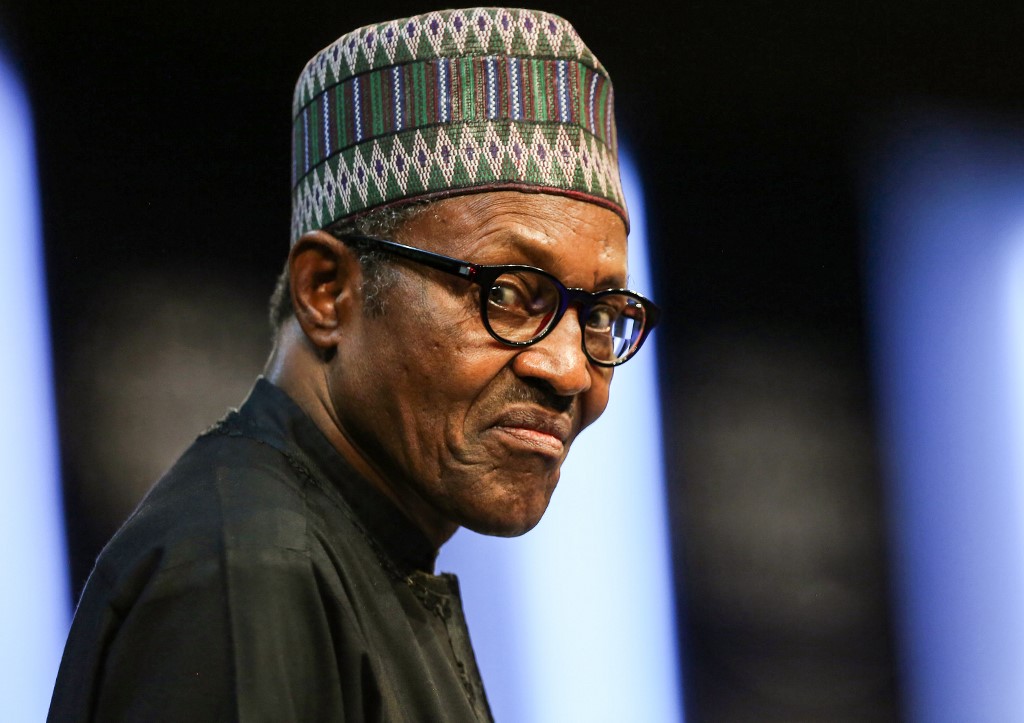
No fewer than 25, 794 Nigerians may have died in violent crises in the first four years of President Muhammadu Buhari.
The figure was released by the Nigeria Security Tracker, a project run by the Council on Foreign Relations, a nonprofit think tank specialising in United States foreign policy and international affairs.
The number represents those killed by different insurgent groups and Boko Haram in northern Nigeria, herdsmen, and people who died due to extra-judicial activities of the military.
From June 2015 to May 2019, when the President had his first tenure, our correspondent observed that Borno suffered the highest casualties recording 9,303 deaths. The state was followed by Zamfara (1,963) and Adamawa (1,529).
Others captured in the map are Kaduna (1,488), Plateau (771), Taraba (649), Benue (1,642), Niger (252) Rivers (730), Cross River (467), Ogun (301), among others.
Graphical illustration revealed that the highest casualties were recorded in July 2015 (1,299) and January 2019 (1,077).
Within the four years timeline, members of the Boko Haram sect were responsible for 5,598 deaths, while sectarian violence, including the herdsmen-farmers crisis, led to 4,917 deaths.
State actors alone, including the military, were said to have killed 4,068 people.
During the tenure of former President Goodluck Jonathan (June 2011 to May 2015), a total of 34,884 people were reportedly killed across the country.
The highest record of casualties was in March 2014, when 3,456 Nigerians were killed.
Boko Haram and the military were jointly responsible for 12,765 deaths.
ALSO READ:Crisis brews between Tinubu, Buhari over Ambode appointment as minister
The Council on Foreign Relations, while explaining the methodology behind the data, said it relied on media reports.
The report said, “The Nigeria Security Tracker tracks violence that is both causal and symptomatic of Nigeria’s political instability and citizen alienation. The data are based on weekly surveys of Nigerian and international media.
“The data start with May 29, 2011, the date of Goodluck Jonathan’s inauguration as president. It was an event that highlighted the increasing bifurcation of the country on regional and religious lines. The NST is updated weekly.
“Relying on press reports of violence presents methodological limitations. There is a dearth of accurate reporting across certain regions, death tolls are imprecise, and accounts of incidents vary. There is the potential for political manipulation of media. Given these limitations, the NST makes every effort to collect information from multiple sources. Nevertheless, NST statistics should be viewed as indicative rather than definitive.”
| ReplyReply allForward |


-
 Latest1 week ago
Israel marks 3 years since October 7 Hamas attack amid Gaza strikes, election debate
-

 Energy1 week ago
Fuel Battle: Dangote, marketers and government clash over petrol imports
-

 Latest2 days ago
Full List: Meet the 2026 Nobel Prize winners across six categories
-
 Featured6 days ago
103 Million Voters: What does INEC’s new register say about Nigeria’s population?
-

 Business1 week ago
Nigerian startup 3650HQ moves to cut rising WhatsApp costs for businesses
-

 Football2 days ago
Premier League Matchweek 7: Five Fixtures That Could Shape the Weekend
-

 Business7 days ago
The Ministry of Commerce of Loveworld gets a $1 million boost for new investment fund at LTIF 2026 to promote Trade in Ghana
-

 Features7 days ago
Edo’s 2.5 million vote promise: Can the numbers match the politics?