
News
Economy deteriorates further as failed policies mar Buhari’s presidency

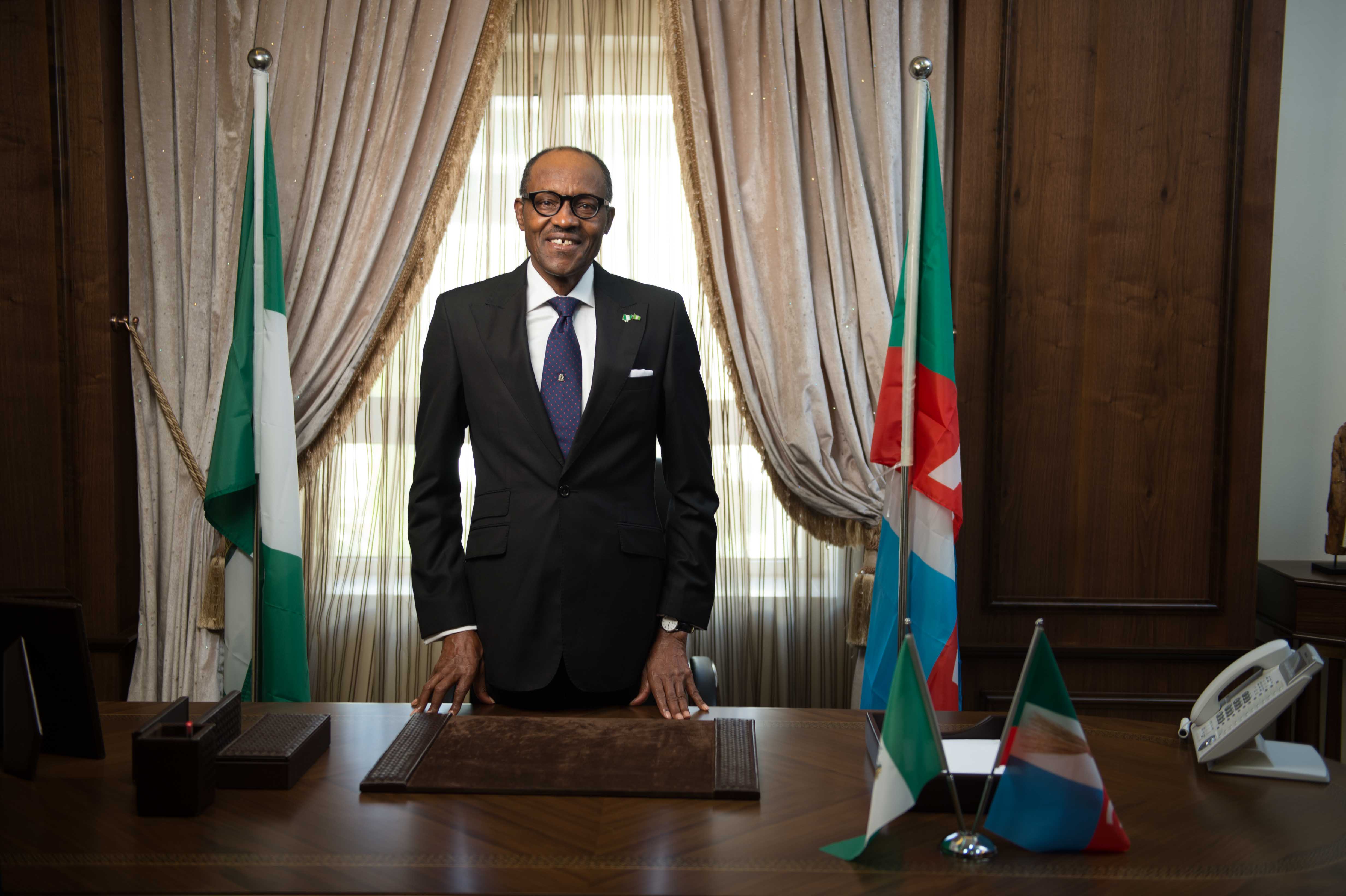
- 1.5 million Nigerians out of jobs in 2016
With over 40 per cent of small businesses in the country closed down and about 1.5 million Nigerians out of jobs in 2016, President Muhammadu Buhari who won praises last year after ending 16-year of People’s Democratic Party rule in the country is facing a firestorm of criticism.
Unemployment rate grew from 12.1 per cent in the first quarter of 2016 to 13.3 perc cent in the second quarter while inflation rates continued to rise, from 17.1 in June, 2016 to about 18.48 per cent in November.
All the economic policies of the present administration seems to have backfired, having severe and negative impact on the economy. President Buhari had last year pledged the naira would become as strong as the dollar, but the reverse is the case, as the naira hit record low after the CBN removed its peg in May, and currently trades at N492 to a dollar at the parallel market.
Also in other to encourage local productions, the administration had restricted access to forex by 41 imported items earlier this year, and like other decisions, it backfired. Many businesses had since crumbled due to lack of raw materials.
According to the Nigeria Labour Congress, the difficulties being faced by Nigerians clearly shows that the economic policies of the government have not been effective so far.
NLC General Secretary, Peter Ozo-Eson, who called for a review of government’s economic policies, said, “Government needs to rethink and review its policies in order to ensure that the various difficulties are overcome.”
As for the National President of the Nigerian Association of Chambers of Commerce, Industry, Mines and Agriculture, Chief Bassey Edem, the present administration did not even have any economic policies in the first place. “Before we talk about economic policies not working, are there even policies in the first place? What are this administration’s economic policies?”
The Spokesperson for the International Centre for Peace Charities and Human Development, Mr. Clement Iornongu, said, “Right from the beginning of this administration, it was clear that it had no economic directions.
“He made a lot of promises that people bought into, and some of these he has denied or failed to keep,” Clement Nwankwo, executive director of the Policy and Legal Advocacy Centre in the capital, Abuja, said in an interview.
Sensing the dwindling support, Buhari urged Nigerians on Dec. 12 “not to lose faith in the ability of this administration to make a difference in the lives of our people.” Two days later, while presenting 2017 budget proposals to lawmakers, Buhari pledged to act to “pull the economy out of recession as quickly as possible.”










-

 Latest1 week ago
Full List: Meet the 2026 Nobel Prize winners across six categories
-

 Football7 days ago
Premier League Matchweek 7: Five Fixtures That Could Shape the Weekend
-

 Business5 days ago
Dangote Refinery IPO: 70% Subscription claim meets fourfold demand assertion as investors seek clarity
-

 Latest6 days ago
Umahi defends Lagos-Calabar highway route changes amid public outcry
-
Business6 days ago
Dangote Refinery IPO Extension: Was the 70% subscription report overhyped?
-

 Latest4 days ago
UCTH faces morgue crisis as 50 unclaimed corpses await mass burial
-

 Business4 days ago
BREAKING: Nigeria’s Inflation Rate Drops to 14.63% in September
-
 Featured6 days ago
El-Rufai, ADC governorship candidate’s court appearance puts Kaduna opposition politics in focus