
Featured
Ex-Police chiefs’ governorship bids spark debate over source of political funding

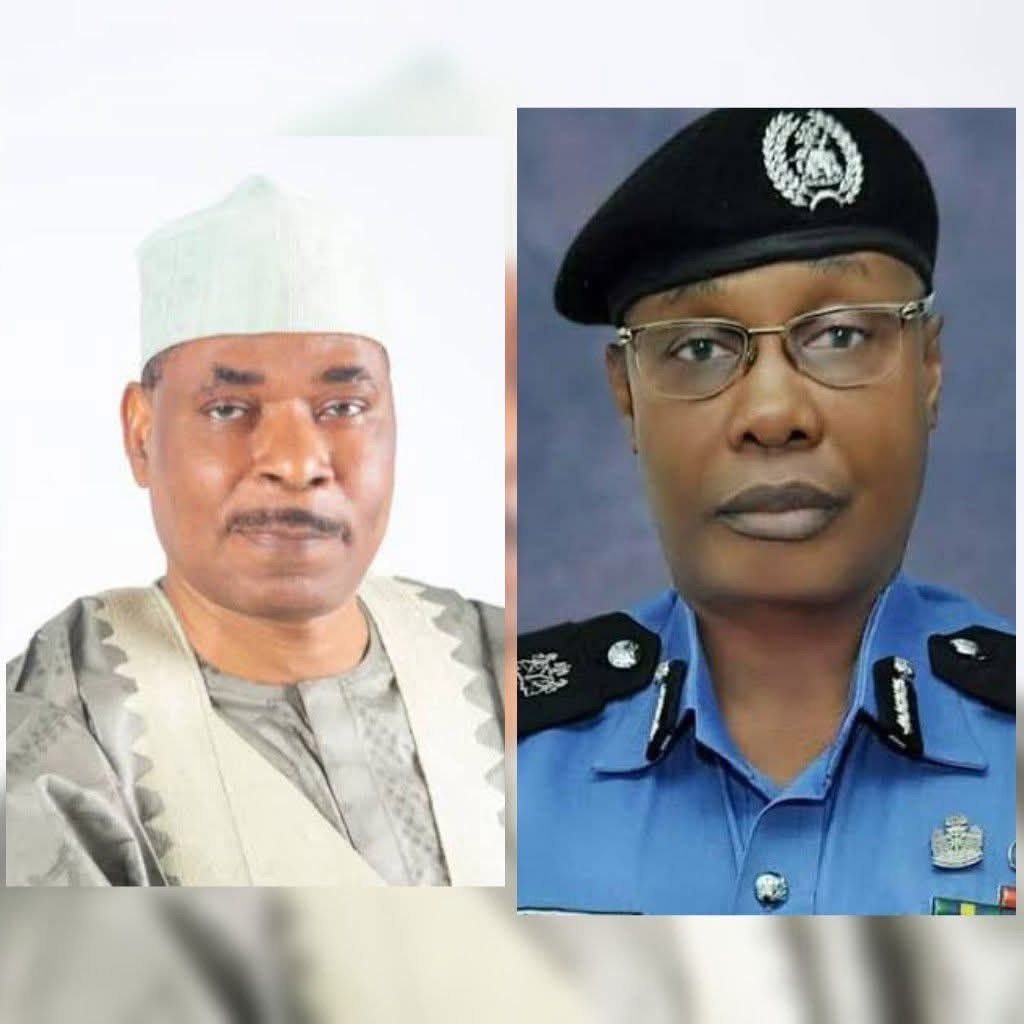
The reported governorship ambitions of two former Inspectors-General of Police under ex-President Muhammadu Buhari Abubakar Mohammed Adamu and Usman Alkali Baba have sparked fresh public debate over the financial capacity of retired public officials and the rising cost of politics in Nigeria.
Both former police chiefs reportedly purchased All Progressives Congress (APC) nomination and expression of interest forms valued at about ₦50 million each to contest governorship tickets in Nasarawa and Yobe States respectively.
Beyond the cost of nomination forms, political observers note that governorship contests in Nigeria often require substantial additional spending on consultations, delegate mobilization, campaign logistics, media outreach, travel, security, and other operational expenses that can push overall campaign costs into hundreds of millions of naira.
The development has therefore raised questions among sections of the public about how former career public servants are able to finance such expensive political ambitions shortly after leaving office.
Adamu served as Inspector-General of Police from 2019 to 2021, while Baba held the position from 2021 to 2023 under the Buhari administration.
The issue has generated intense discussion on social media, with some Nigerians questioning whether the financial requirements of major political contests have effectively excluded ordinary citizens from participating in governance.
Others argue that former senior government officials often build influential political and business networks during and after public service, enabling them to attract support and funding for political campaigns.
However, no evidence has been presented linking either former police chief to any financial misconduct, and neither Adamu nor Baba has publicly responded to the growing debate surrounding their political ambitions and financial capacity.
Political analysts say the controversy reflects wider frustrations over economic hardship, unemployment, and the perceived disconnect between ordinary citizens and political elites.
The high cost of nomination forms and electioneering has repeatedly drawn criticism from civil society groups, who argue that Nigeria’s political system increasingly favours wealthy individuals and entrenched power structures.
Analysts also note that questions about transparency and accountability in political financing are likely to remain central issues ahead of future elections, particularly as more former public officials transition directly from government service into partisan politics.
The APC has not commented on the concerns raised regarding the affordability of its nomination forms or the broader debate generated by the former police chiefs’ governorship aspirations.


-
 Latest5 days ago
Israel marks 3 years since October 7 Hamas attack amid Gaza strikes, election debate
-

 Energy5 days ago
Fuel Battle: Dangote, marketers and government clash over petrol imports
-

 Energy6 days ago
Petrol, diesel prices rise 86% in 2026 as costs hit fresh highs
-
 Energy7 days ago
Has Iran lost control of the Strait of Hormuz? Oil flows rebound as war disruptions persist
-

 Football6 days ago
Nigeria’s World Cup exit under spotlight as FIFA’s DR Congo files emerge
-
 Latest6 days ago
US Court set to rule on release of FBI, DEA records on Tinubu
-
 Business6 days ago
Nigerian investors at a crossroads as fixed-income yields slide
-

 Business7 days ago
LoveWorld Trade and Investment Forum to Convene Business Leaders in Accra