
Business
Expect key policy reforms in first half of 2024—Rewane

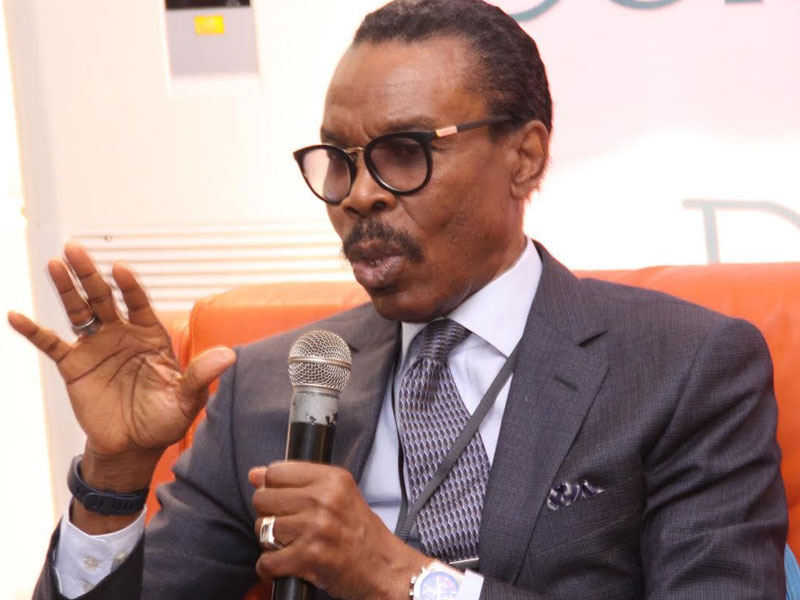
CEO of Financial Derivatives Company, FDC, Bismarck Rewane, says the Nigerian business community should expect key policy reforms and announcements in the first half of 2024, and will require a period for adjustments and impact on the economy.
Rewane disclosed this as a keynote speaker at the 2024 Lagos Chamber of Commerce and Industry, LCCI economic outlook, which discussed the theme “Building Economic Resilience In 2024: Strategies for a Sustainable Future.”
He informed the business community that the economic recovery period should take shape from 2025.
He highlighted debt restructuring (externally), increase in interest rates (domestic), efficient money supply management, efficient foreign exchange management, cost reflective tariff, reduction in petrol subsidy and wage review as part of the inevitable policy changes in 2024.
He noted that the sequencing of policy reforms entailed doing the right things in small doses, which is important to gain the confidence of creditors, investors, consumers, and citizens.
Mr. Rewane identified concessioning in Nigeria’s infrastructure space as a critical decision the Federal Government should fully implement. “Through the concession of major expressways in the country, business opportunities will be unlocked, and the logistics issues for sectors like agriculture and manufacturing will be addressed,” He said.
READ ALSO: How FG policy on diplomatic passport affected my tenure as WMA president–Enabulele
According to him, this will address the intersectoral linkage challenge in Nigeria, which he admitted is currently weak and adversely affecting economic productivity.
The economist said, “Increased infrastructure investment will strengthen inter-sectoral linkages, which will buoy output and reduce inflation. Leading to a virtuous cycle of prosperity.”
Assessing the foreign exchange market, he called for a system enabling price discovery, efficiency, and transparency, reiterating the need to disclose the true state of Nigeria’s net foreign reserves.
In his opening remarks, the President of the LCCI Mr. Gabriel Idahosa described the event as an opportunity to discuss emerging economic issues and implications for businesses and households and their impact on the Country’s outlook.
He said, “Inflation is expected to gradually ease as the effects of last year’s exchange rate reforms and removal of fuel subsidies fade. However, downside risks to growth prospects include rising cost of living, weak business environment, poor manufacturing performance and rising unemployment.”
The LCCI President also noted that policy reforms by the government in 2023, especially the removal of fuel subsidies and floating of the exchange rate, are expected to boost fiscal revenue and contribute moderately to the improvement of the country’s growth prospect in 2024.





-
 Latest6 days ago
Israel marks 3 years since October 7 Hamas attack amid Gaza strikes, election debate
-

 Energy5 days ago
Fuel Battle: Dangote, marketers and government clash over petrol imports
-

 Energy7 days ago
Petrol, diesel prices rise 86% in 2026 as costs hit fresh highs
-

 Energy1 week ago
Has Iran lost control of the Strait of Hormuz? Oil flows rebound as war disruptions persist
-

 Football6 days ago
Nigeria’s World Cup exit under spotlight as FIFA’s DR Congo files emerge
-

 Latest6 days ago
US Court set to rule on release of FBI, DEA records on Tinubu
-
 Business6 days ago
Nigerian investors at a crossroads as fixed-income yields slide
-

 Business1 week ago
LoveWorld Trade and Investment Forum to Convene Business Leaders in Accra