
Business
Fitch releases ratings on Sterling Bank, IBTC

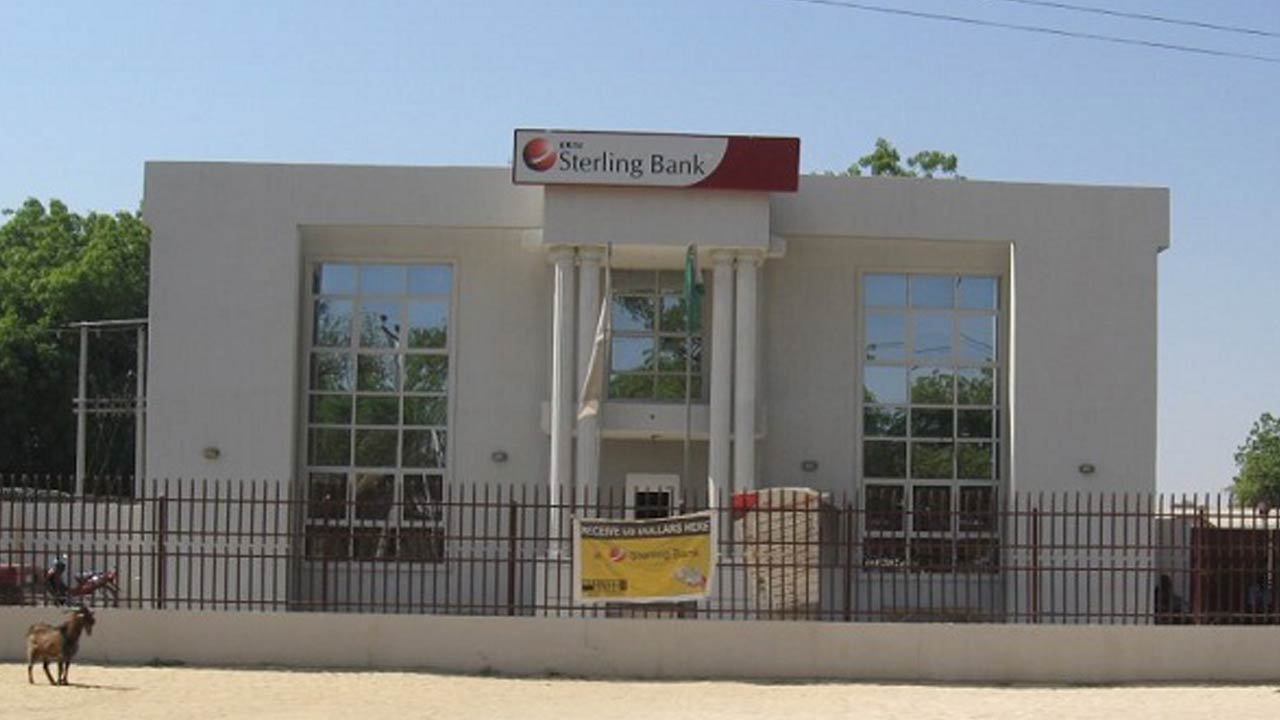
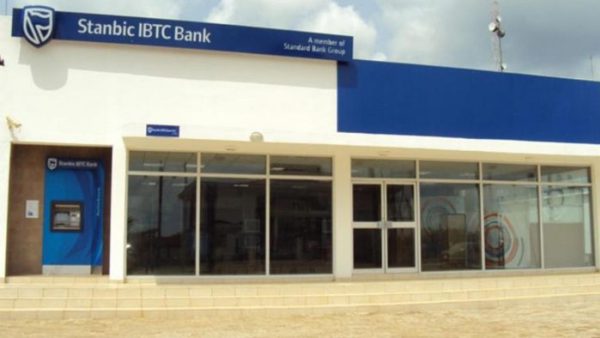
Fitch Ratings has retained its ‘AAA’ national rating on Stanbic IBTC Holdings Plc as well as Stanbic IBTC Bank Limited, just as it assigned Sterling Bank Plc a long-term Issuer Default Rating (IDR) of ‘B-‘ and a national long-term rating of ‘BBB-(nga)’. It also assigned a stable outlook on Sterling Bank.
It explained that its rating on Stanbic IBTC reflected the credit worthiness of the bank and the holding company. The ‘AAA’ national rating is assigned to institutions with the lowest relative risk.
In arriving at the rating for Stanbic IBTC, Fitch took account of the strong parental support from Standard Bank Group, to which Stanbic IBTC Holdings belong. The parent company provides support in such areas as staff training, provision of information technology upgrades and best practice processes as well as strong corporate governance practices.
In the report, the rating agency also reviewed the capital adequacy of Stanbic IBTC in compliance with regulations and concluded that it was very strong and compare favourably against peers.
The Chief Executive of Stanbic IBTC Holdings, Mr. Yinka Sanni, said the ratings were a clear testament of the financial institution’s strength, strong leadership and the unyielding support of its parent company.
He reiterated Stanbic IBTC’s commitment to the Nigerian market and pledged it will continue to provide support to all sectors of the economy in order to keep moving individuals and businesses forward.
Meanwhile, Fitch in its rating on Sterling Bank explained that the bank’s IDRs were driven by its standalone creditworthiness as defined by its Viability Rating (VR).
“The VR is constrained by challenging operating conditions in Nigeria, the bank’s modest franchise and developing business model, weaknesses in its financial profile, and its higher risk appetite than peers.
ALSO SEE: Telcos owe FG N143Bn in taxes — Reps
“These factors are counterbalanced by Sterling’s coherent strategy, especially its business transformation initiatives, and strong management team.
“Sterling’s financial profile is characterised by high credit concentrations, variable earnings and profitability, modest capital buffers based on its risk profile, and its structurally weak funding and liquidity profile.
“Sterling has a high exposure to the oil and gas sector, representing 45 per cent of gross loans at end- nine month 2017, mainly to mid-sized corporates.
“Around 38 per cent of the bank’s loans at end-nine month 2017 were in foreign currency, exposing it to currency volatility,” the report added.
Based on prudential requirements (all loans that are 90 days overdue), Sterling’s NPL ratio was 6.1 per cent at the end of the first nine months of 2017.



-

 Featured1 week ago
Inside INEC’s race to prepare for Nigeria’s 2027 elections
-

 Featured1 week ago
2027: APC unveils nationwide campaign timetable, Tinubu to rally in 12 states
-
 Business4 days ago
Naira faces exchange rate gap as Dollar hits N1,380 on parallel market
-
 Business1 week ago
Court dismisses ₦170m Trade Fair contract claim, says Zenith Bank was not a party
-

 Latest1 week ago
Breaking: NNPCL raises petrol price to ₦1,405 per litre amid discount controversy
-

 Featured1 week ago
From kitchen to Supreme Court: Nigerian’s fight over alleged support for terrorists
-

 Football1 week ago
Maresca reveals Guardiola’s reaction to Man City’s 4-2 defeat to PSG
-

 Business6 days ago
NCC launches Internet Governance Working Group to tackle AI risks, boost online safety