
Crime
ISWAP new leader killed, NSA reveals

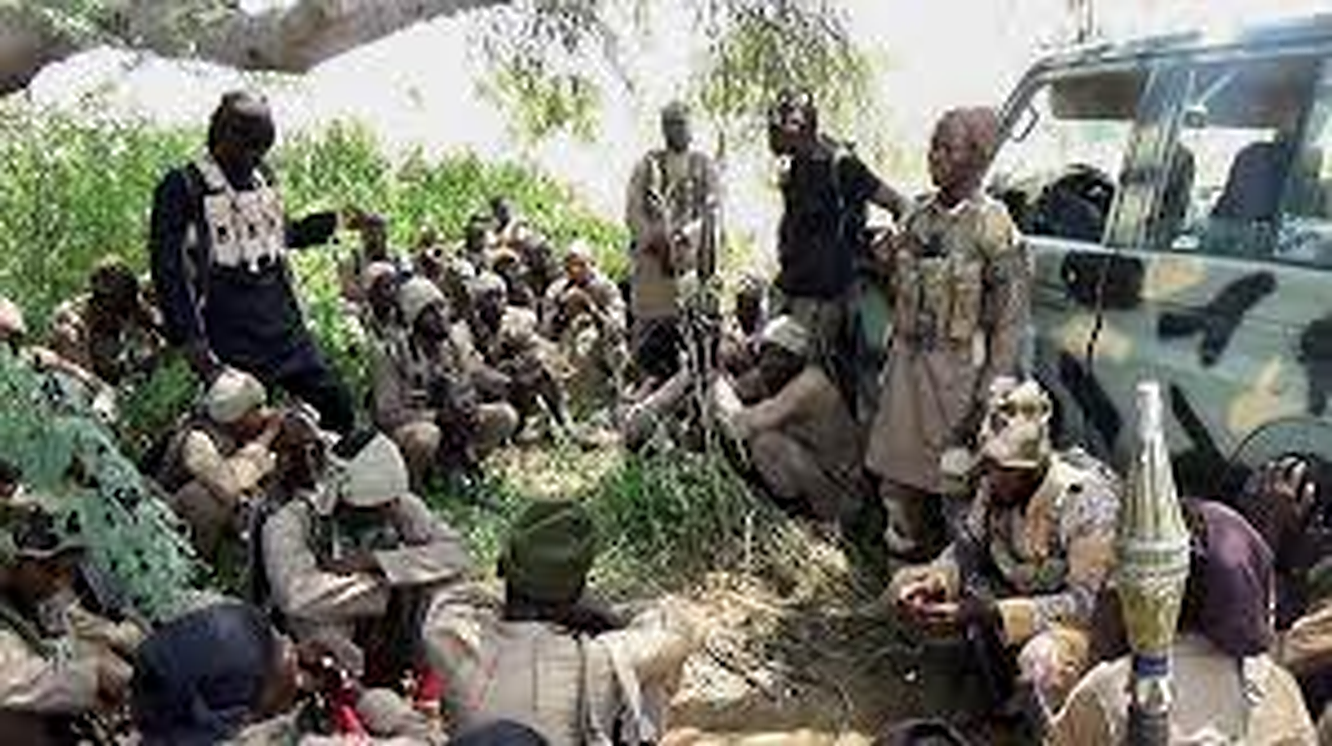
NSA Babagana Monguno has announced the killing of the successor of Abu Musab Al-Barnawi, the late leader of the Islamic State of West African Province (ISWAP).
Monguno revealed this when he addressed State House correspondents on the outcome of the meeting of security chiefs, presided by President Muhammadu Buhari, at the State House, Abuja, on Thursday.
Monguno disclosed that Abu Musab’s successor, Malam Bako, was killed along with a prominent member of the ISWAP.
“The fact again is that the armed forces, the land forces have done an excellent job because in the span of one month we have been able to take out the leadership of the Islamic State of West African Province (ISWAP) – that is Abu Musab Al-barnawi.
“Two days ago, the man who succeeded him, one Malam Bako, one of the prominent leaders of the Shura Council of the Islamic State of West African Province, was also taken out.
“They are also contending with a leadership crisis. You know these things are also accompanied with inherent issues of trust, conflicts, mutual suspicion and other things.
“So, the operations being conducted by the armed forces in the Northern parts of the country put a lot of pressure on the Islamic State of West African Province, Boko Haram and also the tangential group known as Islamic State in the Greatest Sahara.’


-
 Latest6 days ago
Full List: Meet the 2026 Nobel Prize winners across six categories
-

 Football5 days ago
Premier League Matchweek 7: Five Fixtures That Could Shape the Weekend
-

 Latest5 days ago
Umahi defends Lagos-Calabar highway route changes amid public outcry
-

 Business4 days ago
Dangote Refinery IPO: 70% Subscription claim meets fourfold demand assertion as investors seek clarity
-
Business5 days ago
Dangote Refinery IPO Extension: Was the 70% subscription report overhyped?
-

 Latest3 days ago
UCTH faces morgue crisis as 50 unclaimed corpses await mass burial
-
 Featured5 days ago
El-Rufai, ADC governorship candidate’s court appearance puts Kaduna opposition politics in focus
-

 Business3 days ago
BREAKING: Nigeria’s Inflation Rate Drops to 14.63% in September