
Business
Lagos State targets N200bn annually from freelancers, influencers, others

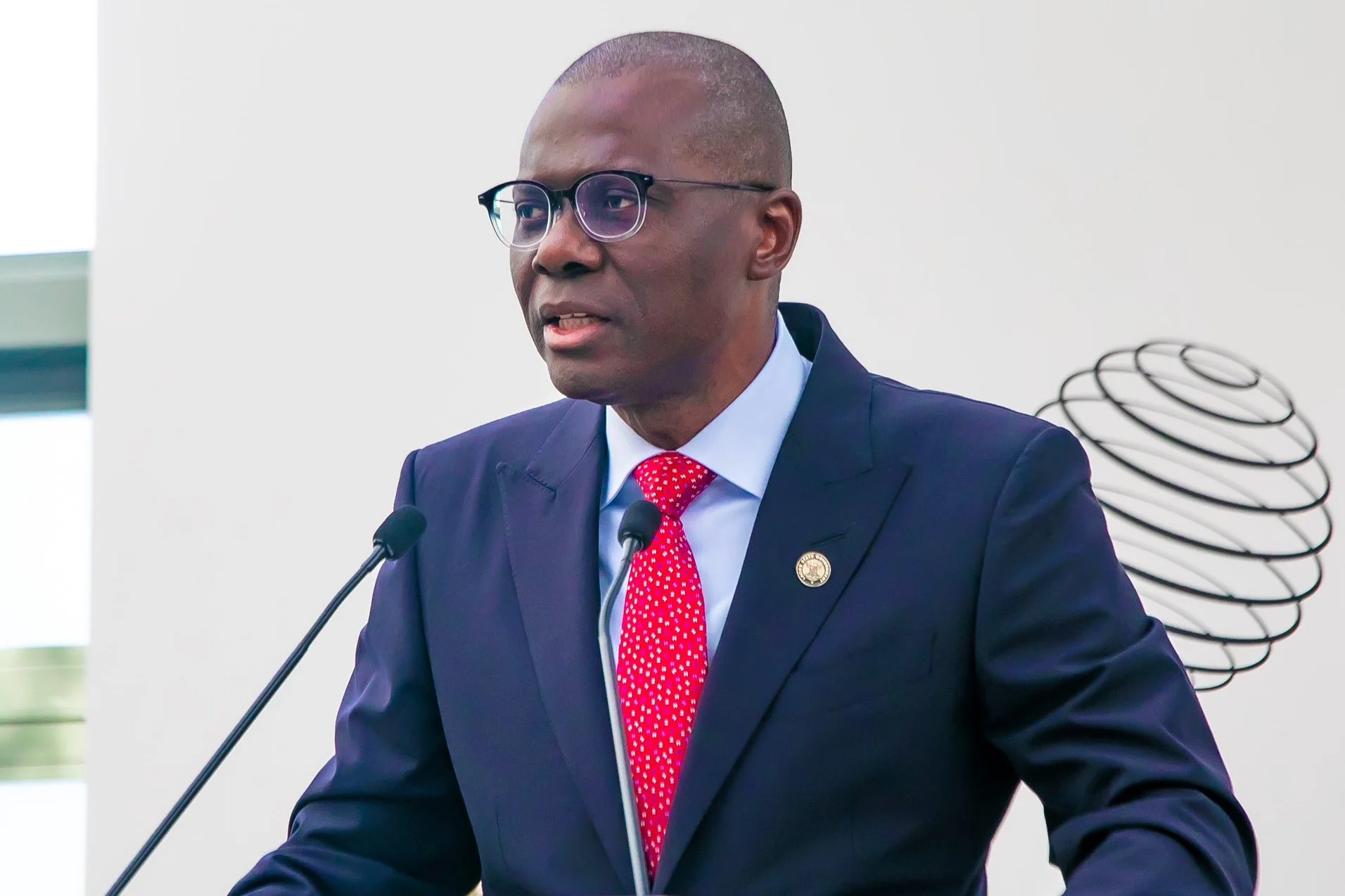
The Lagos State government has unveiled plans to generate N200 billion annually by broadening its income tax base to include freelancers, influencers, and other digital economy participants.
This initiative is part of a broader strategy to boost the state’s internal revenue to N5 trillion, which will be discussed at the upcoming ‘EKO Revenue Plus Summit’ on September 25 and 26, 2024.
The summit, themed ‘Unlocking New Revenue Streams for Lagos State,’ will focus on strategies to enhance the state’s fiscal capacity, including the use of digital solutions for more efficient revenue collection.
“We have identified four core sub-sectors of the state’s economy with the potential for significant additional revenue generation, aiming to achieve an additional IGR of about N2.73 trillion,” the government announced.
READ ALSO: Lagos State Government clarifies stance on building permits
The prioritized sub-sectors are property, the digital economy, the informal sector, and the circular economy, supported by energy and Independent Power Projects (IPPs) as catalysts for overall economic development.
A key element of this plan is the digital economy, where Lagos State intends to introduce a resident global digital citizen tax management system.
This system will target remote workers employed by foreign firms, freelancers, gig workers, influencers, and operators within the shared economy.
The plan also includes the accreditation and licensing of digital economy practitioners and operators, such as platform owners, e-commerce operators, online education platforms, and food delivery services.
READ ALSO: Sanwo-Olu plans to ultra-modern market in Lagos after visit to Rungi International Market in Paris
The government aims to generate N200 billion annually from approximately two million people engaged in this sector. The digital economy in Lagos is estimated to be valued between $20 and $25 billion, accounting for about 10% of the state’s gross domestic product (GDP).
“The digital economy in Lagos is growing at a rapid pace, with estimates suggesting a 20-25% annual growth rate,” the government noted.
Additional revenue initiatives within the digital economy sector include the digitization of government services, data monetization, the establishment of a Lagos State fintech hub, and a software development center.
The government also plans to launch a digital economy acceleration hub, a state advertisement network, and a blockchain and tokenization agenda, while collaborating with the federal government on implementing a digital service tax (DST).


-
 Latest6 days ago
Israel marks 3 years since October 7 Hamas attack amid Gaza strikes, election debate
-

 Energy5 days ago
Fuel Battle: Dangote, marketers and government clash over petrol imports
-

 Energy7 days ago
Petrol, diesel prices rise 86% in 2026 as costs hit fresh highs
-

 Energy1 week ago
Has Iran lost control of the Strait of Hormuz? Oil flows rebound as war disruptions persist
-

 Football6 days ago
Nigeria’s World Cup exit under spotlight as FIFA’s DR Congo files emerge
-

 Latest6 days ago
US Court set to rule on release of FBI, DEA records on Tinubu
-

 Business6 days ago
Nigerian investors at a crossroads as fixed-income yields slide
-

 Business1 week ago
LoveWorld Trade and Investment Forum to Convene Business Leaders in Accra