
Business
Nigeria’s fiscal leg is sleeping – Expert


An economist and management consultant, Osilama Okuofu has described Nigeria’s fiscal policy as being dormant as against its statutory role of setting economic agenda for monetary authorities.
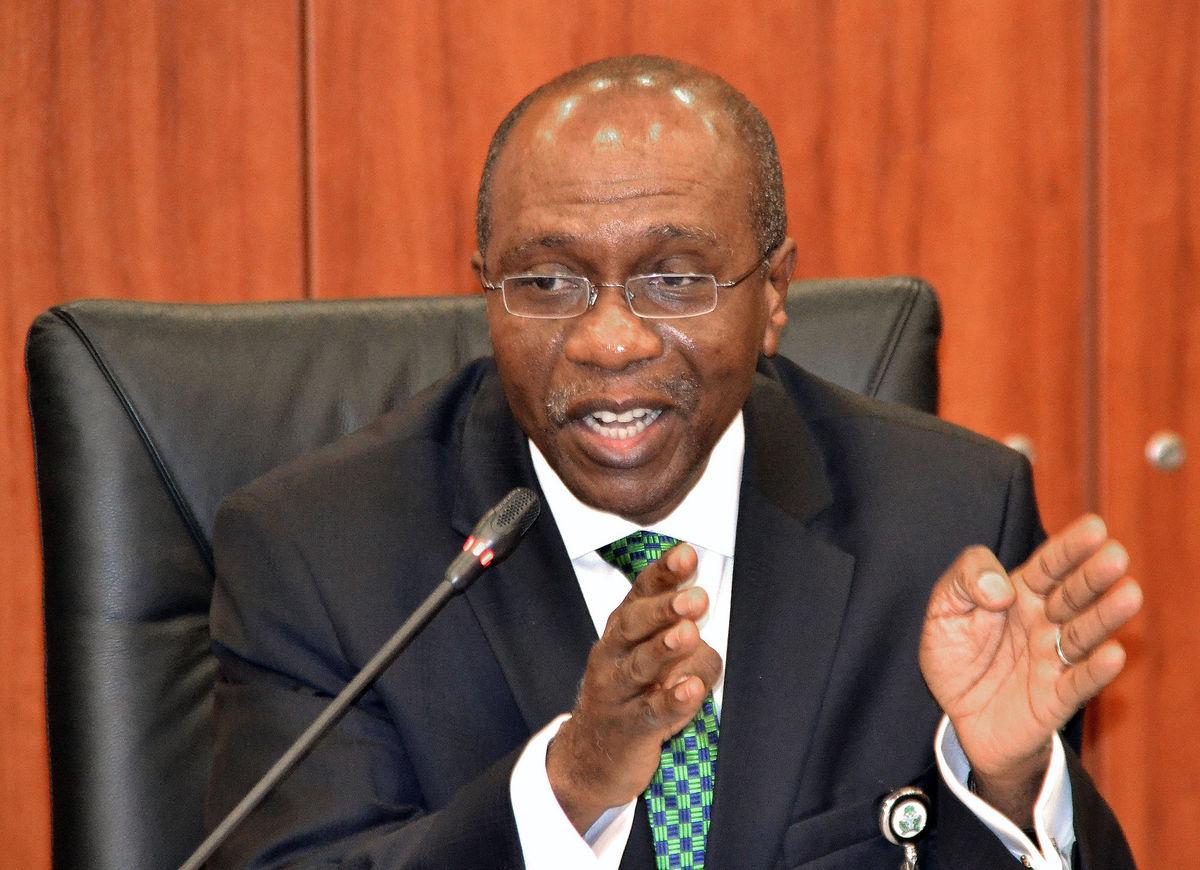
Okuofu stated this while reacting to the Monetary Policy Committee of the Central Bank of Nigeria retention of the benchmark lending rate and other monetary policy rates against a backdrop of macroeconomic stability.
In an interview with National Daily, Okuofu, said Fiscal policy and monetary policy are the two tools used by the state to achieve its macroeconomic objectives, but in a situation where the other is practically not efficient, the economy suffers.
He advised “Nigeria to create its unconventional monetary policies (UMP) and fiscal policies which are “mostly home-grown and fit for purpose.” According to him, most economies depended more on the two to get out of the financial crisis since 2008.
“CBN is doing its best, but the challenge I see is that the fiscal leg of the economy is sleeping. Fiscal leg is very essential but it is not performing. What we need to do essentially is to drive our economic growth from that perspective.”
Reacting to the MPC’ decision, Okuofu stated that the Committee’s retention of the rates didn’t come as a surprise because most of the economic headwinds have not changed.
“So, what we have seen is evidence that while we are not where we should be, we have recorded some signs of recovery. Nigerians are only hoping that this recovery continues, even at a faster rate.”
He however stated that the rates are not the only issues to consider, especially for investors, who must also considered other things such as political, economic factors of which rate is subsumed as well as social and technological factors.
Okuofu argued that with the lending rate at 14%, banks will add their profit and ultimately jack up the lending rates to customers to between 22 to 27 per cent. “The banks are not lending out money because of liquidity squeeze thereby limiting the private sector, the major driver of the economy to credit facility.”
Recall that the MPC voted to maintain status quo for the seventh consecutive session by retaining the Monetary Policy Rate (MPR) at 14.0%; Asymmetric corridor around the MPR at +200/-500bps; Cash Reserves Ratio (CRR) at 22.5%; and Liquidity Ratio (LR) at 30.0%.
The MPC members were faced with the choices of maintaining status quo, tightening, or easing monetary policy. Amid strong arguments for the three positions, the choice to support growth without jeopardizing recent gains around prices (particularly exchange rate) culminated into a decision (6 votes to 1) of holding policy rates constant, while allowing for policy flexibility as developments unfold in the macroeconomic space.




-

 Latest5 days ago
Full List: Meet the 2026 Nobel Prize winners across six categories
-

 Football5 days ago
Premier League Matchweek 7: Five Fixtures That Could Shape the Weekend
-

 Latest4 days ago
Umahi defends Lagos-Calabar highway route changes amid public outcry
-

 Business3 days ago
Dangote Refinery IPO: 70% Subscription claim meets fourfold demand assertion as investors seek clarity
-
Business4 days ago
Dangote Refinery IPO Extension: Was the 70% subscription report overhyped?
-

 Latest2 days ago
UCTH faces morgue crisis as 50 unclaimed corpses await mass burial
-
 Featured4 days ago
El-Rufai, ADC governorship candidate’s court appearance puts Kaduna opposition politics in focus
-

 Business2 days ago
BREAKING: Nigeria’s Inflation Rate Drops to 14.63% in September