
Labour
NLC threatens nationwide protest over electricity tariff hike, others


The Nigerian Labour Congress has rejected the federal government approval of the increase in electricity tariffs by the Nigerian Electricity Regulatory Commission.
Rising from its Central Working Committee on Wednesday, the NLC President, Mr. Ayuba Wabba and General Secretary, Dr. Peter Ozo-Eson, said the NLC “Re-affirmed its opposition to any price increase. It therefore resolved to mobilize Nigerian to resist any increase.”
The NLC contended that “a 45% upward increase in electricity Tariff at this point in time with the challenges in the economy, which have adversely reduced the purchasing power of ordinary Nigerians and slowed down businesses, including manufacturing, is not justifiable.
“The electricity distribution companies have continued to exploit Nigerians by estimated billing systems for the majority of consumers, while deliberately refusing to make pre-paid metres available”
“It is clear therefore that the 45% Tariff increase is an additional heavy burden on consumers and will have a telling effect on business especially manufacturing,” they stressed.
NLC demanded “that prepaid metres be made available free to all consumers, and expressed disappointment over the plan by government to re-introduce toll gates on our highways and roads.







-
 Latest6 days ago
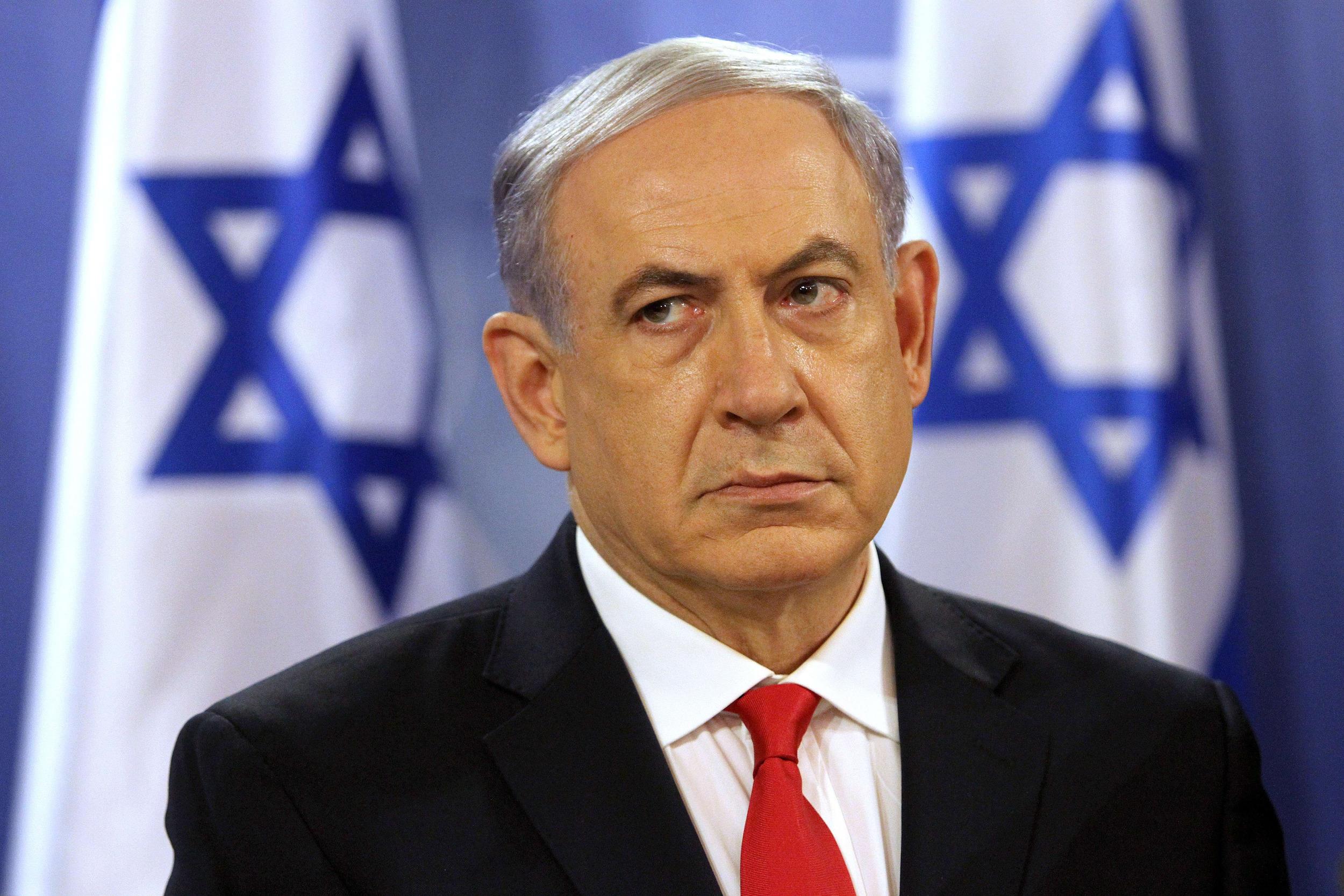
Israel marks 3 years since October 7 Hamas attack amid Gaza strikes, election debate
-

 Energy6 days ago
Fuel Battle: Dangote, marketers and government clash over petrol imports
-
 Energy7 days ago
Petrol, diesel prices rise 86% in 2026 as costs hit fresh highs
-
 Energy1 week ago
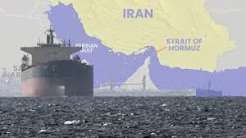
Has Iran lost control of the Strait of Hormuz? Oil flows rebound as war disruptions persist
-

 Football7 days ago
Nigeria’s World Cup exit under spotlight as FIFA’s DR Congo files emerge
-

 Latest6 days ago
US Court set to rule on release of FBI, DEA records on Tinubu
-
 Business6 days ago
Nigerian investors at a crossroads as fixed-income yields slide
-

 Business1 week ago
LoveWorld Trade and Investment Forum to Convene Business Leaders in Accra