
Energy
PIA: How Buhari lobbied Labour for silence on controversial PIB

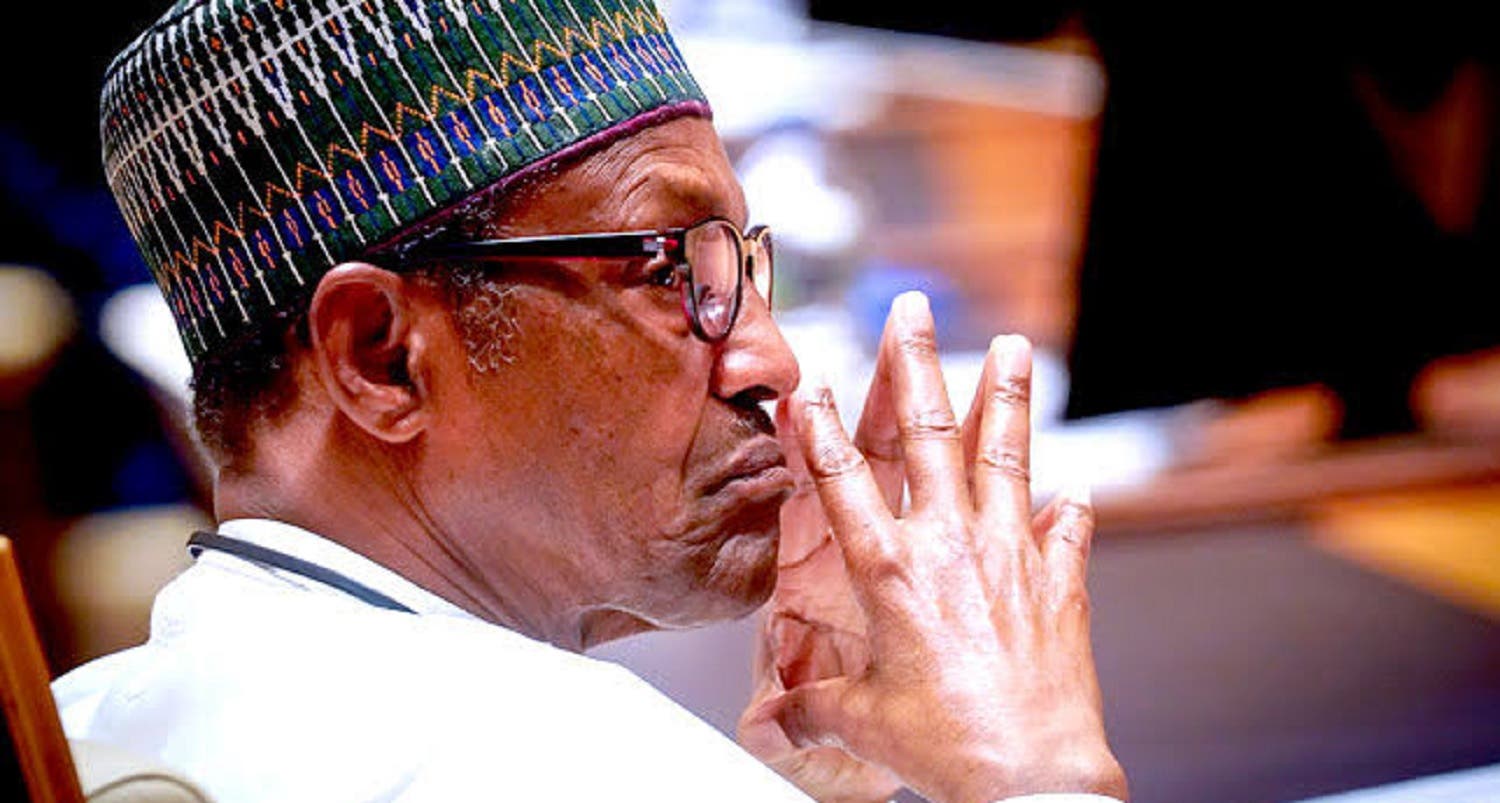
The administration of President Muhammadu Buhari had extensively lobbied the Organised Labour for silence on the controversial PIB being passed by the National Assembly and assented to by the president.
The Minister of State for Petroleum Resources, Timipre Sylva, on Wednesday revealed that the government had promised the Organised Labour that no job will be lost in the nation’s petroleum sector after the signing of the Petroleum Industry Bill into law by the president.
President Buhari had on Monday signed the PIB, which provides unpopular legal, governance, regulatory and fiscal framework for the Nigerian petroleum industry, the development of host communities, and other matters.
The minister allayed the fears of workers of job loss in the petroleum sector, assuring that the PIA implementation will rather create more jobs.
According to Timipre Sylva: “We have already made provisions in the law to ensure that no job is lost in the oil industry as a result of the PIA.
“So, no job will be lost as a result of the Petroleum Industry Act. All jobs in the petroleum industry will be intact.
“That was already taken into account, we discussed with labour extensively in the process of drafting the bill.”
The Minister maintained that the workers would have more to gain, adding that the private sector pays higher wages than government.


-
 Business1 week ago
Dangote Refinery IPO: 70% Subscription claim meets fourfold demand assertion as investors seek clarity
-
 Featured4 days ago
Inside INEC’s race to prepare for Nigeria’s 2027 elections
-

 Latest7 days ago
UCTH faces morgue crisis as 50 unclaimed corpses await mass burial
-
 Featured4 days ago
2027: APC unveils nationwide campaign timetable, Tinubu to rally in 12 states
-

 Business6 days ago
BREAKING: Nigeria’s Inflation Rate Drops to 14.63% in September
-

 Aviation1 week ago
Germany opens online application route for student, EU Blue Card and other long-stay visas
-

 Business5 days ago
President Tinubu and the Low Transport Fares Fiasco
-
 Business4 days ago
Court dismisses ₦170m Trade Fair contract claim, says Zenith Bank was not a party