
News
Police invasion of Melaye’s residence, act of silencing opposition voices – Saraki


The President of the Senate, Dr. Abubakar Bukola Saraki, on Friday,protested the invasion of the residence of Senator Dino Melaye, representing Kogi West in the National Assembly, by the Nigeria Police in Abuja.
Saraki in a tweet on his official handle @bukolasarak, described the invasion of Melaye’s home as another instance of the Police being used to suppress the rights of the citizens and silencing opposition voices.
He decried that, “This method of digging out some old charges and allegations to arrest and incarcerate political opponents has presented this current Inspector General of Police, Mr. Ibrahim Kpotum Idris, as the most partisan head of the Nigeria Police ever in the history of this country.”
The Senate President stated: “We have continued to call on the security agencies to steer clear of partisanship and be professional in their activities.
“This is not a Banana Republic. Nobody is saying the Police should not do their work in the prevention of crime and enforcement of laws. However, creating trumped up charges to implicate those who have contrary views to the administration and the President is highly unacceptable.”
Saraki remarked that “it is not because Senator Melaye is the victim this time around; this should not happen to ANY Nigerian.”


-

 Latest3 days ago
Full List: Meet the 2026 Nobel Prize winners across six categories
-
 Featured1 week ago
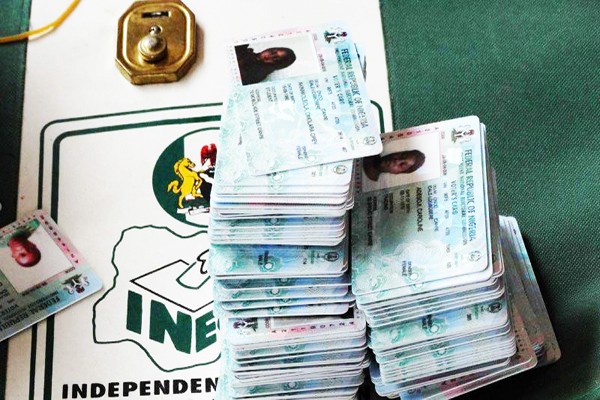
103 Million Voters: What does INEC’s new register say about Nigeria’s population?
-

 Football3 days ago
Premier League Matchweek 7: Five Fixtures That Could Shape the Weekend
-

 Business1 week ago
The Ministry of Commerce of Loveworld gets a $1 million boost for new investment fund at LTIF 2026 to promote Trade in Ghana
-

 Latest3 days ago
Umahi defends Lagos-Calabar highway route changes amid public outcry
-

 Features1 week ago
Edo’s 2.5 million vote promise: Can the numbers match the politics?
-

 Business2 days ago
Dangote Refinery IPO Extension: Was the 70% subscription report overhyped?
-
Business2 days ago
Dangote Refinery IPO: 70% Subscription claim meets fourfold demand assertion as investors seek clarity