
Featured
We borrowed more than we planned for, FG admits

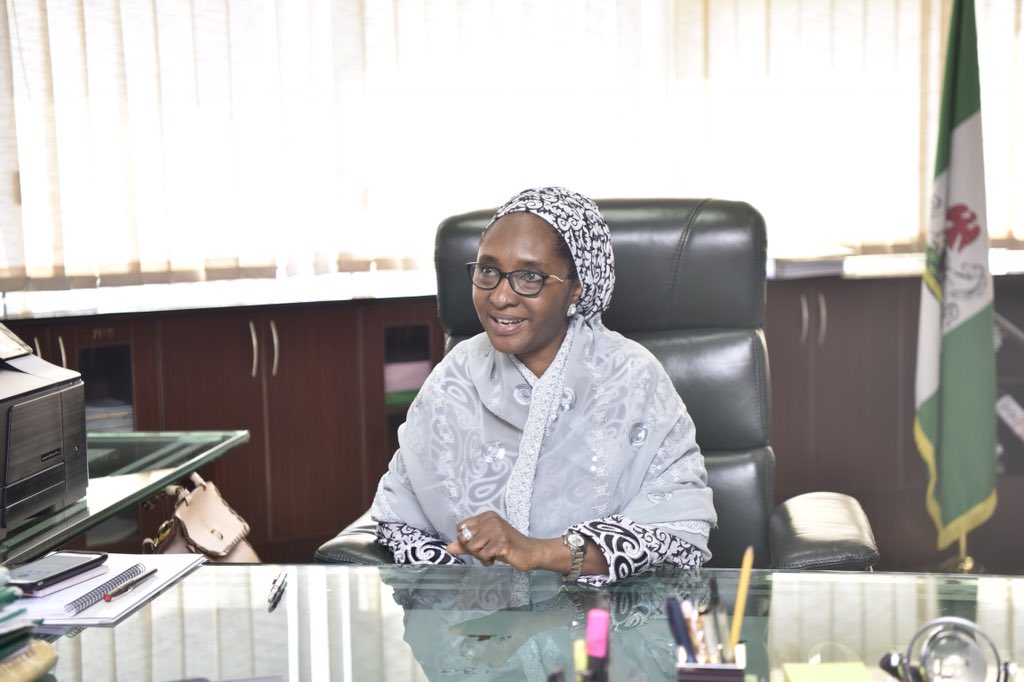
The federal government has admitted that it had to borrow more that it planned for because of the crash in oil prices and the Covid-19 pandemic in order to invest in infrastructure development using the national budget.
The Minister of Finance, Budget and National Planning, Zainab Ahmed, who disclosed this on Monday also admitted that Nigeria’s economy was facing a difficult time, saying states must improve their internally generated revenues.
While appearing on a daily breakfast show on the Nigerian Television Authority, Good Morning Nigeria, Ahmed stated that the country’s economy was stabilizing from the recession, which the country exited a few months ago.
She, however, added, “It also means we have had to borrow more than we have planned before the COVID-19 started because we need to still continue to invest in infrastructure using our national budget. We borrowed to invest in key projects such as roads, rail, airports, seaports and several other investments that are required in health and in education and upgrading the social standards and quality of life of our people and Nigeria is not unique as several countries of the world went into recession.
“Almost every other country has had to borrow more than it planned. It means we expanded our deficit very fast in 2020. 2021 is a year that we see as the year of recovery.”
She stated, “It is a very difficult time. I can explain to you how difficult it is, not just for the Federal Government but also for the states. We see increasing reductions in our FAAC revenues; FAAC revenues are the revenues that we put together every month, that are collected from both oil and non-oil sectors from the collection of the NNPC (Nigerian National Petroleum Corporation) the FIRS (the Federal Inland Revenue Service) and all other revenues collection agencies.
“So, we take funds based on Mr. President’s approval either from Excess Crude or Stabilisation Account or in some cases, President approved for us to take funds from LNG (Liquefied Natural Gas) dividends.
“In the month of March, we had a shortfall of FAAC that was about N50bn; we didn’t have enough accrued in any of those accounts other than some N8.5bn that we took from exchange rate differential account so we added that and we ended up with the FAAC of N605bn.
She stated that advice by states was rejected, adding that the three levels of government were asked to manage what was available.
“So, it was very surprising when we had a sitting governor saying that the CBN had printed money for FAAC. That was very unfortunate because it was not true. The FAAC was N60bn, the FAAC information is published so you can see the revenue contributed by each of the agencies; that is what we shared.
“Going forward, what we have been doing in the ministry of finance, budget and national planning is a plan that we have put in place to grow revenues. Our revenues have been growing but because the expenditures have been growing at a pace that is much faster than the revenue growth, the impact is not felt.


-

 Latest7 days ago
Full List: Meet the 2026 Nobel Prize winners across six categories
-

 Football6 days ago
Premier League Matchweek 7: Five Fixtures That Could Shape the Weekend
-
 Business5 days ago
Dangote Refinery IPO: 70% Subscription claim meets fourfold demand assertion as investors seek clarity
-

 Latest6 days ago
Umahi defends Lagos-Calabar highway route changes amid public outcry
-
Business6 days ago
Dangote Refinery IPO Extension: Was the 70% subscription report overhyped?
-

 Latest4 days ago
UCTH faces morgue crisis as 50 unclaimed corpses await mass burial
-

 Business4 days ago
BREAKING: Nigeria’s Inflation Rate Drops to 14.63% in September
-
 Featured6 days ago
El-Rufai, ADC governorship candidate’s court appearance puts Kaduna opposition politics in focus