
Health
What to know about gynaecomastia (man boobs)

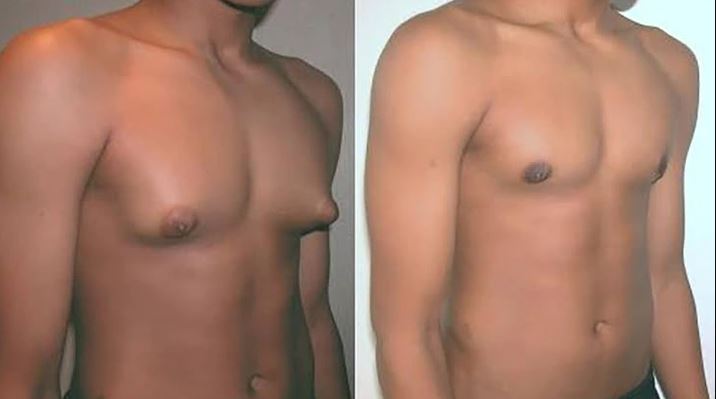
According to NHS, gynaecomastia (sometimes referred to as “man boobs”) is a common condition that causes boys’ and men’s breasts to swell and become larger than normal. It is most common in teenage boys and older men.
Signs of gynaecomastia
Signs vary from a small amount of extra tissue around the nipples to more prominent breasts. It can affect one or both breasts.
Sometimes, the breast tissue can be tender or painful, but this isn’t always the case.
Causes of gynaecomastia
Hormone imbalance
Gynaecomastia can be caused by an imbalance between the s*x hormones testosterone and oestrogen. Oestrogen causes breast tissue to grow. While all men produce some oestrogen, they usually have much higher levels of testosterone, which stops the oestrogen from causing breast tissue to grow.
If the balance of hormones in the body changes, this can cause a man’s breasts to grow. Sometimes, the cause of this imbalance is unknown.
Obesity
Being very overweight (obesity) is a common cause of gynaecomastia, this is because being overweight can increase levels of oestrogen, which can cause breast tissue to grow. If you’re overweight you’re also more likely to have excess fat that can enlarge the breast tissue. For some people losing weight or doing more exercise can help but this may not always improve the condition.
Newborn baby boys
Gynaecomastia can affect newborn baby boys, because oestrogen passes through the placenta from the mother to the baby. This is temporary and will disappear a few weeks after the baby is born.
Puberty
During puberty, boys’ hormone levels vary. If the level of testosterone drops, oestrogen can cause breast tissue to grow. Many teenage boys have some degree of breast enlargement. Gynaecomastia at puberty usually clears up as boys get older and their hormone levels become more stable.
Older age
As men get older, they produce less testosterone. Older men also tend to have more body fat, and this can cause more oestrogen to be produced. These changes in hormone levels can lead to excess breast tissue growth.
Other causes
Other rare causes of gynaecomastia include:
1. side effects of medicine such as anti ulcer drugs or medicine for heart disease
2. illegal drugs such as cannabis or anabolic steroids
3. alcohol misuse
4. a health condition such as kidney failure or liver disease
5. Klinefelter syndrome (a rare genetic disorder)
6. lumps or infection in the testicles.
Treatment for gynaecomastia
See a doctor if you’re worried about breast tissue growth, they can discuss the treatment options with you.
If a doctor thinks you need treatment, they may recommend surgery to remove the excess breast tissue and medication to adjust a hormone imbalance.
Always see a doctor if the area is very painful or there’s an obvious lump. Sometimes, the lump may need to be removed. Gynaecomastia isn’t related to breast cancer, but you should see a doctor if you’re worried about breast swelling.


-

 Latest6 days ago
Full List: Meet the 2026 Nobel Prize winners across six categories
-

 Football6 days ago
Premier League Matchweek 7: Five Fixtures That Could Shape the Weekend
-

 Latest5 days ago
Umahi defends Lagos-Calabar highway route changes amid public outcry
-

 Business4 days ago
Dangote Refinery IPO: 70% Subscription claim meets fourfold demand assertion as investors seek clarity
-
Business5 days ago
Dangote Refinery IPO Extension: Was the 70% subscription report overhyped?
-

 Latest3 days ago
UCTH faces morgue crisis as 50 unclaimed corpses await mass burial
-

 Featured5 days ago
El-Rufai, ADC governorship candidate’s court appearance puts Kaduna opposition politics in focus
-

 Business3 days ago
BREAKING: Nigeria’s Inflation Rate Drops to 14.63% in September