
Featured
WHO raises alarm over high-threat pathogens escape as Russia pounds Ukraine

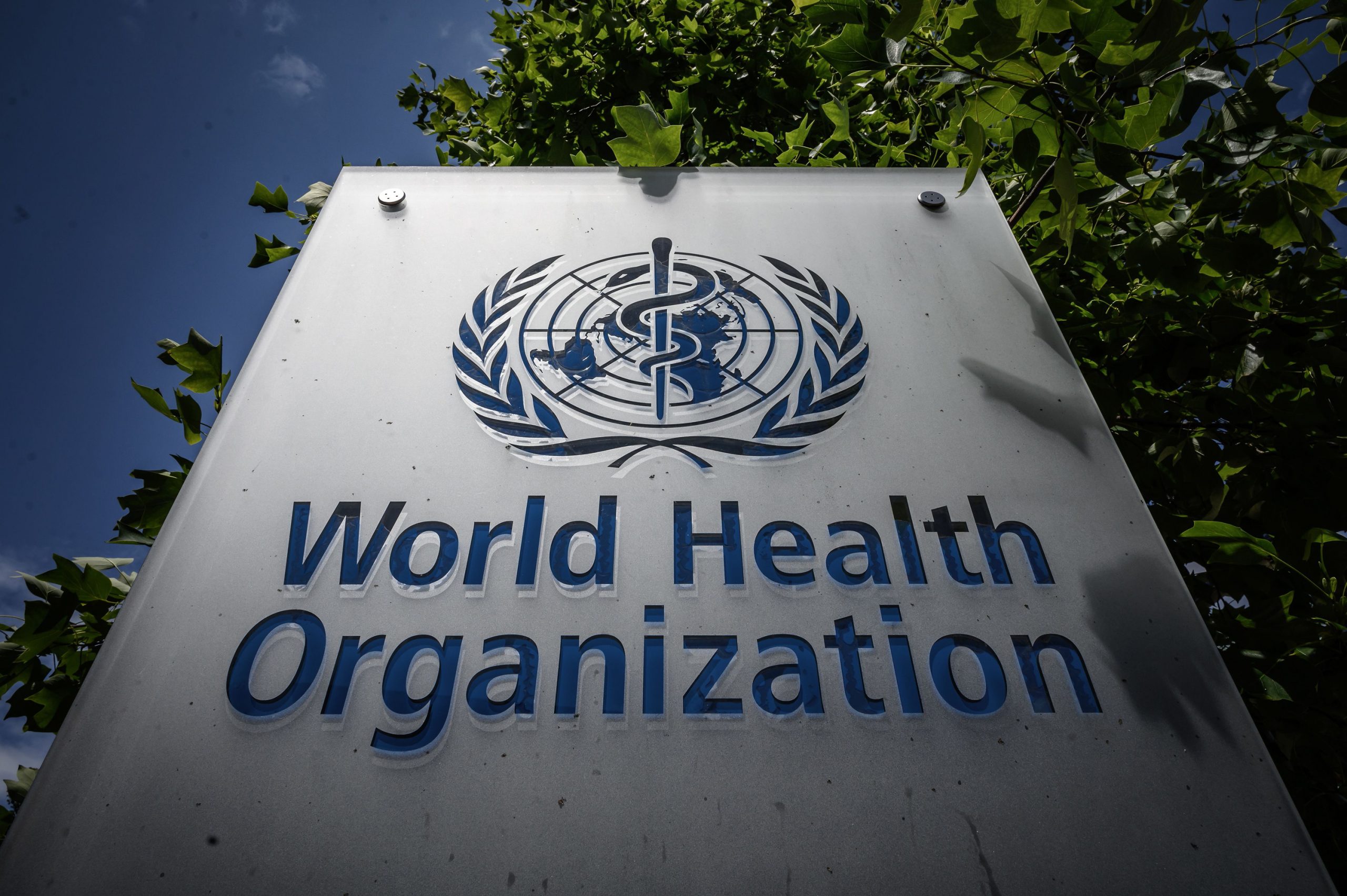
The World Health Organization has “strongly recommended” Ministry of Health in Ukraine safely destroy “high-threat pathogens” housed within the country’s public health labs as Russia continues ravaging the country’s educational and health institutions.
“WHO also promotes biosecurity at laboratories, e.g. prevention of accidental or deliberate release of pathogens. As part of this work, WHO has strongly recommended to the Ministry of Health in Ukraine and other responsible bodies to destroy high-threat pathogens to prevent any potential spills,” WHO spokesman Tarik Jašarević wrote in an email Friday.
WHO noted in its email first published by Reuters and CNN that it encourages “the safe and secure disposal of any pathogens” and would assist as needed and wherever possible.
“WHO routinely assists Member States in improving their public health capacities, including by facilitating improved safety and security of laboratories holding samples of pathogens of public health concern,” Jašarević wrote.
“WHO’s country office in Ukraine has been working for several years with the Ministry of Health and other partners, including other WHO Member States, to support the enhancing of biosafety and biosecurity of labs, as well as the capacity of lab personnel, in particular to respond to the COVID-19 pandemic,” Jašarević said.


-

 Latest1 week ago
Full List: Meet the 2026 Nobel Prize winners across six categories
-

 Football7 days ago
Premier League Matchweek 7: Five Fixtures That Could Shape the Weekend
-

 Business5 days ago
Dangote Refinery IPO: 70% Subscription claim meets fourfold demand assertion as investors seek clarity
-

 Latest6 days ago
Umahi defends Lagos-Calabar highway route changes amid public outcry
-
Business6 days ago
Dangote Refinery IPO Extension: Was the 70% subscription report overhyped?
-

 Latest4 days ago
UCTH faces morgue crisis as 50 unclaimed corpses await mass burial
-
 Business4 days ago
BREAKING: Nigeria’s Inflation Rate Drops to 14.63% in September
-

 Featured6 days ago
El-Rufai, ADC governorship candidate’s court appearance puts Kaduna opposition politics in focus