
Business
Why we support higher interest rate — CBN

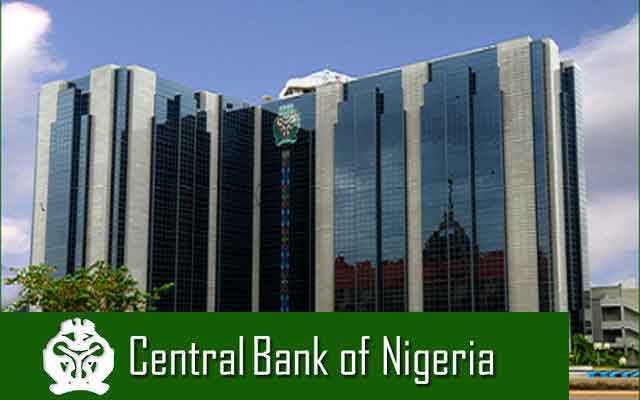
The CBN has kept the Monetary Policy Rate, at 14% for the 16th consecutive month despite the negative effects it has on consumer and business loans and has presented several reasons for this.
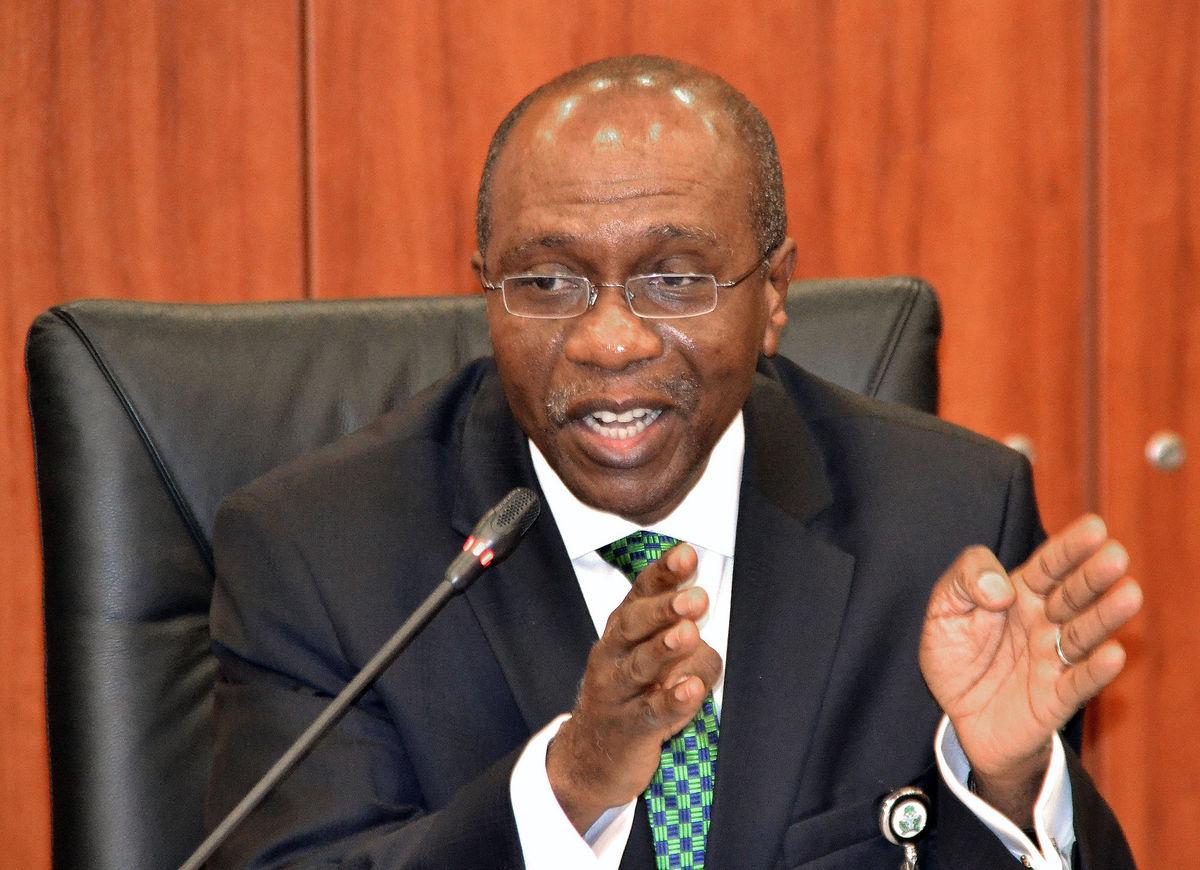
More recently, the CBN Governor Godwin Emefiele issued a statement contained in the MPR communique explaining why he supports higher interest rates.
First, he claims that despite the fact that inflation rate has been dropping, 15.9% (as of November 2017), it is still high and so the CBN still needs to peg interest rates at 14% to force down consumer spending.
It is important to emphasise that the current inflation rate, at 15.9 percent, remains at a growth inhibiting level. Hence, the need to retain the restrictive stance of policy without further tightening. I am of the view that the current level of real interest rate is appropriate to balance the objectives of exchange rate stability, price stability and output stabilisation.
Secondly, he also insisted that it will not like to see lower interest rates in the economy anytime soon as it could cause more harm to the economy.
“I remain personally in favour of low nominal interest rate in the long-run. Nonetheless, a drive to force down interest rate would be counterproductive at this time. It is important to avoid impulsive policy shocks, which could reverse ongoing disinflation, upend the path of recovery and destabilise FX market.”
The MPR is the rate at which the CBN lends money to commercial banks and is a benchmark used by banks to price interest rates.
In other words, the higher the MPR the higher the interest rate you pay on your personal, vehicle or mortgage loans. It is for this reason that most analysts spend time dissecting the CBN’s monetary policy communiqué issued after the CBN meets monthly.
A higher MPR signals that the bank wants you to have less cash in your hand and leave you with little incentive to borrow and more reason to save. They also force you to lend money to the government because treasury bills rate will also be high.
Interest rates for your loans will likely remain high this year, at least until inflation rate drops below 14%, and the CBN will continue to rely on high-interest rates to stabilize the exchange rate.
Higher interest rates mean more people will invest their money in treasury bills, bonds, stocks, fixed deposits etc. which then means there will be fewer Naira chasing dollars.




-
 Latest6 days ago
Israel marks 3 years since October 7 Hamas attack amid Gaza strikes, election debate
-

 Energy5 days ago
Fuel Battle: Dangote, marketers and government clash over petrol imports
-
 Energy7 days ago
Petrol, diesel prices rise 86% in 2026 as costs hit fresh highs
-

 Energy1 week ago
Has Iran lost control of the Strait of Hormuz? Oil flows rebound as war disruptions persist
-

 Football6 days ago
Nigeria’s World Cup exit under spotlight as FIFA’s DR Congo files emerge
-

 Latest6 days ago
US Court set to rule on release of FBI, DEA records on Tinubu
-

 Business6 days ago
Nigerian investors at a crossroads as fixed-income yields slide
-

 Business7 days ago
LoveWorld Trade and Investment Forum to Convene Business Leaders in Accra