
Crime
UN raises alarm over Boko Haram use of children as suicide bombers

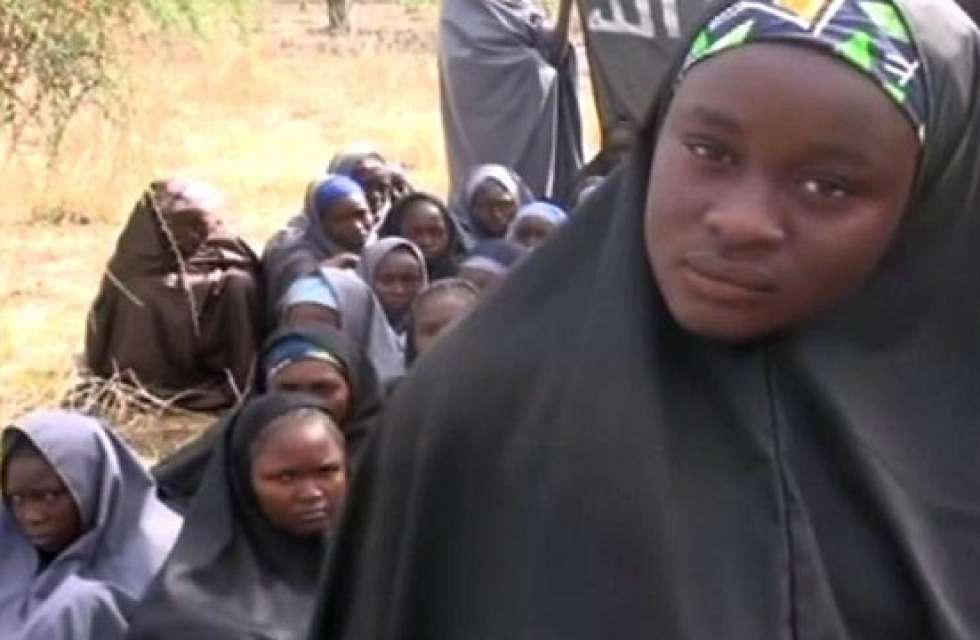
•Says 75 percent of the children are girls
The United Nations has raised alarm over the rise in the use of children as suicide bombers by the Islamic terrorist group Boko Haram in the North East of Nigeria, AFP has reported.
The newswire agency reported that the world body specifically stated today in a report by its children’s agency UNICEF that the number of children used by Nigeria’s Boko Haram to stage suicide bombings has risen more than 10-fold in one of the most “horrific” aspects of the Islamist insurgency.
Accordingly, experts said the group, which has been weakened by a multinational military offensive, is now trying to spread terror by using children for attacks in crowded markets, mosques and even camps for people fleeing Boko Haram violence.
This has had disastrous consequences for children, especially girls, who had survived captivity and sexual violence by Boko Haram, the report said.
“The number of children involved in ‘suicide’ attacks in Nigeria, Cameroon, Chad and Niger has risen sharply over the past year, from four in 2014 to 44 in 2015,” UNICEF said.
More than 75 percent of the children involved in such attacks are girls, it added.
“Let us be clear: these children are victims, not perpetrators,” said Manuel Fontaine, UNICEF regional director for west and central Africa.
“Deceiving children and forcing them to carry out deadly acts has been one of the most horrific aspects of the violence in Nigeria and in neighbouring countries,” he said.
The report was released two years after Boko Haram kidnapped 276 teenagers in the dead of night from the small town of Chibok in northern Nigeria. A total of 219 students are still missing.
Disturbing trends
The report, entitled “Beyond Chibok”, said alarming trends have surfaced after Boko Haram started attacking countries neighbouring Nigeria.
“Between January 2014 and February 2016, Cameroon recorded the highest number of suicide attacks involving children (21), followed by Nigeria (17) and Chad (two),” it said.
During the same period, nearly one in five suicide bombers was a child and three quarters of them were girls.
Last year, children were used in one out of every two attacks in Cameroon, one out of eight in Chad, and one out of seven in Nigeria.
UNICEF said the number of Boko Haram suicide bombings had increased from 32 in 2014 to 151 last year.
“The calculated use of children who may have been coerced into carrying bombs, has created an atmosphere of fear and suspicion that has devastating consequences” for them, it said.
“As ‘suicide’ attacks involving children become commonplace, some communities are starting to see children as threats to their safety,” said Fontaine.
“This suspicion towards children can have destructive consequences; how can a community rebuild itself when it is casting out its own sisters, daughters and mothers?” he said.
An estimated 20,000 people have been killed since Boko Haram launched its campaign of violence in 2009 to carve out a hardline Islamic state in northeast Nigeria.
More than 2.6 million people have fled their homes since, but some of the internally displaced have recently begun returning after the Nigerian military captured swathes of territory back from the insurgents.
But UNICEF underscored that the repercussions were devastating for children caught up in the conflict.
It said nearly 1.3 million children have been displaced, about 1,800 schools are closed -– either damaged, looted, burned down or used as shelter by displaced people and more than 5,000 children reported either as unaccompanied or separated from their parents.













-

 Latest1 week ago
Pastor Chris Oyakhilome announces mother’s passing at 88 [VIDEO]
-

 Football6 days ago
How David Beckham made $51.1m from 2026 World Cup, surpassing winners’ prize
-

 Latest2 days ago
US Immigration fees rise from October 16 as USCIS announces new charges
-

 Comments and Issues7 days ago
Fani-Kayode on Atiku: Separating claims from the record
-

 Latest1 week ago
How adulterated palm oil, coloured pepper are putting consumers at risk
-

 Crime1 week ago
Deaths in NSCDC Custody: Can Nigeria guarantee the safety of detainees?
-

 Health5 days ago
COVID-19 Hospital care under scrutiny as US Senate hears patient, family testimonies
-

 Business5 days ago
OpenAI shelves GPT-6.1 astra release over safety concerns