
Business
2023: Expert outlines key policies to improve economy

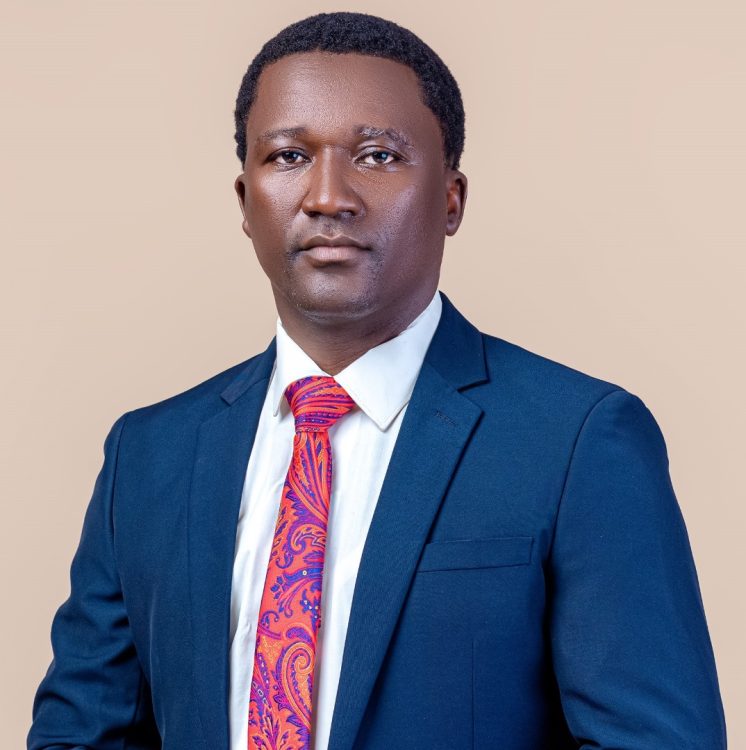
Dr Afolabi Olowookere, Chief Economist, Analysts Data Services and Resources (ADSR), has outlined key policy actions aimed at improving Nigeria’s economic performance in 2023.
Olowookere, also ADSR Managing Director, said this in the company’s Analysts Monthly Review released on Friday in Lagos.
He said the Federal Government must initiate policies to address currency depreciation, high inflation, high interest rates, skilled labour shortage, expansionary budget, risk of high debts and capital expenditure leakage to fund elections.
He said the outlined actions were to mitigate against the 2023 outlook projected to be characterised by fuel subsidy removal, global uncertainties, increased revenue and taxation drive, election impact and weak growth.
Olowookere said macroeconomic policies for 2023 should focus on making fiscal spending more efficient to effectively address rising inflation and committing to implementing investment-friendly environment.
He stated the need to harmonise foreign exchange rates for certainty, make businesses more competitive to generate foreign exchange and align monetary policy to macroeconomic objectives with minimal political interference.
“Also, annual budgets must align with National Development Plans to avoid falling into debt trap and its consequences.
“Trade and industrial policies must be more effective and Nigeria must ensure better coordination between monetary and fiscal policies,” he said.
The Chief economist highlighted the need for the country to be more innovative in financing and operating public infrastructure to engender better public capital and citizens’ welfare.
He also stressed the need to improve education financing and align curriculum to the country’s and businesses’ needs.
“Nigeria must maximise the benefit of the global sustainable finance to attract capital into key sectors and create jobs and reforms to reduce current high poverty and unemployment rate.
“The country must also envisage and effectively management issues around subsidy and its removal,” he said.
Olowookere said public policies must focus on effectively managing post-election reactions and on reforms to restructure from resource sharing to generation.
He also emphasised the need to build trust among the citizens, reduce cost of governance and address high population growth rate.








-
 Latest6 days ago
Israel marks 3 years since October 7 Hamas attack amid Gaza strikes, election debate
-

 Energy5 days ago
Fuel Battle: Dangote, marketers and government clash over petrol imports
-

 Energy7 days ago
Petrol, diesel prices rise 86% in 2026 as costs hit fresh highs
-

 Energy1 week ago
Has Iran lost control of the Strait of Hormuz? Oil flows rebound as war disruptions persist
-

 Football6 days ago
Nigeria’s World Cup exit under spotlight as FIFA’s DR Congo files emerge
-

 Latest6 days ago
US Court set to rule on release of FBI, DEA records on Tinubu
-

 Business6 days ago
Nigerian investors at a crossroads as fixed-income yields slide
-

 Business7 days ago
LoveWorld Trade and Investment Forum to Convene Business Leaders in Accra