
Business
Better times ahead as Nigeria’s inflation rate eases

By Odunewu Segun
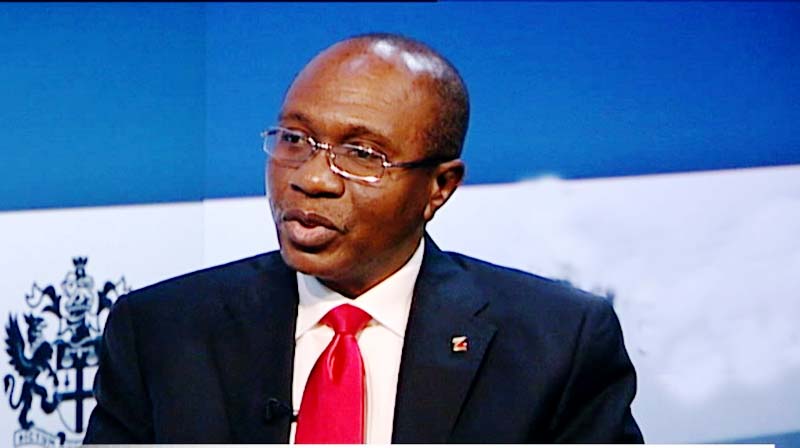
The assurance by the Central Bank Governor, Godwin Emefiele in April that the country may exited recession on or before the first quarter of 2017 may turned out to be true as the country recorded a decline in inflation for a three consecutive straight month.
According to latest statistics released by the National Bureau of Statistics (NBS), Nigeria’s annual inflation rate eased for the third straight month in April, inching down to 17.24 percent from 17.26 percent in March, the National Bureau of Statistics said in a report.
Annual inflation fell in March and the month prior to that. The fall in February was the first drop in inflation in 15 months. A separate food price index, however, showed inflation there rose to 19.30 percent from 18.44 percent in March.
“This is the third consecutive month of a decline in the headline CPI rate, exhibiting effects of some easing in already high food and non-food prices, as well as favourable base effects over 2016 prices,” the report stated.
Inflation accelerated every month for more than a year until January, partly because import prices increased due to dollar shortages and a weakening of the naira fueled by falling revenue from oil, the nation’s biggest export, and the removal of a currency peg in June.
The Central Bank of Nigeria introduced a window where portfolio investors could trade foreign currency at market-determined rates and has increased its sales of foreign-exchange to banks after severe rationing last year.
ALSO SEE: SEC to commence reduction of capital market transaction cost
The decline in Nigerian consumers’ purchasing power slowed investment and forced the CBN to increase its benchmark rate to a record 14 percent in July even as the economy was contracting. The Monetary Policy Committee is scheduled to review its key rate on May 23.
Nigeria, which has Africa’s largest economy, is in its second year of recession and is contending with a currency crisis and dollar shortages brought on by low oil prices, which is the OPEC member’s mainstay.
Nigeria, which has Africa’s largest economy, is in its second year of recession and is contending with a currency crisis and dollar shortages brought on by low oil prices, which is the OPEC member’s mainstay.










-

 Football7 days ago
Ballon d’Or 2026: Yamal, Mbappe, Kane emerge early favourites
-

 Football6 days ago
Post-World Cup Shake-Up: Managerial changes, record transfers dominate football headlines
-

 Football6 days ago
WAFCON 2026: Super Falcons target winning start as Nigeria face debutants Malawi
-
 Energy5 days ago
Nigeria wastes enough gas to Ggenerate 62,400GWh of electricity amid deepening energy crisis — NOSDRA
-

 Business2 days ago
Information Minister, VON DG to lead ARCON’s 2026 Advertising Industry Colloquium
-
 Latest1 week ago
Accountability group questions ₦962.8bn Allocation for empowerment projects, official vehicles in 2026 budget
-

 Business3 days ago
Cooking gas dealers slash prices amid intensifying market competition
-
 Health5 days ago
Fauci’s personal diaries fuel renewed scrutiny of COVID-19 vaccine safety