
News
Senegal moves to toughen anti-homosexuality laws amid criticism of Western pressure

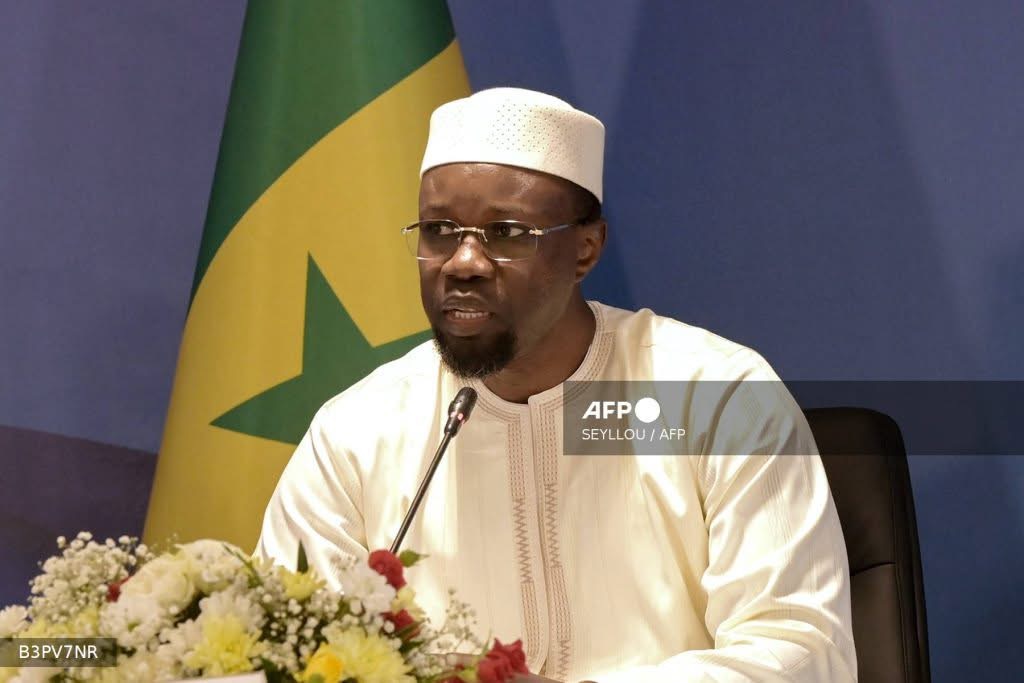
Senegalese Prime Minister Ousmane Sonko has defended a proposed bill seeking to strengthen the country’s anti-homosexuality laws, while accusing Western nations of attempting to impose foreign social values on African societies.
The proposed legislation, currently before Senegal’s National Assembly, would increase prison sentences and financial penalties for same-sex relations in the predominantly Muslim West African country.
Under Senegal’s current penal code, same-sex relations are punishable by prison terms ranging from one to five years. The new bill seeks to raise the penalties to between five and 10 years imprisonment, alongside significantly higher fines.
According to government officials, the proposed reforms are intended to reinforce existing laws and reflect what authorities describe as the cultural and religious values of Senegalese society.
Speaking during parliamentary discussions, Sonko criticized foreign governments and international organizations that have called for the decriminalization of homosexuality across Africa.
The prime minister said Senegal would not allow external pressure to dictate its domestic policies, arguing that the country has the sovereign right to legislate based on its own social and cultural realities.
The proposed law would also impose tougher sanctions in cases involving minors, while maintaining the offense under misdemeanor classification rather than elevating it to a more serious criminal category.
The bill has generated strong reactions both within Senegal and internationally. Human rights organizations, including Human Rights Watch, have expressed concern that stricter laws could further marginalize LGBT individuals and increase the risk of discrimination and violence.
Rights groups also warn that harsher penalties may negatively affect public health efforts, particularly HIV prevention and treatment programs, by pushing vulnerable communities further underground.
Supporters of the legislation, however, argue that the move reflects the views of a large segment of Senegal’s conservative population and aligns with the country’s long-standing legal framework.
The development comes amid broader debates across several African countries over LGBT rights, national sovereignty, and the influence of Western governments on domestic social policies.


-

 Featured6 days ago
Ranking the seven greatest World Cup finals of all time
-
 Business7 days ago
OPay breaks silence on viral September shutdown claim
-

 Latest7 days ago
Tinubu’s FBI records: Omokri challenges claims, cites 2003 Embassy reply
-

 Business5 days ago
X3M Ideas donates 50 Walkie-Talkies to strengthen security operations in Onigbongbo
-

 Latest6 days ago
2027: Atiku vows direct payment of local government funds if elected president
-
 Latest6 days ago
2027: Atiku, Obi absent as opposition begins talks on single presidential candidate
-

 Latest2 days ago
Cole-Alegbe unveils memoir, urges leaders to harness technology for lasting impact
-

 Latest7 days ago
Anambra 2027: INEC, NDC clash over 10 disputed Assembly candidates