
Exclusive
Marijuana can save lives

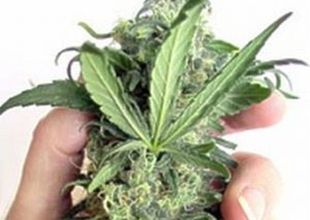
This week, Attorney General Jeff Sessions paused a discussion of the opioid epidemic to, once again, go after marijuana. He suggested that addictive pain medication wasn’t the only problem and that many heroin addicts start out “with marijuana and other drugs.”
There is a relationship between cannabis and opioids, but Mr. Sessions has it backward. Marijuana isn’t a gateway drug to opioid addiction; it’s a safer alternative to pain medicines. Mr. Sessions’s vow to crack down on marijuana will only make the opioid epidemic worse.
We know that 40 percent of all opiate overdose deaths involve a prescription opiate. So having legal access to cannabis as another option for pain relief may actually reduce consumption of opiates.
I know it sounds counterintuitive, but consider the evidence. To start, a large study assessed the effect of medical-marijuana laws on opiate-related deaths between 1999 and 2010 in all 50 states and reported a 25 percent decrease in opiate overdose mortality in states where medical marijuana was legal, compared with those where it wasn’t. The study found that in 2010, medical-marijuana laws resulted in an estimated 1,729 fewer deaths than expected.
Other epidemiologic studies found similar results. A study published last year examined opiate-related deaths in Colorado between 2000 and 2015. Researchers compared mortality rates before and after the state legalized recreational cannabis in 2014. For controls, they chose two nearby states: Nevada, which legalized only medical cannabis, and Utah, where all cannabis use is illegal. The study found a 6.5 percent drop in opiate-related deaths after recreational cannabis became legal in Colorado.
Likewise, other researchers examined the link between medical cannabis and opiate use in a group of patients with chronic pain in New Mexico, one of the states hardest hit by the opioid crisis. They reported that subjects who had access to medical cannabis were 17 times more likely to stop using opiates for pain compared with those not using cannabis.
Because these are all observational studies, they cannot prove a causal link between cannabis use and lower opiate-related mortality. Still, the consistent epidemiologic evidence is hard to ignore.
Why might cannabis work so well as an alternative to opioids? It does offer some mild pain relief. But more significant, both opiates and cannabis — like all recreational drugs — cause the release of dopamine in the brain’s reward pathway. That signal conveys a powerful sense of pleasure and craving. Thus, cannabis might pre-empt some of the rewarding effects of opiates, decreasing the general desire to use them.
There is also intriguing preliminary evidence that cannabidiol, a major component of marijuana, can blunt craving in individuals with opioid dependence following a period of abstinence.
If cannabis were actually a dangerous gateway drug, as the attorney general suggested, it would be very easy to see in the data. We would find that medical-marijuana laws increased opiate drug use and overdose deaths, when in fact just the opposite has happened.
We would also expect to see a consistent sequence of drug abuse from cannabis to, say, opiates or cocaine, across different cultures. But this is not the case at all.
For example, in Japan, where marijuana use is relatively rare, 83 percent of people who used recreational drugs did not begin with cannabis. This was true as well for 60 percent of South Africans.
A more plausible explanation for the common finding that people use a series of recreational drugs is a general propensity for risk-taking behavior, of which drug use is just one manifestation.
None of this is to say that marijuana is without risks. It certainly isn’t. Cannabis can impair cognition, attention and intellectual performance, though the effects are reversible. And in some individuals who are genetically at risk, it can unleash psychotic states. But there is little evidence that marijuana use increases mortality.
In contrast, opiate overdose is the leading cause of preventable death in the United States, killing about 91 Americans every day. President Trump has rightly called the opioid crisis a “public-health emergency” but has yet to articulate a real policy or allocate the necessary resources to deal with it.
At the very least, let’s not spend precious resources on a senseless cannabis crackdown — especially when the evidence suggests that it would only worsen the opioid scourge and cost more American lives.








-

 Latest1 week ago
Coca-Cola faces backlash over alleged AI filter blocking Christian messages
-

 Latest1 week ago
Osun poll: Chaos in Ejigbo as voters, INEC officials run for safety
-

 Latest1 week ago
Osun poll: Adeleke accuses Police of aiding APC supporters to disrupt voting [VIDEO]
-

 Latest5 days ago
Tinubu files: US Judge grants four-day extension in FOIA disclosure battle
-

 Latest1 week ago
Osun Decides: INEC declares Adeleke winner
-
Featured5 days ago
Beyond Osun 2026: What Adeleke’s re-election reveals about Nigeria’s road to 2027
-

 Entertainment4 days ago
Poco Lee faces rape allegation as unverified UK arrest report spreads online
-

 Business5 days ago
Standard Bank eyes stake in OPay ahead of planned $4bn US IPO