
Featured
Babangida decries leadership failure on reconciliation 50 years after Nigerian civil war

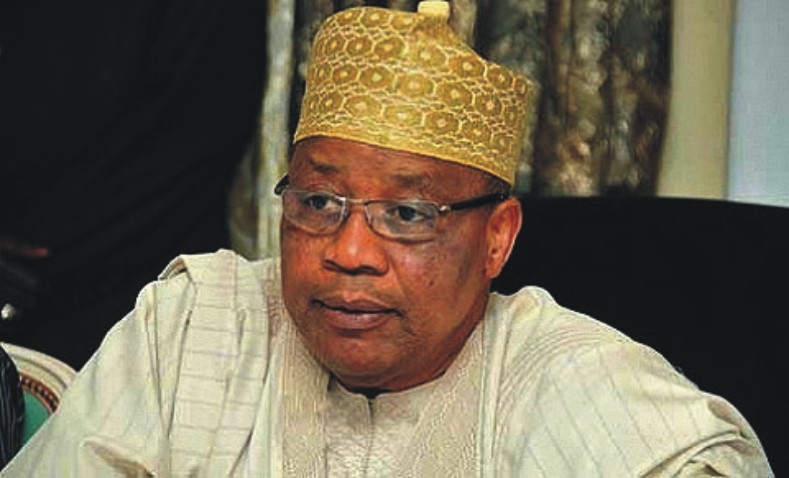
Former Head of State, General Ibrahim Badamosi Babangida (IBB) (retired), has decried the failure of Nigerian leaders to promote genuine post-war reconciliation 50 years after the Nigerian civil war that quelled the Biafra.
IBB was gathered to have in a media interview on Channels Television said that all the efforts made to reconcile Nigerians in the aftermath of the civil war, which ended 50 years ago, have had limited impact because they were not consistently pushed by the authorities.
The former head of state who fought in the 30 months civil war from 1967 to 1970 on the side of the Nigerian Army had commended certain national integration policies such as the National Youth Service Corps (NYSC) and the unity schools implemented by the federal government across the country.
It was gathered that IBB expected that the Federal Government should do more to heal the wounds of hatred and isolation by consistently pushing hard to achieve the objectives of the national integration policies.
IBB was cited to have remarked in part: “… the NYSC, unity schools, I think we didn’t push it hard.
“We should have pushed all those hard so that people from different parts of the country can say that we met at unity schools together”.











-

 Latest1 week ago
Global excitement builds as Healing Streams Live Services returns October 23
-

 Featured7 days ago
Inside INEC’s race to prepare for Nigeria’s 2027 elections
-

 Business1 week ago
President Tinubu and the Low Transport Fares Fiasco
-

 Featured7 days ago
2027: APC unveils nationwide campaign timetable, Tinubu to rally in 12 states
-
 Business4 days ago
Naira faces exchange rate gap as Dollar hits N1,380 on parallel market
-
 Business7 days ago
Court dismisses ₦170m Trade Fair contract claim, says Zenith Bank was not a party
-

 Latest7 days ago
Breaking: NNPCL raises petrol price to ₦1,405 per litre amid discount controversy
-
 Business1 week ago
Rite Foods targets beverage market growth with LIDA Malt