
Business
Experts caution against further borrowing

- As Nigeria’s debt burden hits N19trn
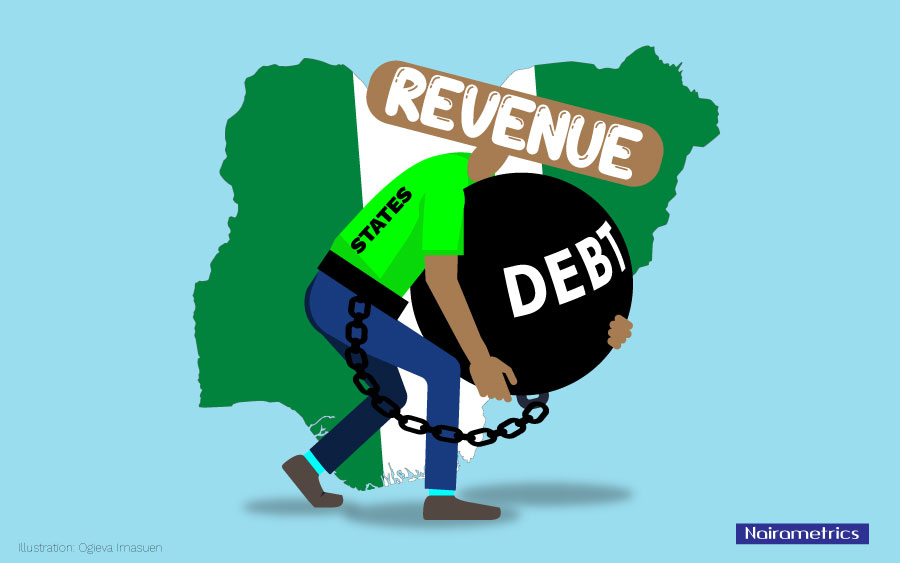
Nigeria’s debt of N19 trillion is becoming unsustainable as it might be difficult to service due to the country’s revenue challenges, National Daily has gathered.
Financial experts have therefore advised that rather than continue to rely on borrowing to finance its activities, the Federal Government should adopt other sources of funding the infrastructural needs of the country.
These, according to them, include concession, privatisation and public-private partnership arrangements.
In his ow submission, former Acting Managing Director, Unity Bank of Nigeria, Rislanudeen Muhammed said Nigerians needed to be worried about the country’s debt burden rising at a faster rate than revenue generation.
He stated that if something urgent was not done to shore up revenue, it would be difficult for the government to meet its debt servicing obligation.
He said, “The debt profile is scaring and worrying. It’s not a bad thing to borrow but it is good to be assured of the sustainability of the borrowing. If you go on a borrowing spree, then it will be difficult to service this debt when you don’t have the capacity to pay.
According to the President, Institute of Fiscal Studies of Nigeria, Mr. Godwin Ighedosa, there was a need for a reduction in government expenditure.
He said, “We have a high fiscal deficit, which can only be funded through borrowing. We already have a debt overhang, and as it is, we are building that up and so there is a need to reduce the rate of borrowing.”
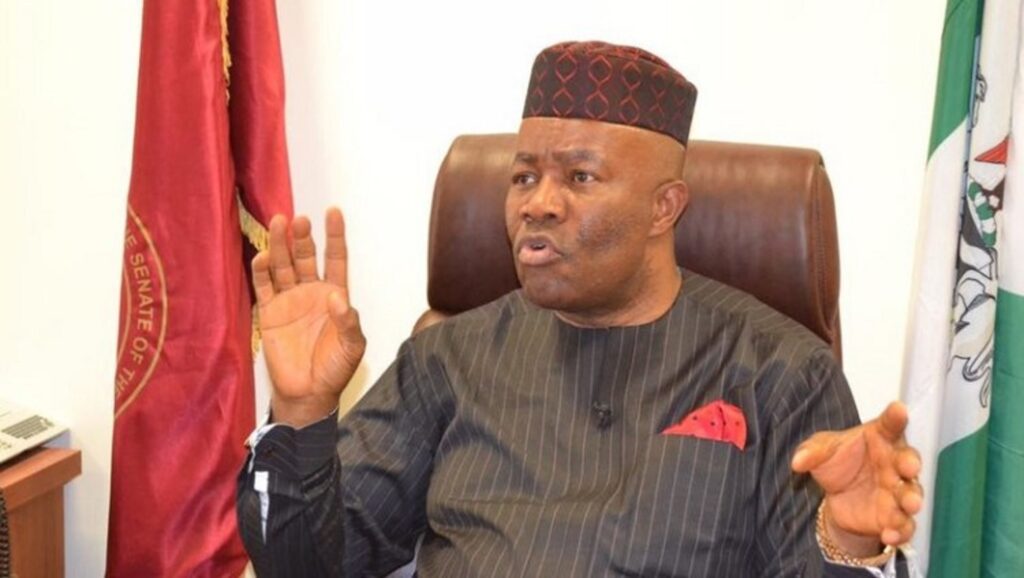
The Director-General, Budget Office of the Federation, Mr. Ben Akabueze, however, said that the country’s debt profile was sustainable.
He maintained that the country’ debt profile was still within the globally accepted threshold, and argued that rather than worry about the level of borrowing, the priority should be on how to shore up revenue that would enable government finance its programmes.
ALSO SEE: Nigeria’s falling FDI may be blessing in disguise
Akabueze stated that the current level of revenue generation in the country was too small to fund an economy the size of Nigeria, noting the country had one of the lowest tax to Gross Domestic Product ratio in the world.
He added, “We are right there at the bottom globally simply because people are not paying taxes and we also have to ensure that even what people pay does not leak and it is properly accounted for.
“That’s what we need to deal with; if we pay the revenues and the denominator grows, then the resultant ratio grows; but if we start tackling tax to GDP ratio and we don’t go through a proper diagnosis, we will end up in the wrong direction.”







-
 Featured5 days ago
Inside INEC’s race to prepare for Nigeria’s 2027 elections
-
 Featured5 days ago
2027: APC unveils nationwide campaign timetable, Tinubu to rally in 12 states
-

 Latest1 week ago
UCTH faces morgue crisis as 50 unclaimed corpses await mass burial
-
 Business7 days ago
BREAKING: Nigeria’s Inflation Rate Drops to 14.63% in September
-

 Business6 days ago
President Tinubu and the Low Transport Fares Fiasco
-
 Business5 days ago
Court dismisses ₦170m Trade Fair contract claim, says Zenith Bank was not a party
-
 Business2 days ago
Naira faces exchange rate gap as Dollar hits N1,380 on parallel market
-
 Latest5 days ago
Breaking: NNPCL raises petrol price to ₦1,405 per litre amid discount controversy