
Business
Fuel subsidy: Zenith Bank implements salary increment for all staff

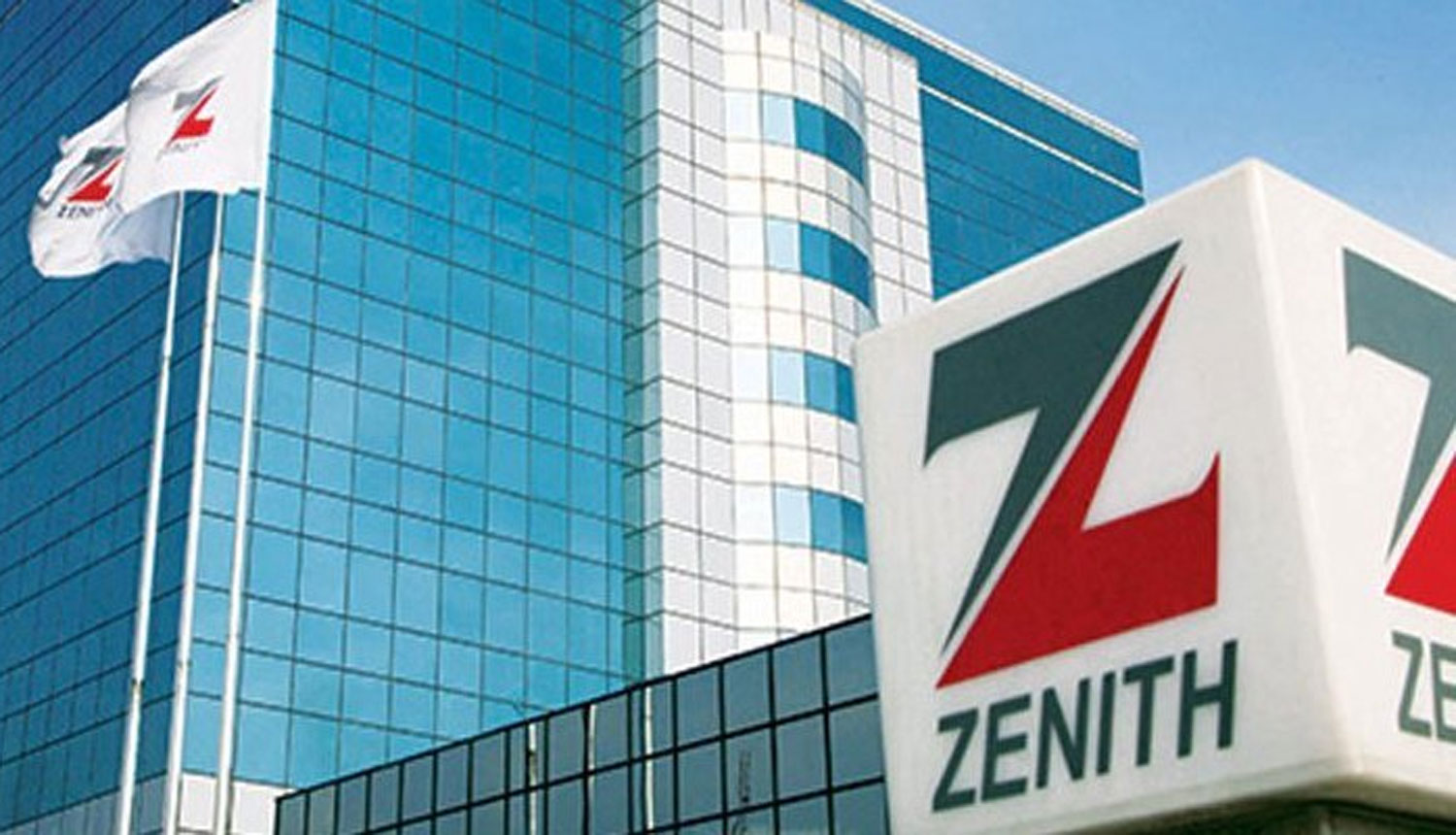
Following prevailing economic challenges brought about by the removal of fuel subsidies, Zenith Bank has implemented a company-wide salary increment for all its staff.
The salary increase is all-encompassing, covering both contract and permanent staff members.
Depending on their respective grade levels, some employees have been fortunate enough to receive substantial raises ranging from 25 to 50%.
The news of the salary increment spread like wildfire through the financial community, as Zenith Bank’s proactive approach to support its employees during tough economic times received praise and commendation.
As of December 2022, Zenith Bank had allocated a significant N86.4 billion for personnel expenses, making the decision to increase salaries even more significant given the financial implications.
The bank has a workforce boasting over 8,000 dedicated employees.
READ ALSO: Zenith Bank’s Mukhtar Adam bags AABLA’s CFO of the year award
The salary increase move is expected to have a positive impact on staff morale and motivation, fostering a sense of appreciation and loyalty among employees.
It showcases Zenith Bank as a leader in prioritizing the well-being of its workforce during times of economic uncertainty.
Market watchers anticipate that this laudable initiative by Zenith Bank may prompt other financial institutions to reevaluate their employee welfare policies and consider measures to provide support and reassurance to their workforce in challenging economic conditions.
The recent removal of fuel subsidies in Nigeria has had a widespread impact on individuals across the country, including employees who now face increased transportation expenses for their daily commute.
In addition, the rising inflation has led to higher fuel prices, causing public transportation providers such as buses, keke napep, and motorcycles to raise their fares accordingly.
READ ALSO: MTN, Dangote, Zenith Bank among Nigeria’s most profitable companies
This situation has significantly affected those who rely on public transportation, particularly workers in the private sector.
With the rising cost of transportation, many employees are now forced to allocate a substantial portion of their salaries solely to cover commuting expenses, leaving little for other essential needs like food and rent.
As Nigerians adapt to these changes, it remains crucial for stakeholders to continue assessing the consequences and explore measures to mitigate the adverse effects of subsidy removal, particularly on employees’ financial stability and overall welfare.
The removal of fuel subsidies represents a significant change in Nigeria’s economic policy, with the aim of addressing fiscal challenges and promoting market-based pricing.














-
 Latest5 days ago
Israel marks 3 years since October 7 Hamas attack amid Gaza strikes, election debate
-

 Energy5 days ago
Fuel Battle: Dangote, marketers and government clash over petrol imports
-

 Energy6 days ago
Petrol, diesel prices rise 86% in 2026 as costs hit fresh highs
-

 Energy7 days ago
Has Iran lost control of the Strait of Hormuz? Oil flows rebound as war disruptions persist
-

 Football6 days ago
Nigeria’s World Cup exit under spotlight as FIFA’s DR Congo files emerge
-

 Latest6 days ago
US Court set to rule on release of FBI, DEA records on Tinubu
-

 Business6 days ago
Nigerian investors at a crossroads as fixed-income yields slide
-

 Business7 days ago
LoveWorld Trade and Investment Forum to Convene Business Leaders in Accra