
Featured
INEC Director faces prosecution for N16m election scam

By OKOSUN DENNIS
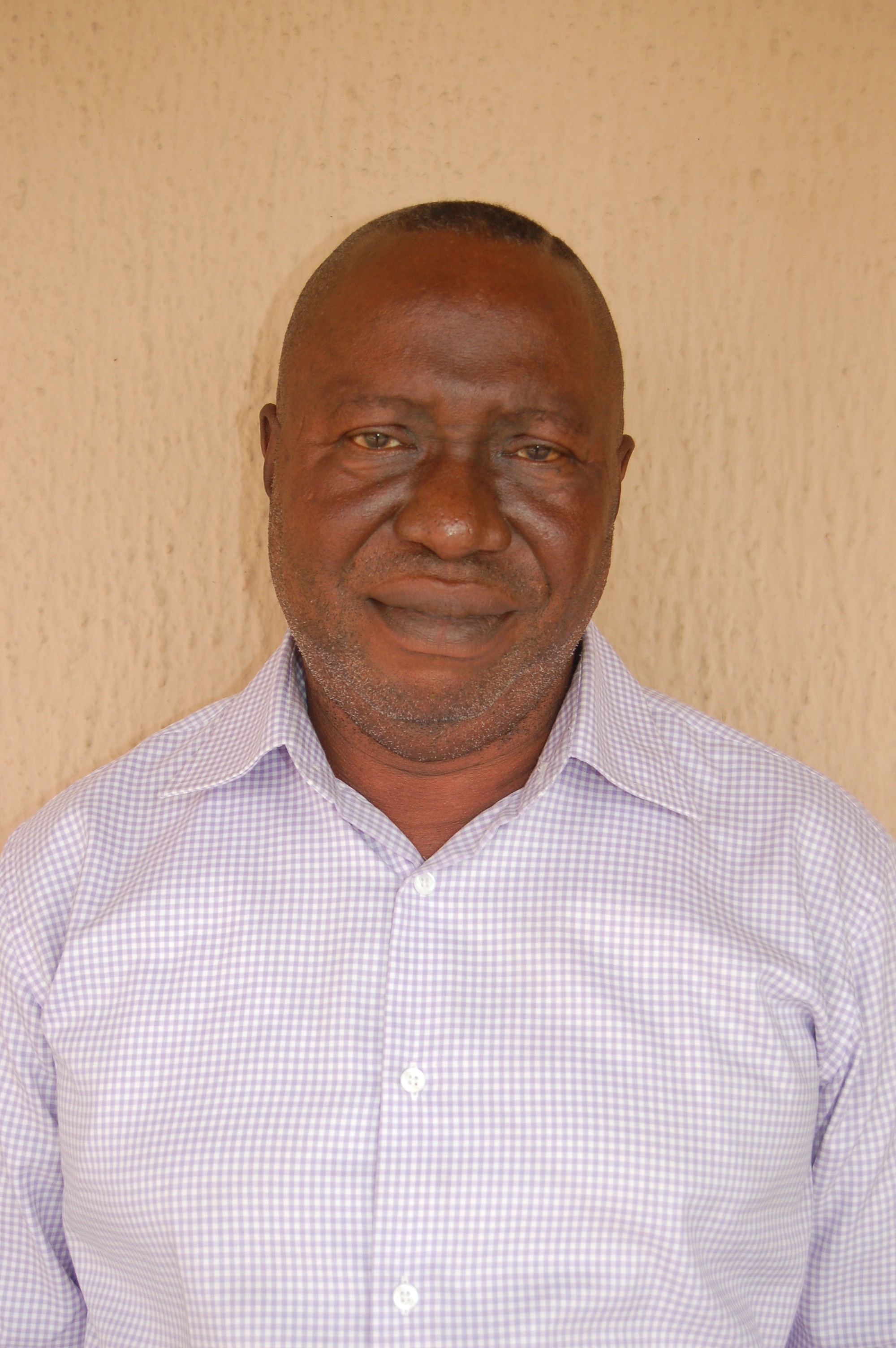
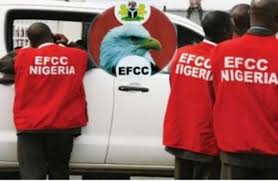
A director of the Independent Electoral Commission (INEC) in Akwa Ibom State, and former Electoral Officer in Rivers State, Gogo Anderson Waribo, is to face the Economic and Financial Crimes Commission (EFCC), prosecution for allegedly collecting N16m to influence election result during the 2015 general election.
National Daily gathered that the money was part of the infamous N23 billion Diezani Allison Madueke was said to be 2015 general election bribery funds.
National Daily learnt that Waribo was arrested by operatives of the anti-graft agency following intelligence report that some INEC officers conspired with some staff of Fidelity Bank to defraud the Federal Government of several millions of naira.
Although, he has consistently denied involvement in the fraud, EFCC’s investigation revealed that the INEC deputy director’s name is on the list of beneficiaries of the money.
He allegedly received the sum of N16 million through his First Bank account on March 27, 2015. Out of the money, Waribo allegedly gave N5 million from the N16 million to Peter Popnen, an ex- INEC official, National Daily further learnt.
Wilson Uwujaren, Head Media and Publicity of the agency, said the suspect will be arraigned in court as soon as investigation is completed.










-
 Latest6 days ago
Israel marks 3 years since October 7 Hamas attack amid Gaza strikes, election debate
-

 Energy6 days ago
Fuel Battle: Dangote, marketers and government clash over petrol imports
-

 Energy1 week ago
Petrol, diesel prices rise 86% in 2026 as costs hit fresh highs
-

 Football7 days ago
Nigeria’s World Cup exit under spotlight as FIFA’s DR Congo files emerge
-
 Energy1 week ago
Has Iran lost control of the Strait of Hormuz? Oil flows rebound as war disruptions persist
-

 Latest1 day ago
Full List: Meet the 2026 Nobel Prize winners across six categories
-

 Latest7 days ago
US Court set to rule on release of FBI, DEA records on Tinubu
-

 Business7 days ago
Nigerian investors at a crossroads as fixed-income yields slide