
Business
Naira ends 2024 at N1,535/$1 amid policy shift, exchange rate challenges

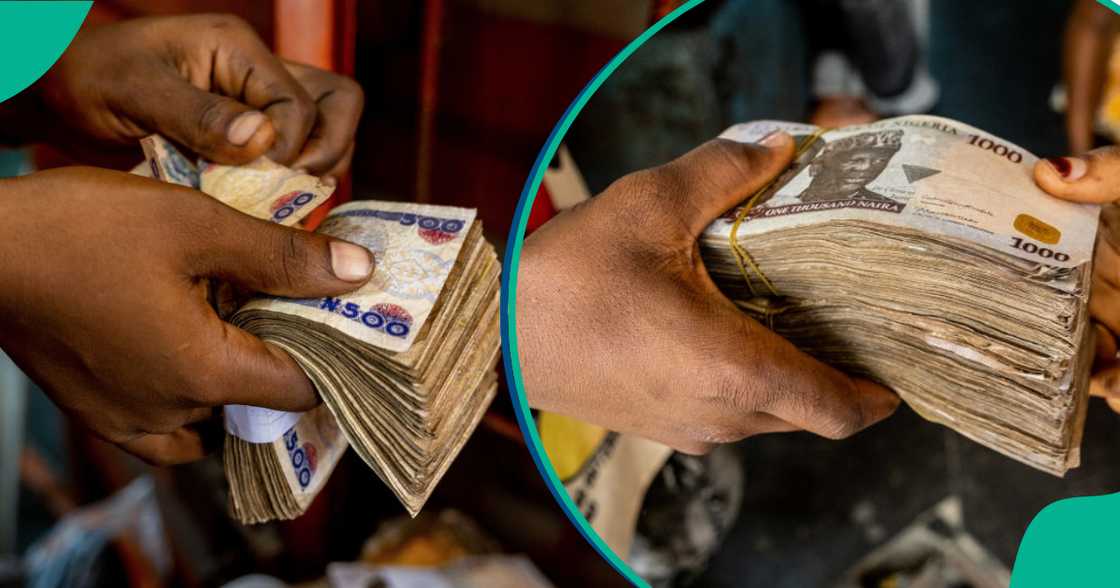
The naira-dollar exchange rate closed 2024 at N1,535/$1, marking a significant 40.9% depreciation for the year.
This follows a 49.1% devaluation recorded in 2023. Meanwhile, the parallel market rate depreciated to N1,660/$1 from N1,215/$1, representing a 26.8% drop.
Despite these challenges, Nigeria’s external reserves grew by 24% to $40.8 billion by year-end, fueled by aggressive foreign exchange policies aimed at stabilizing the currency and attracting foreign investment.
By January 31, 2024, the naira appreciated to N1,455.59/$1 following the Central Bank of Nigeria’s (CBN) clampdown on forex speculation and efforts to settle airlines’ FX claims.
February reforms included the removal of the ±2.5% cap on interbank FX transactions, signaling a shift toward a market-determined exchange rate.
The Federal Government fined Binance $10 billion for forex violations, and the CBN revoked the licenses of 4,173 Bureau De Change (BDC) operators to tighten forex controls.
The naira rebounded significantly, achieving its best performance in five years.
April saw a 5.8% depreciation of the naira despite an initial rise to N980/$1 at BDCs. Measures included banning foreign currency collateral for naira loans and creating a remittance task force.
Mid-year, the CBN introduced stricter capital requirements for BDCs, increasing them to ₦2 billion.
READ ALSO: Naira faces mixed fortunes as 2024 draws to a close
The naira dropped to N1,611/$1 in July, despite efforts to boost forex liquidity through reintroduced RDAs and domestic dollar bond issuances.
August reforms included allowing banks to trade idle FX deposits from domiciliary accounts, alongside new trading guidelines.
November’s nine-month window for undisclosed foreign currency deposits aimed to enhance forex inflows.
December saw new rules allowing BDCs to purchase up to $25,000 weekly from NFEM, alongside an FX matching system to address valuation disparities.
Financial analysts highlighted the difficulty of achieving currency stability despite robust policy interventions. According to Dr. Ifeoma Okoye, an economist at Lagos Business School, “The 40.9% depreciation reflects deep structural imbalances in Nigeria’s forex market, exacerbated by speculative activities and external debt pressures.”
Meanwhile, FX strategist Ahmed Usman noted that the naira’s depreciation was partially mitigated by a 24% increase in external reserves to $40.8 billion. “This increase shows Nigeria’s commitment to bolstering liquidity, though long-term stability requires diversification of forex sources,” Usman said.
The naira remained one of the weakest currencies in Sub-Saharan Africa, reflecting persistent forex market inefficiencies and high demand for foreign exchange amid limited supply.
As Nigeria navigates ongoing currency challenges, experts urge further liberalization of the forex market, improved policy coordination, and enhanced transparency to rebuild investor confidence and stabilize the naira.


-

 Latest5 days ago
Full List: Meet the 2026 Nobel Prize winners across six categories
-

 Football5 days ago
Premier League Matchweek 7: Five Fixtures That Could Shape the Weekend
-

 Latest4 days ago
Umahi defends Lagos-Calabar highway route changes amid public outcry
-

 Business3 days ago
Dangote Refinery IPO: 70% Subscription claim meets fourfold demand assertion as investors seek clarity
-
Business4 days ago
Dangote Refinery IPO Extension: Was the 70% subscription report overhyped?
-

 Latest2 days ago
UCTH faces morgue crisis as 50 unclaimed corpses await mass burial
-

 Featured4 days ago
El-Rufai, ADC governorship candidate’s court appearance puts Kaduna opposition politics in focus
-

 Business2 days ago
BREAKING: Nigeria’s Inflation Rate Drops to 14.63% in September