
Energy
Nigeria, Libya offsetting OPEC’s oil cut

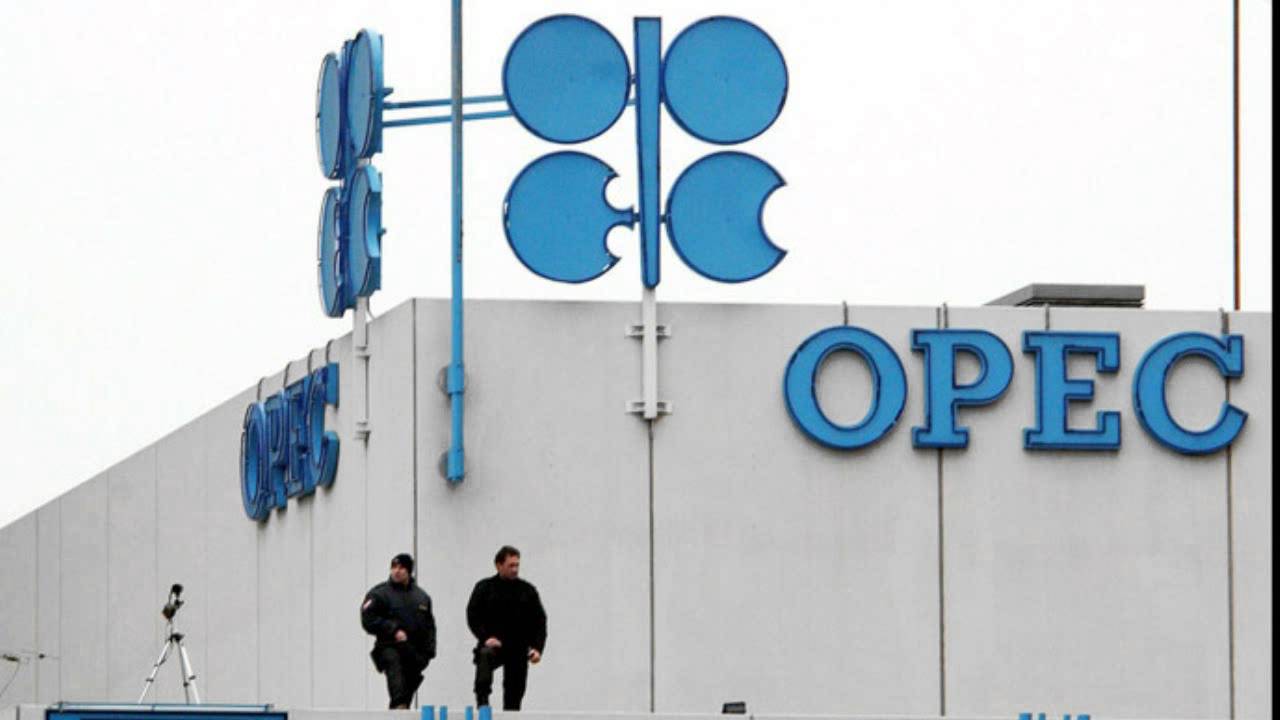
Exempt from the promised production cuts started in January, Nigeria (along with Libya) have been offsetting OPEC’s reduction, adding nearly 100,000 b/d in output from May to June alone, a quarter of OPEC’s total increase, National Daily has gathered.
Though, Nigeria voluntarily agreed to limit its oil output to 1.8 million barrel per day, Nigeria’s production is recovering, keeping oil prices lower than when OPEC first announced its cuts.
Oilfields in Nigeria have been brought back as militant activity has subsided, and there is still some space left to rise. Nigeria though will still have short-term changes in security conditions, and the 2020 production target of 2.5 million b/d is unlikely: it hasn’t been met since 2005. Now, Oil Minister Emmanuel Ibe Kachikwu says that the focus is on “stability and consistency” in the Delta.
For over 20 years, there’s been a Niger Delta insurgency over who controls the oil revenues in Nigeria – exacerbated by elements of struggle between ethnic groups. The main militant group is the Delta Avengers, following the MEND faction in the 1990s and 2000s.
The most common strategy has been the same: attack oil pipelines and production platforms to strike at the heart of the Nigerian economy and central government’s budget.
ALSO SEE: OPEC now relies on Nigeria, Libya to balance oil supply
Thieves can take 33% of the oil that flows along pipelines in the Delta.
Last Monday alone, Nigeria’s crude output dropped 150,000 b/d after militants vandalized the Trans-Niger pipeline in Ogoniland. Combined with maturing basins, attacks have lowered oil output from 1.9 million b/d in 4Q15 to 1.4 million b/d in 1Q17.
Nigeria has nearly 40 billion barrels of proven oil reserves, with a petroleum resource that could be 10-15 times higher, given a lack of exploration that makes Africa such an exciting place for future oil and gas development.
The case of Nigeria is important to why global oil supply could rise by 1.9 million b/d next year if no OPEC deal is struck to lower production beyond March 2018. And with oil demand potentially growing just 1.2 million b/d, ongoing oversupply means sustained downward price pressure, keeping oil oscillating around the $50 per barrel market for three or four years.













-

 Latest5 days ago
Full List: Meet the 2026 Nobel Prize winners across six categories
-

 Football5 days ago
Premier League Matchweek 7: Five Fixtures That Could Shape the Weekend
-

 Latest4 days ago
Umahi defends Lagos-Calabar highway route changes amid public outcry
-
 Business3 days ago
Dangote Refinery IPO: 70% Subscription claim meets fourfold demand assertion as investors seek clarity
-
Business4 days ago
Dangote Refinery IPO Extension: Was the 70% subscription report overhyped?
-

 Latest2 days ago
UCTH faces morgue crisis as 50 unclaimed corpses await mass burial
-

 Featured4 days ago
El-Rufai, ADC governorship candidate’s court appearance puts Kaduna opposition politics in focus
-

 Latest5 days ago
Makinde’s Chief of Staff, Segun Ogunwuyi, resigns