
Business
Nigeria spent $2.34bn on food imports in 2025, CBN data shows

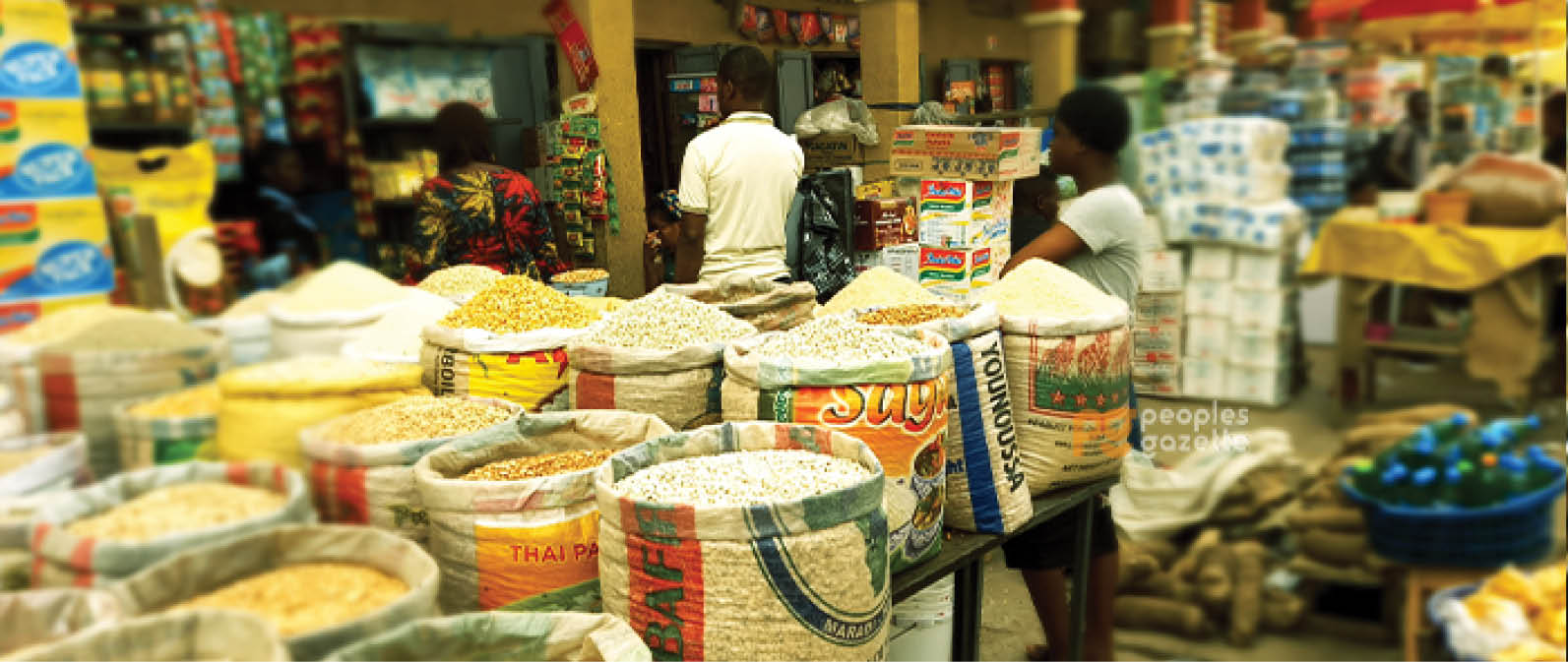
Nigeria spent approximately $2.34 billion on food imports in 2025, according to fresh data released by the Central Bank of Nigeria (CBN), highlighting the country’s continued dependence on imported food despite ongoing efforts to boost local agricultural production.
The figure underscores growing concerns over food security, foreign exchange pressures, and the rising cost of feeding Africa’s most populous nation.
Data from the apex bank indicate that the import bill covered a range of food products brought into the country to meet domestic demand, reflecting persistent supply gaps within Nigeria’s agricultural sector.
The latest development comes amid broader concerns about rising food importation and increasing pressure on Nigeria’s external reserves, even as government agencies continue to promote policies aimed at achieving greater food self-sufficiency.
Economic analysts say the country’s reliance on imported food remains driven by several factors, including insecurity in key farming regions, high production costs, inadequate storage infrastructure, climate-related challenges, and supply chain disruptions affecting local output.
Recent trade statistics have also shown a steady increase in food and beverage imports, despite repeated interventions targeted at strengthening domestic agriculture and reducing dependence on foreign supplies.
Experts warn that sustained growth in food imports could continue to place pressure on the naira and foreign exchange market, particularly at a time when Nigeria is seeking to stabilize its economy and improve local production capacity.
While the federal government has introduced several agricultural financing and food security initiatives in recent years, stakeholders argue that deeper investments in mechanised farming, rural infrastructure, storage facilities, and security are needed to significantly reduce import dependence.
The CBN has consistently emphasized the importance of expanding local agricultural production as part of broader efforts to strengthen Nigeria’s economy, reduce import bills, and improve food availability across the country.
The latest figures are expected to reignite debate over the effectiveness of existing agricultural policies and the pace of progress toward achieving food self-sufficiency in Nigeria.


-
 Latest7 days ago
Israel marks 3 years since October 7 Hamas attack amid Gaza strikes, election debate
-

 Energy7 days ago
Fuel Battle: Dangote, marketers and government clash over petrol imports
-

 Energy1 week ago
Petrol, diesel prices rise 86% in 2026 as costs hit fresh highs
-

 Latest2 days ago
Full List: Meet the 2026 Nobel Prize winners across six categories
-

 Football1 week ago
Nigeria’s World Cup exit under spotlight as FIFA’s DR Congo files emerge
-

 Latest1 week ago
US Court set to rule on release of FBI, DEA records on Tinubu
-

 Business1 week ago
Nigerian investors at a crossroads as fixed-income yields slide
-

 Latest1 week ago
Oyo APC crisis deepens as Oluyole reconciliation meeting ends in brawl