
Business
Nigerians abroad face crisis as Master, Visa cards may be blocked

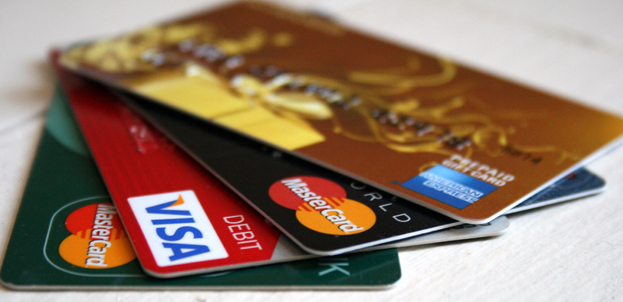
There are indications that Nigerians may no longer be able to carry out international transactions as Egmont Group is considering expelling the Nigeria Financial Intelligence Unit (NFIU).
A major consequence of the expulsion will be the blacklisting of Nigeria in international finance. This could affect the issuance of Mastercard and Visa credit and debit cards by Nigerian banks.
It could also affect the international rating of Nigerian financial institutions, restricting their access to some big-ticket international transactions.
Nigeria will also no longer be able to benefit from financial intelligence shared by the other member countries, including the US and the UK.
Also to be affected is the country’s ability to recover stolen funds abroad.
National Daily gathered that the expulsion is part of the agenda of Egmont’ working group and heads of FIU meeting between March 2 and March 7, in Buenos Aires, Argentina.
The group, comprising 153 countries, mandates its members to establish a financial intelligence unit that serves as a national centre for the receipt and analysis of (1) suspicious transaction reports; and (2) other information relevant to money laundering, associated predicate offences and financing of terrorism, and for the dissemination of the results of that analysis.
Recall that the group suspended Nigeria in July 2017, citing interference of the Economic and Financial Crimes Commission (EFCC) in the workings of the NFIU.
The body had asked Nigeria to amend the law establishing the NFIU to make it autonomous.
It also accused the NFIU of failing to protect “confidential information, specifically related to the status of suspicious transaction report (STR) details and information derived from international exchanges”.
Nigeria’s admittance into the group in 2007 is considered to be one of the biggest achievements of the President Olusegun Obasanjo administration.
The membership ensured the removal of Nigerian banks from the blacklist of international finance.
The blacklisting had prevented the banks from engaging in correspondent banking with foreign institutions and also denied Nigerians access to foreign credit cards.
All advanced countries are members of the group, which is an initiative of the American government.





-

 Business1 week ago
Dangote Refinery IPO: 70% Subscription claim meets fourfold demand assertion as investors seek clarity
-
 Featured4 days ago
Inside INEC’s race to prepare for Nigeria’s 2027 elections
-
Business1 week ago
Dangote Refinery IPO Extension: Was the 70% subscription report overhyped?
-

 Latest6 days ago
UCTH faces morgue crisis as 50 unclaimed corpses await mass burial
-

 Featured4 days ago
2027: APC unveils nationwide campaign timetable, Tinubu to rally in 12 states
-

 Business6 days ago
BREAKING: Nigeria’s Inflation Rate Drops to 14.63% in September
-

 Aviation1 week ago
Germany opens online application route for student, EU Blue Card and other long-stay visas
-
 Business4 days ago
Court dismisses ₦170m Trade Fair contract claim, says Zenith Bank was not a party