
Business
Nigeria’s inflation rate soars in February, hits 21.91% as cash scarcity persists

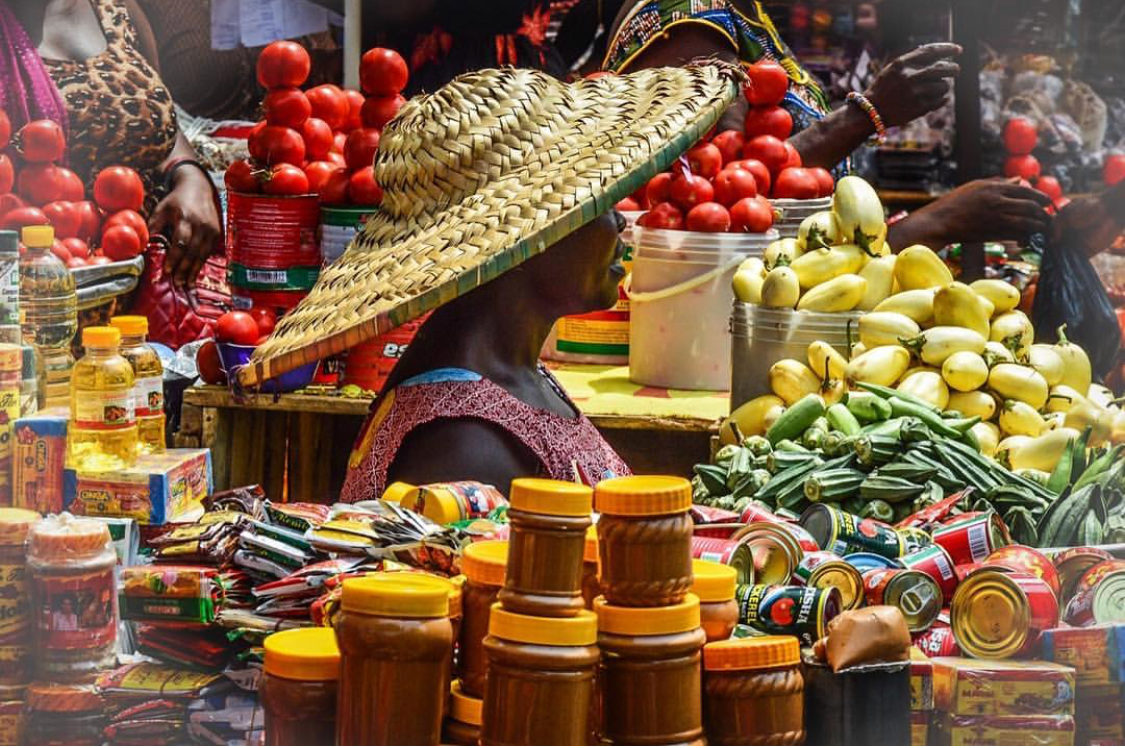
The consumer price index (CPI), which measures the rate of change in prices of goods and services, rose to 21.91 percent in February 2023, up from 21.82 percent in the previous month.
The inflation rate data contains the latest CPI report released on Wednesday by the National Bureau of Statistics (NBS).
The February increase comes across as the second consecutive rise in the country’s inflation figure this year, as Nigerians struggle to access cash for their daily needs — a challenge caused by the naira redesign policy of the Central Bank of Nigeria (CBN).
According to the NBS report, “the February 2023 inflation rate showed an increase of 0.09 percent points when compared to that of January 2023 headline inflation rate”.
“Similarly, on a year-on-year basis, the headline inflation rate was 6.21 percent points higher compared to the rate recorded in February 2022, which was 15.70 percent,” the bureau said.
READ ALSO: Food inflation surges in January amidst Naira scarcity crisis
“This shows that the headline inflation rate (year-on-year basis) increased in February 2023 when compared to the same month in the preceding year (i.e., February 2022).
“On a month-on-month basis, the percentage change in the all-items index in February 2023 was 1.71 per cent, which was 0.16 percent points lower than the rate recorded in January 2023 (1.87 percent).”
This means that in February 2023, on average, the general price level was 0.16 percent lower relative to January 2023.
NBS also explained that the percentage change in the average CPI for the 12 months period ending February 2023 over the average of the CPI for the previous 12 months period was 19.87 percent, showing a 3.15 percent points increase compared to 16.73 percent recorded in February 2022.
According to the bureau, food inflation rate in February 2023 was 24.35 percent on a year-on-year basis — representing a 7.24 percent point increase compared to the 17.11 percent recorded in February 2022.
The statistics body said the rise in food inflation was caused by increases in prices of oil and fat, bread and cereals, potatoes, yam and other tubers, fish, fruits, meat, vegetable, and food products.


-

 Latest7 days ago
Pastor Chris Oyakhilome announces mother’s passing at 88 [VIDEO]
-

 Football5 days ago
How David Beckham made $51.1m from 2026 World Cup, surpassing winners’ prize
-

 Comments and Issues6 days ago
Fani-Kayode on Atiku: Separating claims from the record
-

 Crime1 week ago
Police arrest suspect, launch manhunt for 2 others over Delta Education Director’s death
-

 Latest1 day ago
US Immigration fees rise from October 16 as USCIS announces new charges
-

 Latest1 week ago
How adulterated palm oil, coloured pepper are putting consumers at risk
-

 Crime7 days ago
Deaths in NSCDC Custody: Can Nigeria guarantee the safety of detainees?
-

 Business4 days ago
OpenAI shelves GPT-6.1 astra release over safety concerns